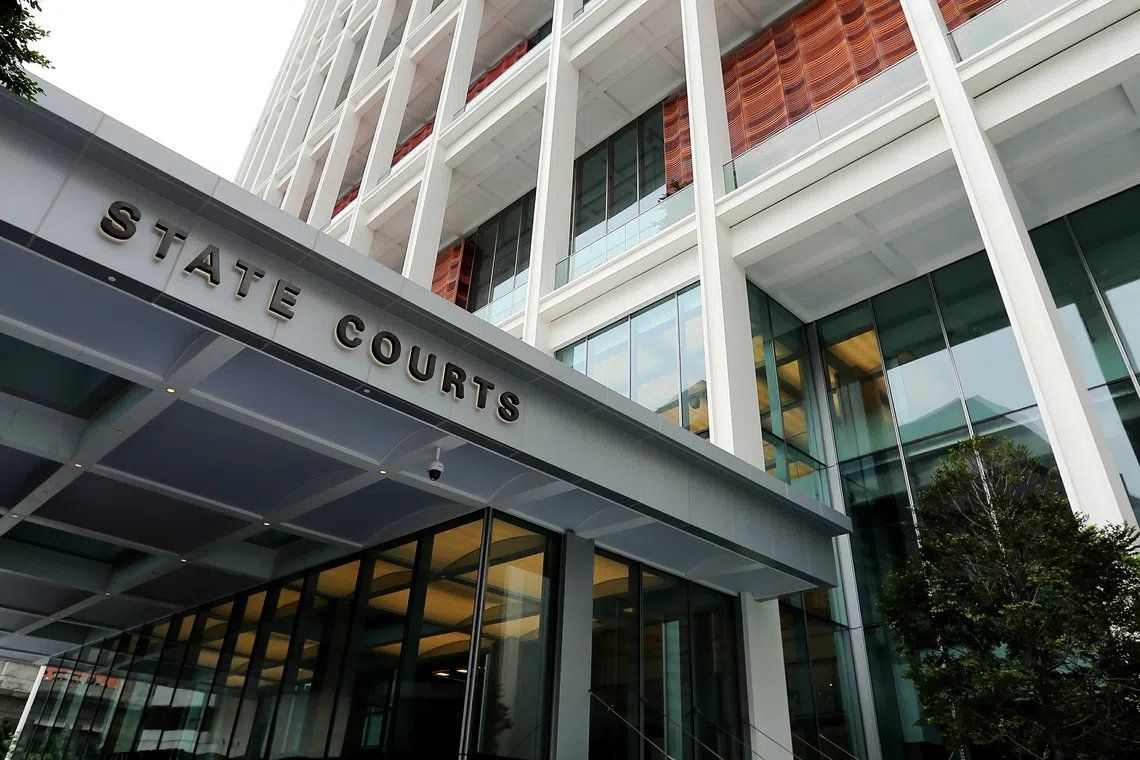
A 30-year-old Singaporean woman has been charged in connection with one of Southeast Asia's more audacious luxury goods fraud schemes, specifically over her handling of S$35,000 in proceeds obtained through deception. Yap Lee Peng Somchai appeared before a district court on Friday, facing allegations related to her directorship of Tradeluxury, one of two front companies involved in what has become a sprawling financial crime that victimised more than 178 customers across Singapore.
The charges against Yap centre on two principal matters: first, that she knowingly dealt with the proceeds of cheating, and second, that she failed to exercise reasonable diligence in her capacity as a company director during the period from March to May 2022. Court documents indicate that on 30 May 2022, Yap transferred S$35,000 from Tradeluxury's bank account to a third party's account, with the funds allegedly originating from Pansuk Siriwipa, the mastermind orchestrating the entire scheme. The allegations also suggest that Yap neglected her supervisory responsibilities over the company's operations during this critical period.
The broader criminal enterprise that ensnared Yap emerged from the activities of Thai national Pansuk Siriwipa and her Singaporean husband Pi Jiapeng, whose actions triggered widespread alarm across Singapore's financial sector when they came to light in 2022. Together, this pair engineered an elaborate confidence scheme centred on the sale of high-end luxury merchandise. In May 2021, they established their first entity, Tradenation, ostensibly to deal in premium luxury watches. The venture quickly generated substantial customer interest and revenue, but within less than a year, Pansuk expanded the operation by launching a second company, Tradeluxury, which marketed itself as a purveyor of exclusive designer handbags.
What began as what appeared to be legitimate e-commerce ventures rapidly deteriorated into a large-scale fraud when both companies encountered serious financial difficulties. Rather than cease operations or transparently communicate their predicament to investors and customers, Pansuk made the calculated decision to continue soliciting orders and payments from an ever-growing customer base, knowing full well that the promised merchandise would never materialise. The funds collected from hopeful purchasers were diverted towards Pansuk and Pi's personal enrichment, funding extravagances that included a S$58,000 private jet excursion involving the couple and their associates, as well as the acquisition of a Chevrolet Corvette registered under Pi's name.
By the conclusion of March 2022, just as the fraudulent scheme was reaching its apex, the combined liabilities of both companies exceeded S$9.3 million in unfulfilled orders, while their legitimate assets amounted to a mere S$350,000 — a gaping chasm that would have been immediately apparent to anyone conducting even cursory financial oversight. Yet Pansuk persisted with her deception. Throughout the four-month period from March through June 2022, Tradenation collected approximately S$24.8 million from customers, whilst Tradeluxury garnered a further S$947,000. Every rupee was accepted under false pretences, with zero intention of honouring the underlying purchase agreements. The combined haul from this final fraudulent push alone exceeded S$25.7 million, all extracted from individuals who believed they were acquiring genuine luxury products.
The scale of victimisation became apparent through the sheer volume of formal complaints lodged with authorities. Over 180 police reports were submitted by 178 distinct victims, providing investigators with a comprehensive picture of how systematically and methodically Pansuk and Pi had operated their confidence game. This figure underscores not merely the financial magnitude of the fraud, but the deliberate targeting of multiple consumers across an extended period, each believing their transaction to be legitimate.
When law enforcement authorities closed in on the perpetrators in July 2022, Pansuk and Pi made a dramatic attempt to flee Singapore. The couple transported themselves in the cargo compartment of a lorry headed towards Malaysia, apparently hoping that crossing the border would provide them sanctuary from prosecution. Their gambit proved futile. Malaysian authorities apprehended them, and they were promptly returned to Singapore in August 2022 to face justice.
The judicial outcomes for the primary conspirators have been severe, reflecting the seriousness with which Singapore's courts treat organised financial fraud of this magnitude. Pansuk, who was 31 at the time of sentencing, received a 14-year custodial sentence handed down in October 2024. Her husband Pi, then 30 years old, received a slightly lighter but still substantial sentence of five years and ten months, delivered the following year. These significant prison terms underscore the gravity of their offences and the courts' determination to impose meaningful punishment for premeditated fraud schemes.
Yap's prosecution represents the next phase in this unfolding legal drama, as authorities work through charges against those who facilitated or enabled the fraud through their corporate roles. Her case is scheduled for further mention in court on 18 September, with proceedings likely to explore the extent of her knowledge, complicity, and supervisory failures during her tenure as director. For Malaysian and regional observers, the case serves as a cautionary tale about the risks posed by cross-border financial fraud schemes and the importance of robust director accountability standards in corporate governance, particularly when companies operate across multiple jurisdictions and attract customer investments.

