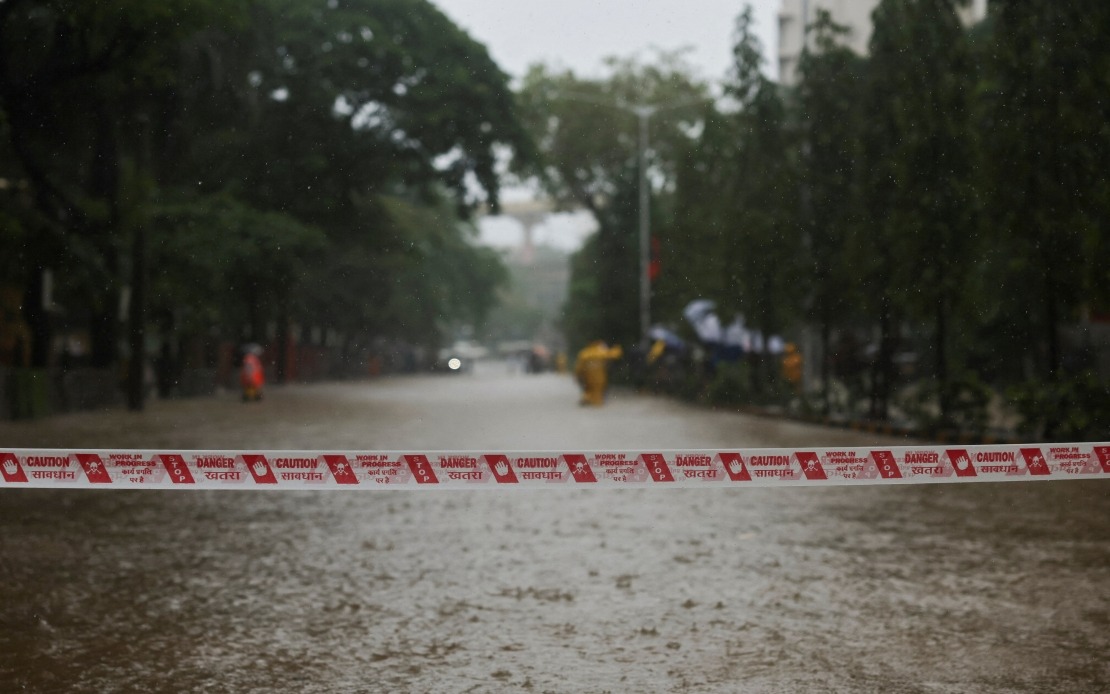
A devastating building collapse in India's financial hub Mumbai claimed six lives and left another person injured when torrential monsoon rains battered the city on Sunday. The incident, which unfolded in the Mankhurd area, has reignited concerns about construction safety and regulatory oversight in one of Asia's most densely populated urban centers. Maharashtra BJP leader and State Minister Girish Mahajan confirmed the tragedy to reporters, emphasizing that a thorough investigation would be mounted to establish how the structure was initially constructed and maintained.
The monsoon season, which typically engulfs India from June through September, has long posed infrastructure challenges across the subcontinent. Mumbai, situated on the Arabian Sea coast, faces particular vulnerability to the intense precipitation and gusty winds that accompany the southwestern monsoon winds. The accumulated rainfall can stress aging or poorly constructed buildings, particularly in densely populated residential zones where construction standards may not be uniformly enforced. The Mankhurd area, located in eastern Mumbai, has witnessed significant population growth over recent decades, with older tenement structures standing alongside newer developments.
Beyond the immediate tragedy in Mankhurd, the severe weather disrupted transportation networks across the city. Officials reported that Mumbai's Chhatrapati Shivaji Maharaj International Airport experienced temporary flight operations disruptions as wind gusts and heavy precipitation exceeded safe operating parameters. Such interruptions underscore how monsoon intensity affects multiple sectors of urban life, from residential safety to commerce and travel.
The implications of this collapse extend throughout the broader Mumbai metropolitan region, where building regulations and enforcement mechanisms face persistent scrutiny. Engineers and urban planners have long flagged the risks posed by structures that predate modern safety codes or have deteriorated without adequate maintenance. The promise of an investigation into construction methods suggests authorities recognize the need to examine whether standards were compromised during the original building phase or subsequently neglected.
In immediate response to the meteorological threat, authorities across Maharashtra implemented precautionary measures to shield vulnerable populations. Educational institutions throughout the affected region were ordered to close, prioritizing student safety during the period of intense rainfall. Such decisions reflect the gravity with which local government treats monsoon-related hazards, recognizing that crowded schools and transit systems amplify vulnerability during severe weather events.
For Malaysia and other Southeast Asian nations experiencing similar tropical monsoon patterns, the Mumbai incident offers a sobering reminder of infrastructure resilience challenges. Like Mumbai, Malaysian cities including Kuala Lumpur and Penang confront seasonal heavy rainfall that tests building codes and drainage systems. The collapse underscores the importance of regular structural audits, particularly for residential buildings constructed decades ago when safety standards were less stringent than contemporary requirements.
The investigation promised by State Minister Mahajan will likely examine multiple factors: the original architectural design, quality of materials used, maintenance history, and compliance with relevant Building Codes at the time of construction. Mankhurd's rapid urbanization may have contributed to mixed standards, as informal settlements and older residential structures coexist with newer commercial development. Determining which of these factors precipitated the collapse will inform policy discussions about preventive retrofitting programs and stricter enforcement mechanisms.
Mumbai's experience also highlights the cascading effects of weather-related disasters on urban economies. Beyond the immediate human tragedy and the airport disruptions, business continuity suffers when office workers remain home during monsoon closures, and supply chains experience delays. Insurance claims and reconstruction efforts strain municipal budgets that might otherwise fund preventive infrastructure upgrades. The economic ripple effects often impact small businesses and informal sector workers more severely than larger corporate entities.
Looking forward, the incident will likely accelerate discussions within Maharashtra's administration about mandatory structural assessments for older buildings in high-density areas. Some Indian cities have implemented schemes requiring property owners to conduct regular third-party inspections, with financial incentives for timely repairs or penalties for neglect. Mumbai may consider expanding such programs given the density of its residential stock and the concentration of population in areas where building ages vary significantly.
For regional policymakers, the Mumbai collapse reinforces that infrastructure safety cannot be treated as a static achievement but requires continuous vigilance. Southeast Asian nations facing similar monsoon challenges should consider whether their building inspection regimes, maintenance standards, and enforcement mechanisms provide adequate protection. The tragedy demonstrates that even in prosperous metropolitan areas with substantial municipal resources, lapses in oversight can prove fatal. Coordinating weather-preparedness initiatives with structural integrity programs offers the most comprehensive approach to reducing monsoon-related casualties across the region.

