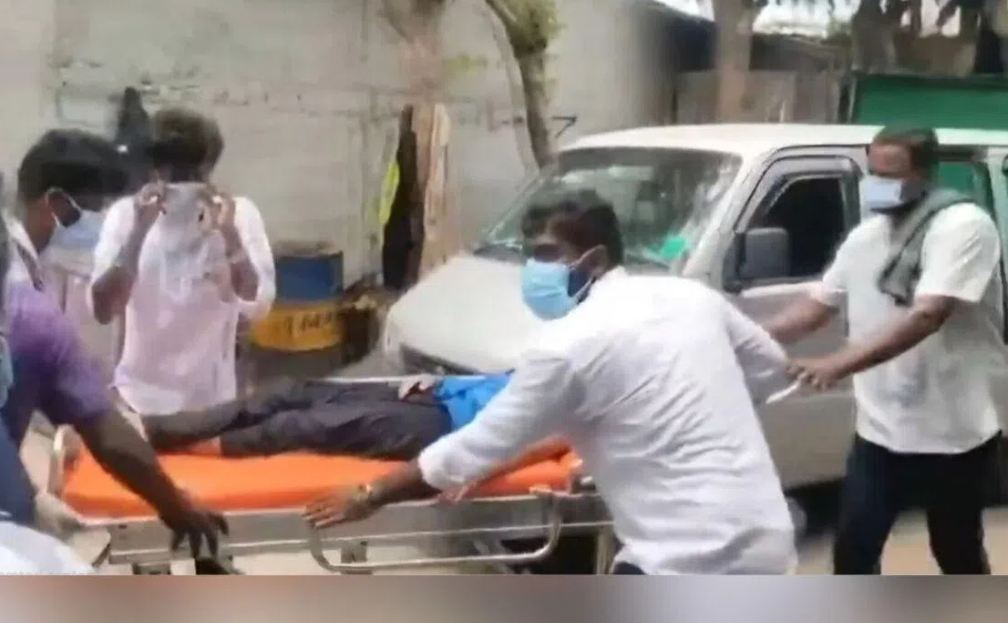
A catastrophic ammonia gas leak at a seafood processing facility near Periyapalayam village in Tamil Nadu's Thiruvallur district claimed the lives of at least six workers on Sunday, with dozens of others requiring emergency hospitalisation. The incident unfolded at a seafood export processing unit where approximately 120 migrant workers—predominantly women from Assam, Odisha and Jharkhand—were present when the suspected leak was detected and rapidly engulfed the workplace.
The exact source of the ammonia discharge remains under investigation, though authorities have initially traced it to either the unit's refrigeration system or its processing infrastructure. The chemical spread swiftly through multiple sections of the facility, exposing workers in various parts of the plant to dangerously high concentrations of the toxic gas. Ammonia is routinely used in industrial refrigeration systems and poses severe health risks even at low concentrations, making rapid dispersal particularly perilous in confined or poorly ventilated spaces.
The physiological effects on exposed workers were severe and varied. Those caught in the gas cloud experienced acute respiratory distress, vertigo, and intense mucous membrane irritation. Medical reports documented particularly alarming symptoms including nasal and oral bleeding among some victims, underscoring the intensity and concentration of the ammonia exposure. Such haemorrhaging typically indicates severe chemical burns to the respiratory tract and elevated systemic toxicity requiring immediate intensive medical intervention.
As the toxic cloud spread through the workplace, panic ensued among the workforce. Many workers fled desperately toward exits in search of fresh air, while others collapsed before reaching safety. The chaotic evacuation reflected both the unexpected nature of the emergency and the potential absence of coordinated emergency protocols or worker training for such industrial hazards. First responders faced the additional challenge of locating and extracting workers from multiple areas within the facility while managing the ongoing gas dispersal.
Emergency services mobilised swiftly following distress calls. Police personnel, fire brigades and local administrative authorities converged on the site to initiate rescue operations and establish a medical triage system. Critically affected workers were transported to nearby hospitals where many remain in serious condition, requiring ventilatory support and ongoing toxicological management. The mass casualty event strained local healthcare resources and highlighted the broader vulnerability of migrant worker populations to industrial disasters.
Tamil Nadu Chief Minister C. Joseph Vijay responded immediately by directing state officials to ensure comprehensive medical care for all affected workers and their families. Recognising the severity of the incident, he established a three-member investigative committee tasked with determining the precise circumstances and systemic failures that precipitated the leak. This formal inquiry was mandated to conduct an exhaustive inspection of the facility and submit detailed findings within 24 hours—an accelerated timeline reflecting the political sensitivity of the event.
The investigation will examine multiple dimensions of operational safety at the facility. Inspectors will scrutinise whether proper maintenance schedules were observed for refrigeration equipment, analyse the adequacy of safety protocols and emergency response procedures, and determine whether the facility complied with national industrial safety regulations and labour laws. Particular attention will focus on whether adequate safety training and personal protective equipment were provided to the predominantly migrant workforce, who often have limited bargaining power regarding workplace safety standards.
Law enforcement authorities have initiated formal case registration, and a broader police investigation is underway to establish criminal liability. Preliminary assessments are examining whether administrative violations of the Occupational Safety, Health and Working Conditions Code contributed to enabling this disaster. The incident raises critical questions about oversight mechanisms for hazardous industrial facilities and the adequacy of inspections in export-oriented processing units, particularly those employing vulnerable migrant labour.
This tragedy reflects recurring vulnerabilities in India's seafood export sector, where cost pressures often translate into deferred maintenance and compromised safety investments. The predominance of migrant workers at such facilities—drawn from distant states by modest wage differentials—creates structural imbalances in workplace safety advocacy and enforcement. The incident will likely prompt broader scrutiny of refrigeration safety standards across India's food processing industry and whether current regulatory frameworks adequately protect workers in export-focused operations.
For Malaysian readers, this incident underscores the occupational hazards facing migrant workers across South Asia and the transnational dimensions of food production supply chains. Many Malaysian seafood and food processing operations employ similar technologies and workforce demographics, making the investigation's findings and subsequent regulatory responses potentially instructive for domestic safety improvements. The disaster illustrates how industrial accidents at one node of regional supply networks can expose systemic safety gaps affecting countless workers and companies across the region.

