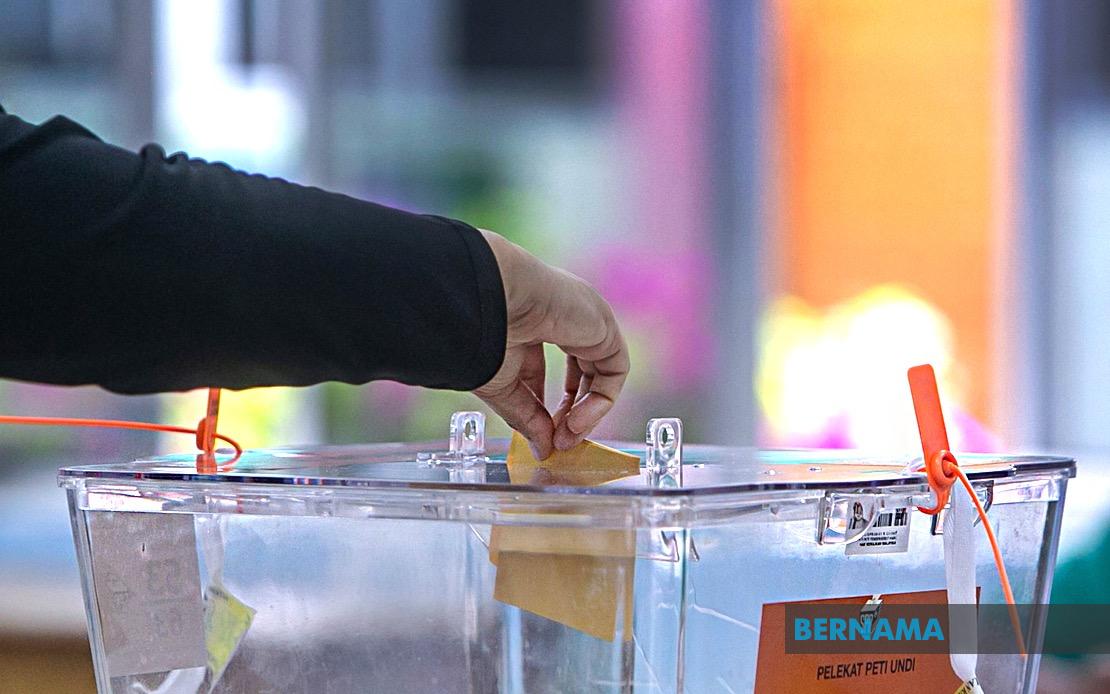
The Ministry of Youth and Sports has issued a directive requiring all Youth and Sports Skills Training Institutions to give serious consideration to applications for special leave from students who wish to exercise their voting rights during elections. The policy applies to students eligible to vote in general elections, state elections, and by-elections. The move represents an effort by the government to ensure that participation in skills development programmes does not prevent young Malaysians from fulfilling their civic responsibilities at the ballot box.
The directive, formally communicated through the Youth Skills Development Division, recognises the fundamental tension that can arise when mandatory training schedules coincide with electoral periods. By establishing a formal mechanism for handling leave applications, the ministry acknowledges that voting constitutes an essential democratic duty that warrants accommodation within institutional schedules. This approach strikes a balance between maintaining programme integrity and respecting students' constitutional rights as citizens.
The application process has been designed with practical considerations in mind. Students seeking special leave must submit their requests to their respective institution's management, with approval decisions based on several factors including the distance between the training centre and the polling location, reasonable travel time calculations, and the flexibility available within each institution's training and learning calendar. This framework ensures decisions are made contextually rather than through blanket approval or denial policies.
Institution directors retain final approval authority over all leave applications, allowing each ILKBS to tailor decisions to its specific operational circumstances and student demographics. This decentralised approach recognises that different training institutions operate under varying conditions and may serve students from geographically diverse backgrounds. Centrally dictated leave policies could prove impractical for institutions managing students from multiple states or regions, particularly during closely contested electoral periods when travel logistics become complex.
The ministry has emphasised that maintaining systematic attendance records remains a priority for these institutions. While granting special leave for voting purposes, ILKBS management must ensure that the overall impact on programme delivery and student learning outcomes remains manageable. The balance sought here reflects broader educational philosophy that recognises both the importance of completing skills training and the significance of political participation in a democratic society.
Student welfare and safety considerations feature prominently in the directive. The ministry recognises that facilitating voting access involves not merely permitting absence but also ensuring safe travel arrangements and preventing undue stress on students managing both electoral participation and demanding technical training schedules. Institutions are expected to coordinate with students to ensure leave arrangements do not compromise their wellbeing or create logistical nightmares.
Early notification emerges as a critical procedural requirement under this policy. The ministry has explicitly instructed all ILKBS to inform eligible student voters well in advance of upcoming elections, allowing sufficient lead time for leave applications to be processed and travel plans to be arranged systematically. This proactive approach minimises last-minute chaos and demonstrates institutional commitment to supporting the voting process rather than merely tolerating it reluctantly.
The policy carries particular significance for Malaysia's younger generation, particularly those aged 18 to 21 who are pursuing skills-based vocational training while exercising voting rights for potentially the first time. First-time voters often require additional time and support to navigate electoral procedures, making the removal of institutional barriers especially important for ensuring their meaningful participation in democratic processes.
Beyond its immediate operational implications, this directive sends a symbolic message about the government's stance on youth political engagement. By institutionalising support for student voters rather than treating voting as an inconvenience to be minimised, the ministry signals that democratic participation represents a value worthy of institutional accommodation. This positioning matters in an era when youth engagement with political processes requires active encouragement rather than passive permission.
The implementation of this policy across Malaysia's network of skills training institutions will likely influence how other government and private sector training providers approach similar situations. If ILKBS students experience straightforward processes for obtaining voting leave, broader expectations may develop that vocational and technical training institutions should similarly accommodate electoral participation. This could gradually establish new norms around balancing institutional programme requirements with civic obligations.
For Southeast Asian context, Malaysia's approach reflects growing recognition across the region that democratic systems require active participation from younger citizens. Countries throughout Southeast Asia are exploring mechanisms to reduce barriers to youth voting, and institutional leave policies represent one practical avenue for achieving this objective. Malaysia's experience may provide a useful model for other nations wrestling with similar challenges.
The success of this policy ultimately depends on how thoroughly ILKBS implement the directive and how receptive institution directors prove in approving leave applications. Clear communication from KBS, comprehensive guidance on assessment criteria, and regular monitoring of implementation will be essential to ensuring the policy functions as intended rather than becoming bureaucratic in practice. The ministry's emphasis on advance notification and systematic coordination suggests institutional commitment to supporting rather than obstructing student voting participation.

