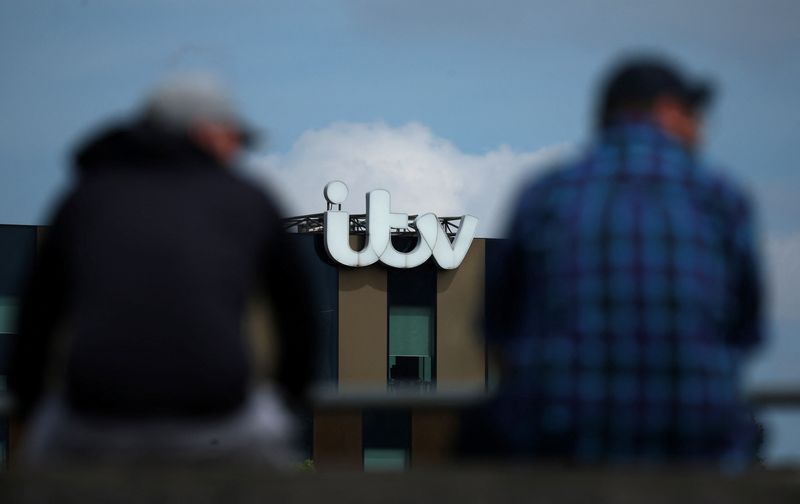
Comcast's Sky has moved to acquire the broadcast channels and streaming operations of Britain's ITV in a transaction valued at £1.6 billion, fundamentally reshaping the country's television landscape. The purchase, formally unveiled on Monday, represents one of the most consequential consolidations in British broadcasting history and signals a decisive strategic pivot by traditional media operators facing sustained pressure from international streaming platforms. Sky's chief executive Dana Strong characterized the agreement as a watershed moment, highlighting the imperative for domestic broadcasters to achieve greater scale and financial resilience in an industry undergoing profound transformation.
The rationale underpinning this merger reflects broader currents sweeping through global media. The rise of YouTube, Netflix, Amazon Prime Video, and Disney+ has systematically eroded the commercial foundations that sustained traditional broadcasters for decades. Legacy television companies, which once dominated their home markets through near-monopolistic control of premium content distribution, now compete for viewers and advertising revenue against platforms with vastly superior financial resources and technological capabilities. For Sky and ITV, combination offers a pathway to pool resources, reduce operational redundancies, and construct a unified platform capable of competing credibly for both advertising spend and audience attention across linear and streaming channels.
The merged entity will command remarkable market concentration, controlling more than 70 per cent of the United Kingdom's television advertising market when accounting for existing third-party contracts that Sky manages, including arrangements for Channel 5. This dominance presents the most formidable regulatory obstacle to deal completion. Authorities tasked with protecting competitive markets and ensuring media plurality will scrutinize whether such concentrated control serves the public interest, particularly given broadcasting's foundational role in democratic discourse. To assuage regulator concerns, Sky may be compelled to divest certain advertising sales contracts, a concession that could materially affect deal economics and strategic benefits.
Culture Secretary Lisa Nandy's recent public statements suggesting receptiveness to media consolidation transactions have altered the political environment surrounding deal approval. Her indication that she might intervene in the proposed Paramount-Warner Bros. combination demonstrates an appetite to shape media outcomes aligned with growth objectives. This stance contrasts with traditional regulatory conservatism and suggests the government prioritizes consolidation that strengthens domestic champions against foreign competitors. Nevertheless, regulatory bodies retain substantial independence, and formal approval remains uncertain despite signals of political tolerance.
The combined Sky-ITV enterprise will reach over 20 million households across the United Kingdom, positioning it as a formidable integrated broadcaster spanning free-to-air commercial television, subscription pay television, and streaming services. The group has committed to investment of at least £2.1 billion during the 2028 to 2032 period, underscoring management's confidence in the combined entity's strategic direction. This commitment addresses longstanding concerns about underinvestment in British content production and the risk that consolidated broadcasters prioritize shareholder returns over programming quality.
ITV's shareholders will receive £1.2 billion in immediate cash payment, with an additional earn-out arrangement potentially delivering up to £200 million contingent upon advertising performance during the 2027 financial year. Additionally, ITV will retain ownership of Love Productions, the production company behind "The Great British Bake Off," which will consolidate within the remaining ITV Studios business. This arrangement reflects recognition that ITV's production assets constitute distinct value, separate from its broadcast distribution function. The company has endured a prolonged period of financial underperformance, with equity valuations declining 36 per cent over the preceding five years as the advertising market contracted and audiences migrated toward streaming alternatives.
Under the proposed structure, ITV will metamorphose into a standalone production company, manufacturing programming for the combined ITV-Sky platform alongside external commissions from rival broadcasters and streamers globally. This vertical separation mirrors industry patterns emerging elsewhere, where production and distribution functions separate to optimize efficiency and reduce conflicts of interest. ITV's existing portfolio demonstrates proven capacity to generate internationally competitive content, with recent commissions including "Rivals" for Disney and "The Reluctant Traveller" for Apple TV, establishing credibility beyond domestic boundaries.
Sky's corporate lineage traces to its founding by Rupert Murdoch in 1989, when satellite television represented cutting-edge distribution technology. Murdoch's son James held influential positions within Sky management for many years, embedding the company within the broader Murdoch media ecosystem. However, Comcast's acquisition of Sky in 2018 severed these family connections and repositioned the company within American corporate stewardship. Comcast itself has undergone strategic recalibration, announcing plans in June to separate its media portfolio, including NBCUniversal and Sky, from its cable operations, reflecting management's assessment that media assets merit standalone status given distinct investment characteristics.
For Malaysian and Southeast Asian observers, this transaction illustrates the inexorable consolidation pressuring traditional broadcasters globally. Regional television operators, including those in Malaysia, Thailand, and Indonesia, face comparable pressures as streaming platforms expand footprint and audiences fragment across digital channels. The successful completion of the Sky-ITV merger would validate consolidation as a viable survival strategy for incumbents, potentially catalyzing comparable transactions across Asia-Pacific. Conversely, regulatory rejection would demonstrate that antitrust authorities maintain capacity to resist concentration, even when technological disruption creates economic hardship for incumbent firms.
The transaction will inevitably attract intense scrutiny from Parliament, regulators, and media commentators concerned about media concentration, editorial independence, and content diversity. Strong's assurance that "ITV will remain a public service broadcaster at the heart of British life" attempts to address plurality concerns, but implementation mechanisms and enforcement remain undefined. The merged company's obligations to produce distinctly British programming and serve underserved audiences will require ongoing monitoring and potential regulatory intervention.
Beyond regulatory approval, the transaction's success depends upon management's ability to integrate divergent corporate cultures and operational systems. Sky's subscription model contrasts sharply with ITV's advertising dependence, requiring sophisticated product development to leverage complementary strengths. Content acquisition strategies, technology platforms, and customer engagement approaches differ substantially, necessitating complex reconciliation. Execution risk remains material despite apparent strategic logic.
The deal represents a defensive response to structural industry transformation rather than a growth initiative grounded in expanding addressable markets. Traditional television audiences, particularly younger demographics aged 16 to 24, continue shifting toward streaming and YouTube. No consolidation transaction can reverse this secular trend, though merger proponents argue that integrated platforms can capture greater share of fragmenting attention and advertising budgets. Success ultimately depends upon management's capacity to establish compelling differentiated offerings and invest sufficiently in original content capable of competing against Netflix, Amazon, and Disney.

