Parliament has received the Social Work Profession Bill 2026, representing a watershed moment for Malaysia's social work sector after years of determined advocacy by the Malaysian Association of Social Workers (MASW) and allied practitioners. The legislative initiative, introduced on July 13, seeks to establish formal professional recognition for the thousands of social workers operating across government agencies and civil society organisations throughout the country. The milestone reflects growing acknowledgment that social workers constitute an essential component of Malaysia's human services infrastructure and deserve statutory protection and regulatory oversight comparable to other regulated professions.
The legislation emerges from collaborative efforts that commenced in 2010, involving representatives from MASW, academic institutions offering social work curricula, and practitioners spanning both public sector ministries and non-governmental organisations. This extended development process ensured the bill would address the practical realities facing social workers while accommodating the diverse needs of Malaysian communities. Technical committees and specialist project teams worked systematically to incorporate professional standards, ethical frameworks, and competency requirements that reflect contemporary social work practice and the specific contexts within which Malaysian professionals operate.
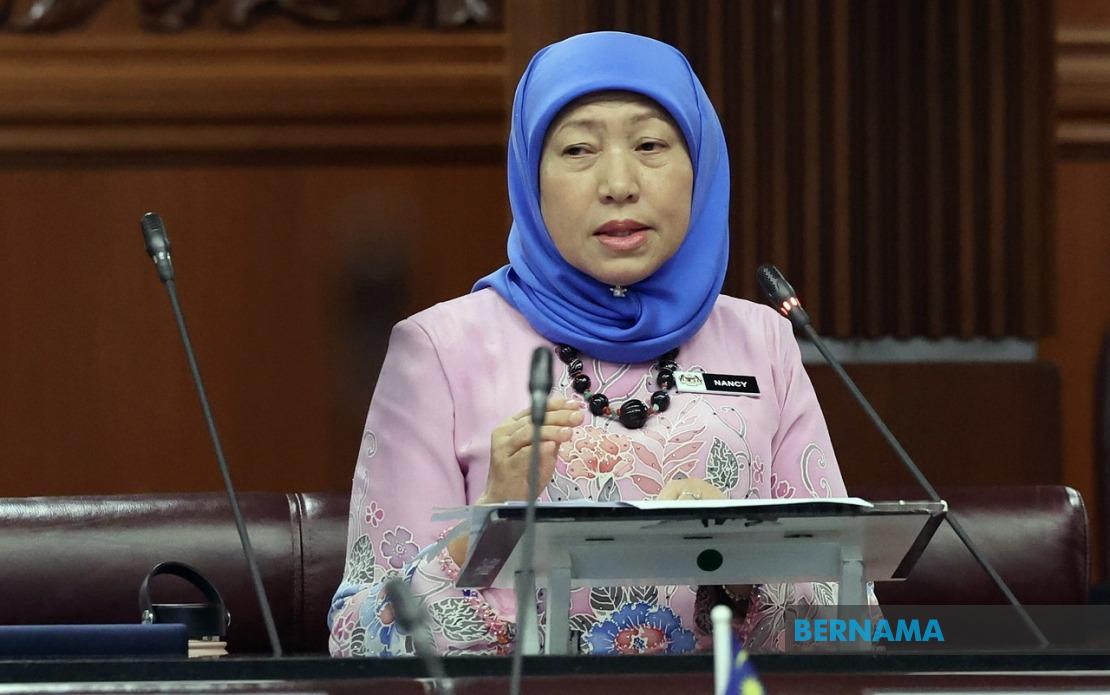
Women, Family and Community Development Minister Datuk Seri Nancy Shukri has been acknowledged as instrumental in driving the legislation forward, lending ministerial authority and resources to translate years of groundwork into parliamentary action. MASW's formal statement expressed gratitude for her ministry's sustained commitment, underscoring how legislative advancement depends upon political champions willing to prioritise social sector reforms amid competing budgetary and parliamentary pressures. The ministerial backing signals government recognition that professionalizing the social work workforce aligns with broader objectives of strengthening Malaysia's social safety net and improving outcomes for vulnerable populations.
Dr Teoh Ai Hua, MASW president, articulated the bill's fundamental significance by positioning professional regulation as essential to safeguarding the protection, wellbeing and dignity of Malaysians. His framing emphasises that formal recognition transcends mere professional prestige; rather, it establishes accountability mechanisms and competency standards that directly benefit service users. When social workers operate within a regulated framework supported by legislation, clients can reasonably expect practitioners to maintain ethical standards, possess verified qualifications, and submit to disciplinary processes should misconduct occur. This protective dimension proves particularly important given that social workers frequently engage with marginalised populations—children in crisis, domestic violence survivors, elderly individuals, and economically disadvantaged families—who warrant assurance of professional standards.
Alignement with international frameworks constitutes another significant dimension of the bill's scope. MASW highlighted the Ha Noi Declaration on Strengthening Social Work towards a Cohesive and Responsive ASEAN Community adopted in 2020, which reflects regional consensus around professionalizing social work across Southeast Asia. Additionally, the Global Standards for Social Work Education and Training established jointly by the International Association of Schools of Social Work and the International Federation of Social Workers provide internationally recognised benchmarks for curriculum design, practitioner competencies, and ethical conduct. By anchoring Malaysian legislation within these frameworks, the bill positions local professionals within a transnational community of practice and facilitates credential recognition should Malaysian social workers pursue opportunities elsewhere in the region or internationally.
Vice-president Dr Mohd Iqbal Haqim Mohd Nor characterised the bill's tabling as transforming extended advocacy campaigns into concrete institutional change, describing it as bringing tangible hope to a profession long operating without statutory recognition. This observation captures the emotional and professional dimensions of legislative recognition—for practitioners who have invested careers in challenging work often conducted with insufficient resourcing and public appreciation, formal professional status validates their expertise and contributes to workplace morale and sector retention. Establishing a regulated profession with defined entry requirements, continuing professional development obligations, and ethical codes enhances the attractiveness of social work careers to prospective practitioners, potentially addressing workforce shortages affecting service delivery.
AMY Bala, MASW honorary secretary, issued a strategic call for parliamentary engagement extending beyond mere passage of the legislation. Her appeal to Members of Parliament to conduct constructive deliberations reflects recognition that bills undergo refinement during parliamentary scrutiny, and that amendments proposed during debate might strengthen provisions relating to regulatory bodies, disciplinary procedures, scope of practice, or professional development requirements. This approach positions the social work profession as collaborative stakeholders in law-making rather than passive recipients of legislative decisions, a posture likely to produce more robust and implementable legislation responsive to practitioner insights.
Bala's parallel emphasis on stakeholder mobilisation for effective implementation acknowledges that legislation alone proves insufficient without supporting infrastructure, adequate funding allocations, and transparent governance of regulatory bodies. Implementation challenges commonly afflict newly regulated professions, particularly where institutional mechanisms for enforcement remain underdeveloped or where financial resources prove inadequate for establishing registration systems, conducting competency assessments, or managing professional discipline. The social work sector in Malaysia must prepare for active engagement throughout the post-legislative phase, coordinating with government agencies responsible for implementation and advocating for resource allocations commensurate with regulatory responsibilities.
For Malaysian society more broadly, this legislative development carries implications extending beyond professional status. A formally regulated, competency-assured social work workforce potentially enhances service quality and consistency across diverse agencies and programmes serving vulnerable populations. Child protection systems, family counselling services, elder care initiatives, disability support programmes, and poverty alleviation efforts all depend fundamentally on skilled social work practice. By establishing professional standards and regulatory oversight, the legislation creates mechanisms for continuous quality improvement and accountability that may ultimately translate into improved outcomes for service users, stronger community resilience, and more effective social protection.
The bill also addresses a longstanding gap in Malaysia's professional regulatory landscape. Professions including medicine, law, engineering, and accountancy have long operated within statutory frameworks established through professional bodies with legislative authority. Social work's absence from this regulatory framework represented an anomaly inconsistent with the profession's educational requirements, ethical complexity, and impact on human welfare. The 2026 bill corrects this historical oversight and reflects maturing recognition of social work's essential role within modern welfare systems and professional hierarchies.
The pathway toward legislative passage now requires parliamentary deliberation and approval. The legislative process provides opportunity for broader public discourse regarding social work's role within Malaysian society, professional expectations for practitioners, and resource commitments necessary for effective implementation. Successfully navigating this phase depends upon sustained advocacy from MASW, continued ministerial support, and parliamentary receptiveness to arguments regarding social protection's importance for national development and social cohesion.

