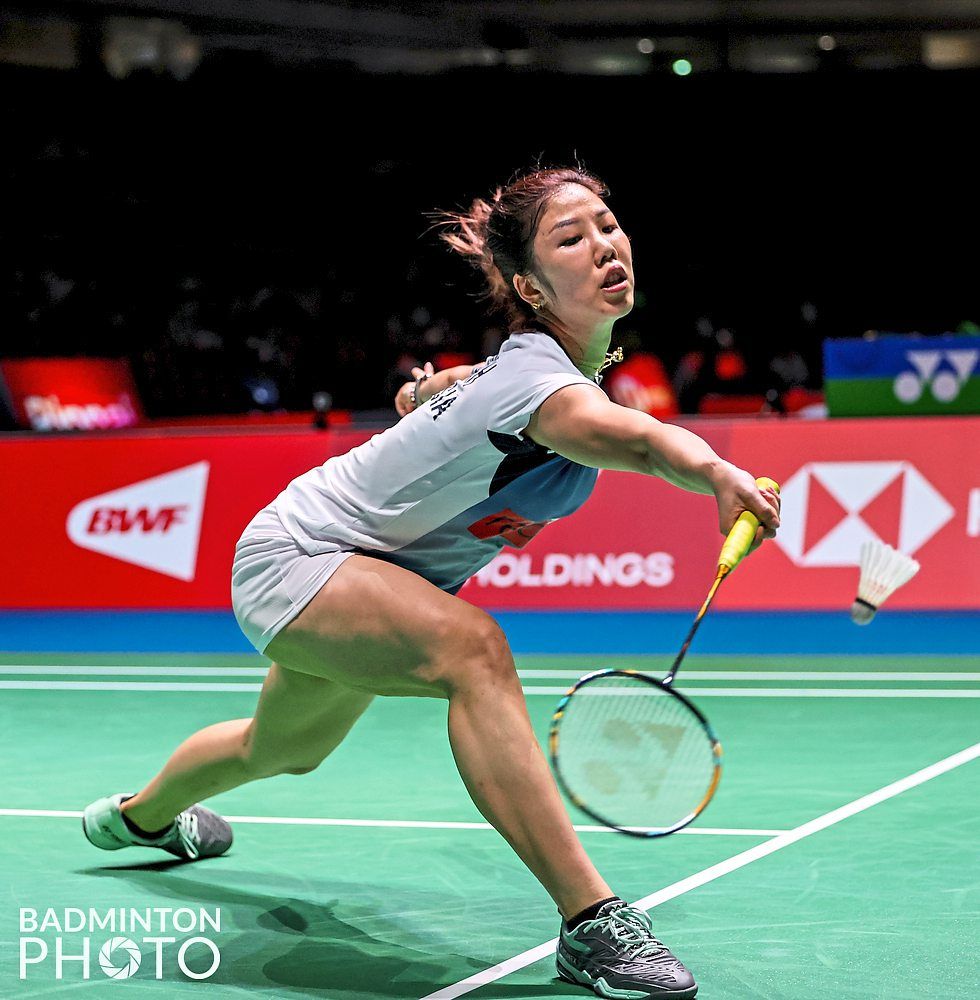
Soniia Cheah, a decorated former national women's singles shuttler, has departed her role as sports director of the Kuala Lumpur Badminton Association (KLBA) after a brief four-month stint, stepping down effective immediately on Wednesday. The 33-year-old's departure marks an unexpected conclusion to what was intended to be a year-long appointment beginning in February, raising questions about the early termination and its implications for the association's governance and developmental direction.
While Cheah refrained from providing extensive detail about the circumstances surrounding her exit, she acknowledged that the choice represented a carefully weighed decision that did not come lightly. In statements to media, she emphasized that her departure was driven by fundamental disagreements over operational practices within the organization rather than by conflict with any particular individual. This distinction proved significant, as it suggested systemic concerns rather than interpersonal friction as the underlying cause of her resignation.
The former shuttler articulated her position with measured language, explaining that she had become unable to reconcile certain institutional practices with the ethical standards she maintains as a former national-level competitor. She stated: "My decision to step down as KLBA sports director was made after careful consideration. There were certain matters within the association that, in my view, were not aligned with my principles as an ex-national player." This framing positioned her departure as a matter of personal integrity rather than professional incompatibility.
Cheah elaborated further on the tension that prompted her action, noting that continuing in the position would have required compromising the principles she holds dear. As someone with a lifelong commitment to badminton and its development, she felt that maintaining her resignation was preferable to remaining in a role where she could not fully execute her vision for player development and organizational conduct. She emphasized: "As someone who is passionate about the sport, I felt it would be difficult for me to continue in the role while compromising on those principles."
Remarkably, Cheah was careful to frame her resignation not as an attack on KLBA leadership but rather as a personal stance on issues requiring institutional attention. By describing the decision as non-directed at any individual, she sought to avoid creating deeper divisions within an already-disrupted organization. Her hope, as expressed to media contacts, is that her departure might serve as a catalyst for the association to undertake a comprehensive review of its internal practices and protocols, ultimately refocusing organizational energy on serving young players effectively.
Despite the brevity of her tenure, Cheah maintained professional affection for the athlete cohort she supervised during her time at KLBA. She expressed sincere gratitude toward the players with whom she collaborated, recognizing their dedication and talent. Her final engagement with the Kuala Lumpur squad involved overseeing participants at the Affin 100Plus Junior Elite Tour Finals held last week at Stadium Juara in Bukit Kiara, where she would have observed firsthand the competitive environment and training standards of the association's emerging talent pool.
Cheah's appointment in February had represented a significant milestone for the association, bringing to an internal administrative role someone with extraordinary competitive pedigree and national representation experience. At the height of her playing career, she had achieved Malaysia's top ranking in women's singles badminton and carried the national colours at the Tokyo Olympics, representing the sport's highest echelon of professional accomplishment in the Malaysian context.
Her playing career concluded in 2022 following years of struggle with a recurring Achilles tendon injury that ultimately proved incompatible with elite-level athletic competition. This prolonged physical challenge would have given her deep insight into player welfare, injury management, and the psychological demands of badminton at the highest levels—knowledge that would theoretically have proven invaluable in a sports director capacity overseeing junior development programs.
The resignation occurs amid a broader period of transition within Malaysian badminton administration, where discussions about governance standards, player development pathways, and institutional accountability have gained prominence. Cheah's decision to depart on principle-based grounds adds to these ongoing conversations, suggesting that some within the sport's administrative structures harbor concerns about operational practices that warrant public and organizational attention.
For Malaysian badminton stakeholders, the development signals potential instability within KLBA's management structure and raises questions about what specific institutional matters prompted such an experienced former athlete to walk away from a formal leadership position. The association will now need to identify a replacement capable of steering junior programs while presumably addressing the underlying concerns that precipitated Cheah's departure.
The incident also serves as a reminder of the critical role that former athletes can play in administrative positions, bringing credibility and sport-specific understanding to governance roles. When such individuals feel compelled to resign citing principle-based concerns, it often reflects deeper structural issues requiring organizational scrutiny and remedial action to restore stakeholder confidence and ensure the sport's continued development.

