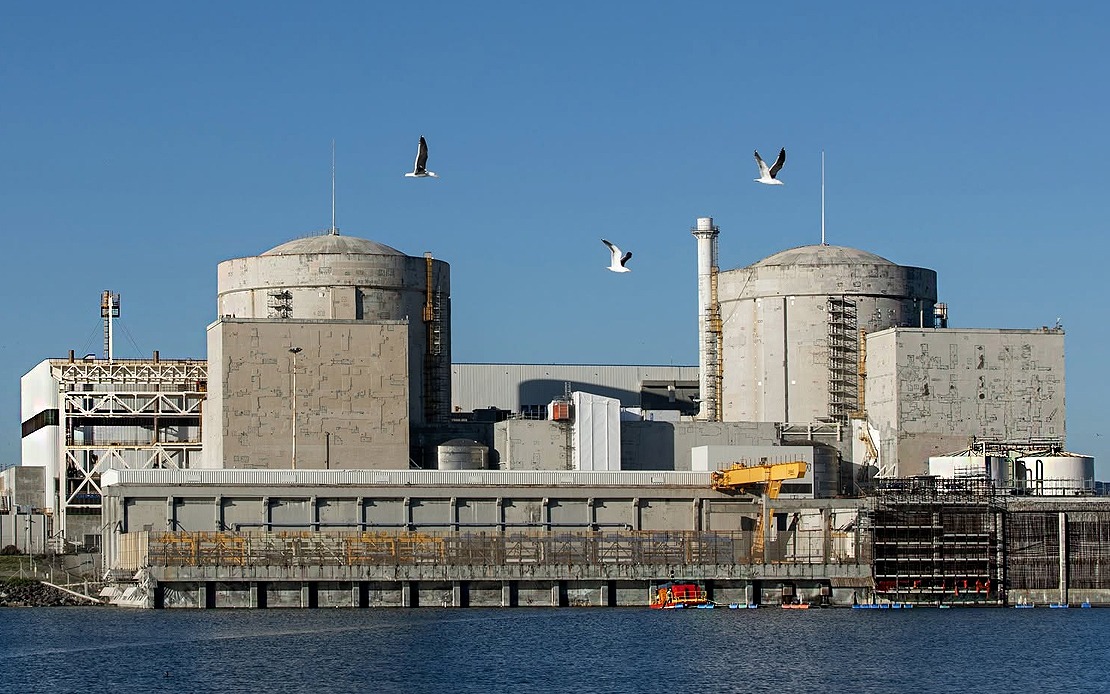
South Africa's Energy Minister Kgosientsho Ramokgopa disclosed on Sunday that workers at the country's sole operating nuclear facility, Koeberg Nuclear Power Station, experienced radiation exposure during routine maintenance operations, marking a rare public acknowledgement of such incidents at the sensitive installation near Cape Town.
The three separate exposures occurred on June 30 and July 2 and 7 at the plant, which sits approximately 30 kilometres north of Cape Town on the Atlantic coast. Ramokgopa assured the media that all incidents had been successfully contained and posed no threat to the surrounding communities, emphasising that no radioactive material escaped into the environment. The minister's statement sought to calm potential public concerns about safety at the facility, which remains a focal point in debates over South Africa's energy future.
According to official explanations, the radiation exposures stemmed from a temporary power disruption that compromised the plant's critical ventilation systems during maintenance activities. The loss of ventilation capabilities created conditions allowing radiation to affect workers in the vicinity, though authorities stressed the incident was neither unprecedented nor indicative of systemic problems at the installation. Ramokgopa characterised the radiation doses received by affected workers as minimal, comparing them favourably to the exposure typical of a single routine dental X-ray examination.
Velaphi Ntuli, head of South Africa's nuclear safety division, further downplayed the severity of the incidents by noting they failed to meet the regulatory threshold for classification as reportable nuclear safety events. This determination suggests the exposure levels and circumstances fell within acceptable bands defined by the country's nuclear regulatory framework. Such regulatory classifications carry significant weight in international nuclear discourse, where transparent reporting of incidents—even minor ones—forms a cornerstone of public confidence in nuclear operations.
The disclosure occurs amid South Africa's ambitious expansion of its nuclear energy infrastructure. The government has outlined plans to increase nuclear generating capacity by 5.2 gigawatts by 2039, a substantial undertaking that would significantly reshape the country's electricity generation portfolio. This expansion programme, however, remains contentious among segments of South African society concerned about safety, security, and cost implications of nuclear technology.
South Africa faces compelling energy pressures that make nuclear expansion a strategic priority for policymakers. The nation has endured severe and widespread electricity shortages for several years, with rolling blackouts becoming a persistent feature of daily life across the country. These power cuts have imposed substantial economic costs, disrupted industrial production, and constrained business competitiveness, making energy security a paramount government concern. Nuclear power represents a potential solution to these chronic supply deficits.
The country's current electricity generation remains heavily reliant on coal-fired power stations, a dependency that creates both environmental and economic vulnerabilities. Coal power plants age, require increasingly expensive maintenance, and face mounting pressure from global climate commitments. The government views nuclear capacity as essential infrastructure for transitioning away from fossil fuel dependency while meeting rising electricity demand.
Broader decarbonisation aspirations inform South Africa's nuclear strategy. The government has committed to generating the majority of the nation's electricity from non-fossil fuel sources by 2050, positioning nuclear alongside renewable energy sources as integral to this transition. Unlike solar and wind installations, nuclear plants provide reliable baseload power generation unaffected by weather patterns, addressing a critical gap that renewables alone cannot fill.
For Malaysian and Southeast Asian observers, the Koeberg incidents illustrate the operational challenges inherent in nuclear power generation, even at relatively mature facilities. South Africa's Koeberg plant, which began operation in 1984, represents one of Africa's oldest and most experienced nuclear installations. That radiation exposure incidents can occur during routine maintenance at such an established facility underscores the technical complexity and operational risks associated with nuclear technology. Southeast Asian nations considering nuclear expansion, including potential Malaysian interest, should recognise that competent operation requires sustained investment in staff training, safety culture, and infrastructure maintenance.
The incidents also demonstrate how communication strategies shape public perception of nuclear incidents. South Africa's framing of the exposures as minor and contained, coupled with regulatory determinations that incidents fell below reportable thresholds, attempts to contextualise the events as manageable and non-threatening. However, such approaches can erode public trust if communities perceive authorities as downplaying genuine risks. The contrast between official assurances and public anxieties typically characterises nuclear energy debates across developing economies, where confidence in regulatory institutions may remain fragile.
Maintenance-related incidents pose particular challenges because they often involve workers in close proximity to radiation sources and compromised safety systems. The power outage affecting Koeberg's ventilation systems exemplifies how dependent modern nuclear operations have become on interconnected technical infrastructure. A single system failure cascades across multiple safety systems, creating unexpected vulnerabilities. This complexity requires exceptional operational discipline and contingency planning that developing nations must master before significantly expanding nuclear capacity.

