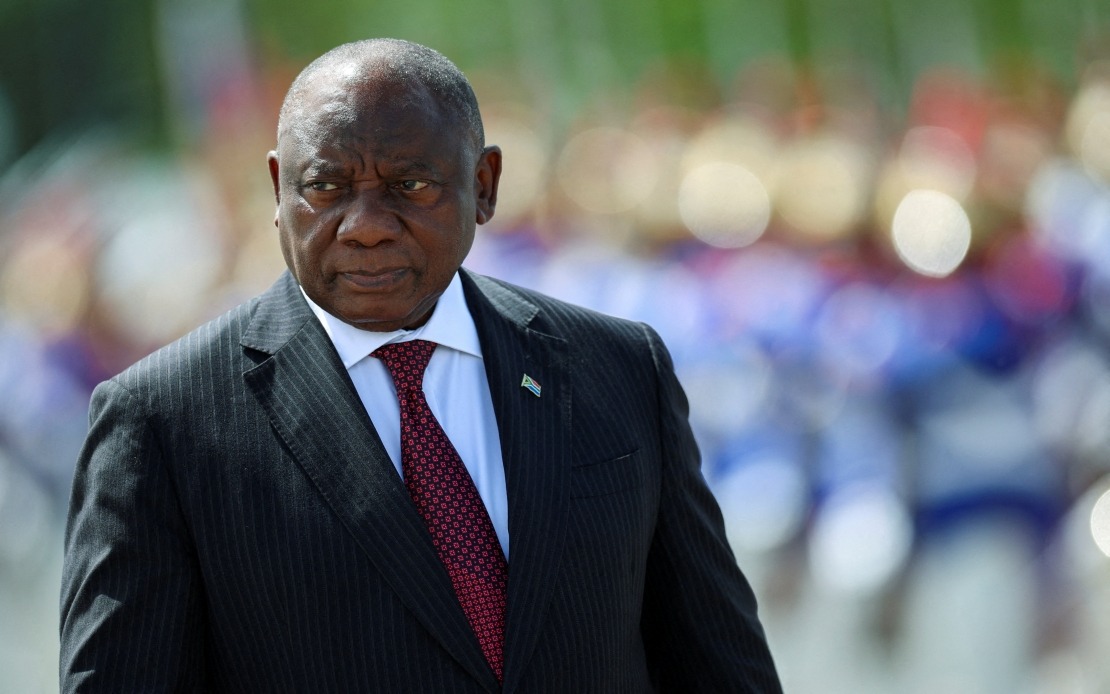
The Western Cape High Court in South Africa has delivered a significant reprieve for President Cyril Ramaphosa by ordering a temporary suspension of impeachment proceedings against him. In a majority decision announced on Friday, the court granted the president an interim interdict that prevents parliament's impeachment committee from continuing its work until the merits of his legal challenge to an independent panel's findings are fully determined. This ruling, while not addressing the substantive questions surrounding the controversy, provides crucial breathing room for the embattled leader as political tensions continue to simmer in the country.
Ramaphosa initiated urgent court action on June 12 seeking to pause the impeachment committee's activities while he pursues a formal judicial review of the independent panel's report. In his court papers, the president argued that parliament should not proceed with any impeachment measures until the courts have had an opportunity to examine whether the panel's conclusions were reached properly and lawfully. His legal strategy essentially seeks to shift the battle from the political arena of parliament to the judicial arena, where technical and procedural arguments may prove more advantageous. He had previously filed a separate challenge on May 26 asking the court to review and potentially overturn the panel's findings entirely.
The case centres on the Phala Phala scandal, which emerged from allegations that approximately US$580,000 in cash was stolen from Ramaphosa's private game farm in Limpopo Province during 2020. The incident raised serious questions about whether the president had properly disclosed this substantial amount of foreign currency to South African authorities, as required by law. The circumstances surrounding the theft, the handling of the reported crime, and the eventual recovery of funds have all become subjects of intense scrutiny and political controversy, transforming what initially appeared to be a simple crime into a constitutional crisis.
An independent panel led by former Chief Justice Sandile Ngcobo conducted an investigation and published its findings in 2022. The panel determined there was prima facie evidence suggesting Ramaphosa may have engaged in serious misconduct relating to the Phala Phala matter. This conclusion carried significant weight given the panel's composition and the formal nature of its inquiry. However, the National Assembly subsequently voted against formally adopting the panel's report and did not proceed with impeachment at that time, effectively shelving the matter despite the damaging conclusions.
The situation was dramatically reverted when South Africa's Constitutional Court ruled in May that parliament had acted unlawfully in rejecting the panel's report in 2022. The country's apex court essentially overturned the legislative decision, determining that there was no valid legal basis for the National Assembly to dismiss the findings. This ruling reset the entire impeachment process and forced parliament to reconsider the matter, putting the president back in legal jeopardy and reigniting a political battle that many had thought resolved.
Friday's interim court order does not make any determination about whether Ramaphosa's challenge to the panel report has merit. Instead, it simply preserves the status quo by preventing parliament from moving forward while the substantive judicial review proceeds. The court is essentially saying that it would be unjust and potentially irreversible to allow impeachment proceedings to advance when there is a credible legal question about the validity of the underlying report. This type of interim relief is typically granted when a party demonstrates both a serious question to be tried and potential irreparable harm if the relief is not granted.
The actual judicial review hearing, where Ramaphosa's lawyers will present full arguments challenging the panel's methodology, findings, and conclusions, is scheduled for September 2-4. This three-day hearing will be the crucial juncture where the court examines whether the independent panel followed proper procedures, whether its conclusions were based on sufficient evidence, and whether the overall process was conducted fairly and lawfully. The stakes are extraordinarily high because a court decision upholding the panel's findings would likely revive momentum for impeachment in parliament.
For regional observers and policymakers across Southeast Asia and the broader developing world, this South African case illustrates the complex interplay between legislative and judicial power in presidential systems. The situation demonstrates how different branches of government can come into conflict over fundamental issues of accountability and misconduct allegations. It also shows the potential vulnerabilities in systems where senior leaders can face simultaneous challenges from multiple institutional actors pursuing overlapping agendas.
The impeachment process itself represents a severe political threat to Ramaphosa's presidency and authority. Successfully removing a sitting president through impeachment is extraordinarily difficult in most democratic systems, and the political and factual obstacles facing the South African parliament are substantial. Nevertheless, the very fact that such proceedings can be initiated and pursued reflects underlying governance mechanisms designed to ensure that no leader is entirely above accountability. The extended legal battle now playing out in South African courts will ultimately determine whether those accountability mechanisms can function effectively when challenged.
For Malaysian readers and commentators watching South African political developments, several themes deserve attention. The case demonstrates how institutional tensions within democracies must be resolved through legal channels rather than political force. It also illustrates the importance of independent judiciaries capable of reviewing both executive and legislative actions when constitutional principles are at stake. Additionally, the prolonged nature of these proceedings—spanning from 2020 when the original incident occurred through multiple investigations, panel reviews, parliamentary votes, constitutional court rulings, and now additional judicial reviews—underscores how complex governance crises can dominate a nation's political attention for years.
Ramaphosa's strategic choice to pursue judicial intervention rather than submit to parliament's process reflects confidence in the courts' independence and his legal team's capabilities. However, it also carries risks, as judges may ultimately side with critics who argue that using legal proceedings to delay accountability represents an abuse of the judicial system. The coming September hearing will test not only the strength of Ramaphosa's legal arguments but also the judiciary's willingness to second-guess an independent panel's findings when significant political and reputational consequences hang in the balance.
The temporary halt granted by the Western Cape High Court provides breathing room but does not resolve the underlying crisis. Ramaphosa remains under a cloud of suspicion regarding his conduct and his government's credibility continues to suffer in the eyes of South African citizens and international observers. The September court hearing will be pivotal in determining whether this matter moves toward final resolution through impeachment proceedings in parliament or whether judicial intervention succeeds in derailing the accountability process entirely.

