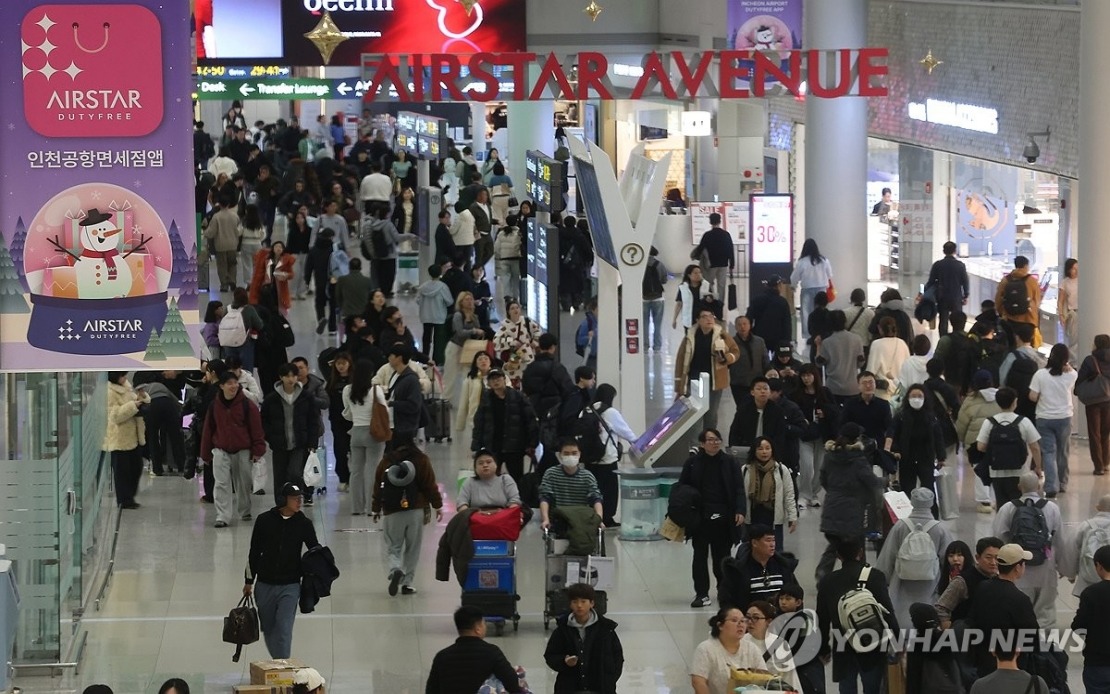
South Korea is experiencing unprecedented tourism momentum this year, having welcomed more than 10 million international visitors by the third weekend of June. This accelerated timeline marks a watershed moment for the nation's tourism sector, arriving roughly a month earlier than the corresponding milestone in 2023 when the figure was reached in mid-July. The Ministry of Culture, Sports and Tourism confirmed that this represents the first instance in which the 10 million threshold has been crossed during the first half of any calendar year, underscoring the strength of current travel demand to the peninsula.
The recovery in visitor numbers reflects a dramatic turnaround in inbound tourism following the disruptions of recent years. May alone saw 1.95 million arrivals, representing a robust 19.4 per cent increase compared to the same month last year. This sustained growth trajectory suggests that the country is well positioned to achieve a new all-time annual visitor record, provided current momentum persists through the remainder of 2024. Industry analysts attribute the rebound to several factors, including improved regional air connectivity, coordinated destination marketing efforts, and a post-pandemic surge in pent-up demand for international travel across East Asia.
The geographic composition of visitor flows reveals important patterns about source markets and tourism preferences. Chinese nationals dominated May arrivals with 560,000 visitors, maintaining their position as South Korea's largest single source market despite ongoing recovery in cross-border travel from mainland China. Japanese tourists followed at 360,000, a figure reflecting both cultural proximity and established travel infrastructure linking Japan to South Korea. American visitors numbering 210,000 in May demonstrate sustained interest from distant markets, suggesting that South Korea's appeal extends well beyond its immediate regional neighbours.
A particularly encouraging development is the geographic diversification of tourism throughout the country. Regional airports, which serve areas outside Seoul and its surrounding metropolitan zone, recorded steadily climbing passenger volumes. January began the year with 230,000 passengers transiting through these facilities, a figure that climbed to 360,000 by May. This expanding distribution suggests that tourism investment beyond the capital region is bearing fruit, reducing the concentration of visitor spending in Seoul and generating economic benefits across provincial areas that have historically received less international attention.
Consumer spending data provides additional evidence of the tourism sector's commercial vigour. Foreign visitors' card expenditures in May, encompassing both physical transactions and online purchases, reached 2.12 trillion won, equivalent to approximately US$1.38 billion. This monthly total represents a historic milestone, marking the first occasion since tracking began in 2018 that a single month has exceeded the 2 trillion won spending threshold. The figures suggest that visitors are not merely arriving in greater numbers but are also spending more per capita, bolstering the direct economic returns to businesses in retail, hospitality, dining, and entertainment sectors.
Despite external headwinds, South Korea's tourism sector has maintained its growth trajectory. Officials noted that the Middle East crisis has driven up fuel surcharges affecting international aviation, yet year-to-date arrivals through May still climbed 21 per cent compared to the previous year. This resilience indicates that even cost-conscious travellers continue prioritising South Korea as a destination. The ability to achieve robust growth amid elevated transportation costs suggests deep underlying demand that transcends temporary price fluctuations.
South Korean policymakers are capitalising on this momentum by intensifying promotional activities. Kang Jung-won, heading the Ministry of Culture, Sports and Tourism's tourism policy office, announced that the government will deepen cooperation with private-sector stakeholders to sustain and amplify inbound arrivals. The strategy emphasises leveraging South Korea's soft power assets, particularly its influential K-pop industry and entertainment exports, as anchors for destination marketing. This approach recognises that cultural appeal and entertainment value have become central pillars in attracting younger, digitally-native travellers who are often influenced by online content and celebrity endorsements.
The tourism sector's expansion carries significant implications for Southeast Asian nations competing for regional visitor flows. South Korea's success demonstrates the commercial viability of aggressive destination positioning and diversified marketing strategies that extend beyond traditional tourism channels. Malaysia and other ASEAN members, which compete with South Korea for Japanese, Chinese, and Western tourists, may observe lessons regarding the importance of dispersing visitor benefits geographically and investing in secondary cities. The South Korean model suggests that regional airports and non-capital tourism infrastructure merit substantial investment if nations wish to capture proportionally greater economic returns from international tourism.
Looking forward, the trajectory suggests South Korea could comfortably exceed the 13 million annual visitor threshold that many analysts previously considered aspirational. Should current monthly growth rates persist through the peak summer and autumn travel seasons, year-end figures could substantially surpass historical records. The convergence of recovering Chinese outbound tourism, sustained Japanese visitation, resilient Western demand, and successful geographic distribution creates a particularly favourable environment for the South Korean tourism industry. Such outcomes would position tourism as an increasingly significant contributor to economic growth, employment, and cultural exchange throughout East Asia.

