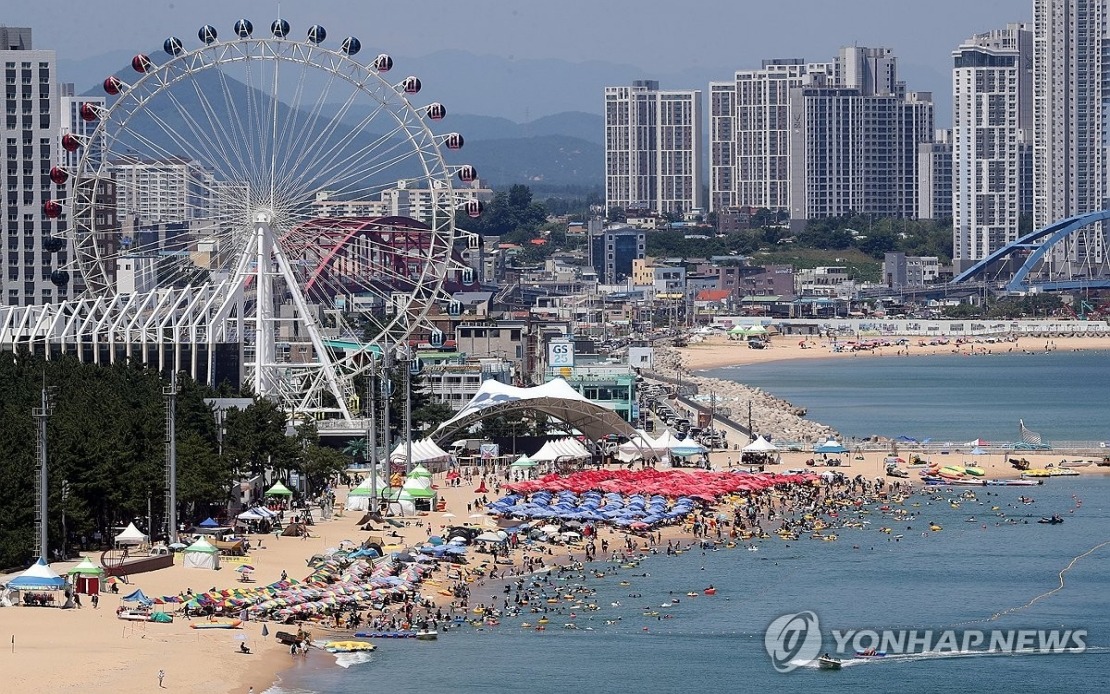
South Korea is grappling with an unprecedented heat emergency after temperatures in the southeastern city of Yangsan soared to 42.5°C on Sunday, marking the highest temperature recorded since the Korean Peninsula began systematic weather observations in 1904. The mercury climbed steadily throughout the afternoon, reaching 42°C at 1:16 p.m. and climbing further to the record-breaking 42.5°C just ten minutes later, according to data from the Korea Meteorological Administration, which maintains records across 97 long-term observation stations nationwide.
The relentless heat wave battering the region carries particular significance for Southeast Asian nations closely monitoring climate patterns. South Korea's experience serves as a cautionary indicator of the escalating extreme weather events affecting the broader East Asian region, where Malaysia and other ASEAN members face similar climate vulnerabilities. The unprecedented temperature surge underscores how rapidly thermal conditions are intensifying across temperate and tropical zones alike, a phenomenon with direct implications for regional economic stability and public health infrastructure across Southeast Asia.
Yangsan, positioned approximately 310 kilometres southeast of Seoul, has become the epicenter of this meteorological crisis. What makes the situation more alarming is the progressive timing pattern observers have documented: each day, temperatures exceed the 40°C threshold earlier than the previous day, indicating that thermal accumulation is intensifying rather than stabilizing. Scientists express grave concern that mercury levels could surpass 43°C before the heat wave subsides, creating conditions that would shatter records set less than a century ago during the pre-industrial temperature baseline period.
Sunday marked the fifth consecutive day when Yangsan recorded temperatures exceeding 40°C, demonstrating the relentless persistence of this extreme weather system. Simultaneously, the city of Gyeongju, situated approximately 240 kilometres southeast of Seoul, registered 40.2°C by mid-afternoon, constituting the first occasion this year when thermometers have climbed above the 40°C barrier in that location. The last time Gyeongju experienced such elevated temperatures was in 2018, when readings peaked at 39.8°C, meaning this current heat wave represents an eight-year maximum for the city and signals an accelerating trend in peak summer temperatures across the peninsula.
The South Korean government has mobilized comprehensive emergency protocols in response to the escalating thermal crisis. Prime Minister Han Seong-sook activated what authorities designated as a "Level 2" emergency operation through the national disaster response headquarters beginning at 1 p.m., signaling the severity officials attribute to prevailing conditions. This elevated alert status triggers coordinated action across government ministries and provincial administration bodies, fundamentally reshaping how state resources and personnel respond to heat-related emergencies throughout the country.
Executive directives issued by the Prime Minister's office prioritize identifying and protecting population segments most vulnerable to extreme heat exposure. Government agencies at national and provincial levels received explicit instructions to conduct enhanced safety inspections targeting elderly citizens, outdoor workers, homeless populations, and individuals with pre-existing health conditions. Simultaneously, authorities have implemented specialized protocols ensuring uninterrupted electrical and water supply networks, recognizing that infrastructure strain during peak demand periods could create cascading public health emergencies if essential services experience interruption.
Public health messaging has emphasized behavioral modification strategies designed to minimize heat exposure. Citizens received official advisories recommending they avoid unnecessary outdoor activities during peak thermal hours and comply with established heat-safety protocols. These recommendations reflect standard public health doctrine but underscore the genuine emergency character officials perceive in current atmospheric conditions. For Malaysian readers familiar with tropical heat management, South Korea's emergency footing illustrates how temperate-zone populations possess far lower physiological and infrastructure adaptation to sustained high temperatures compared to equatorial and tropical regions accustomed to perpetual heat.
The historical significance of this temperature milestone cannot be understated. Since systematic meteorological observation began on the Korean Peninsula in 1904, no location has recorded temperatures approaching 42.5°C until this moment. The 120-year baseline represents the full era of reliable instrumental measurement, making this reading scientifically extraordinary. Climate researchers consistently note that heat wave intensification and temperature records increasingly cluster within compressed timeframes, suggesting not merely cyclical variation but fundamental shifts in baseline atmospheric conditions.
For Malaysia and the broader Southeast Asian region, South Korea's heat emergency carries important analytical weight. While tropical nations experience consistently elevated temperatures as normal conditions, the speed at which temperate regions are warming suggests that global climate acceleration is proceeding faster than many models projected just a decade ago. Southeast Asian nations, already contending with heat stress, water scarcity, and agricultural vulnerability, must recognize that their regional neighbors are experiencing comparable climate pressures, albeit expressed through different meteorological extremes. South Korea's emergency response mechanisms and public health preparations offer instructive models as regional governments refine their own climate resilience strategies in anticipation of intensifying environmental stresses.

