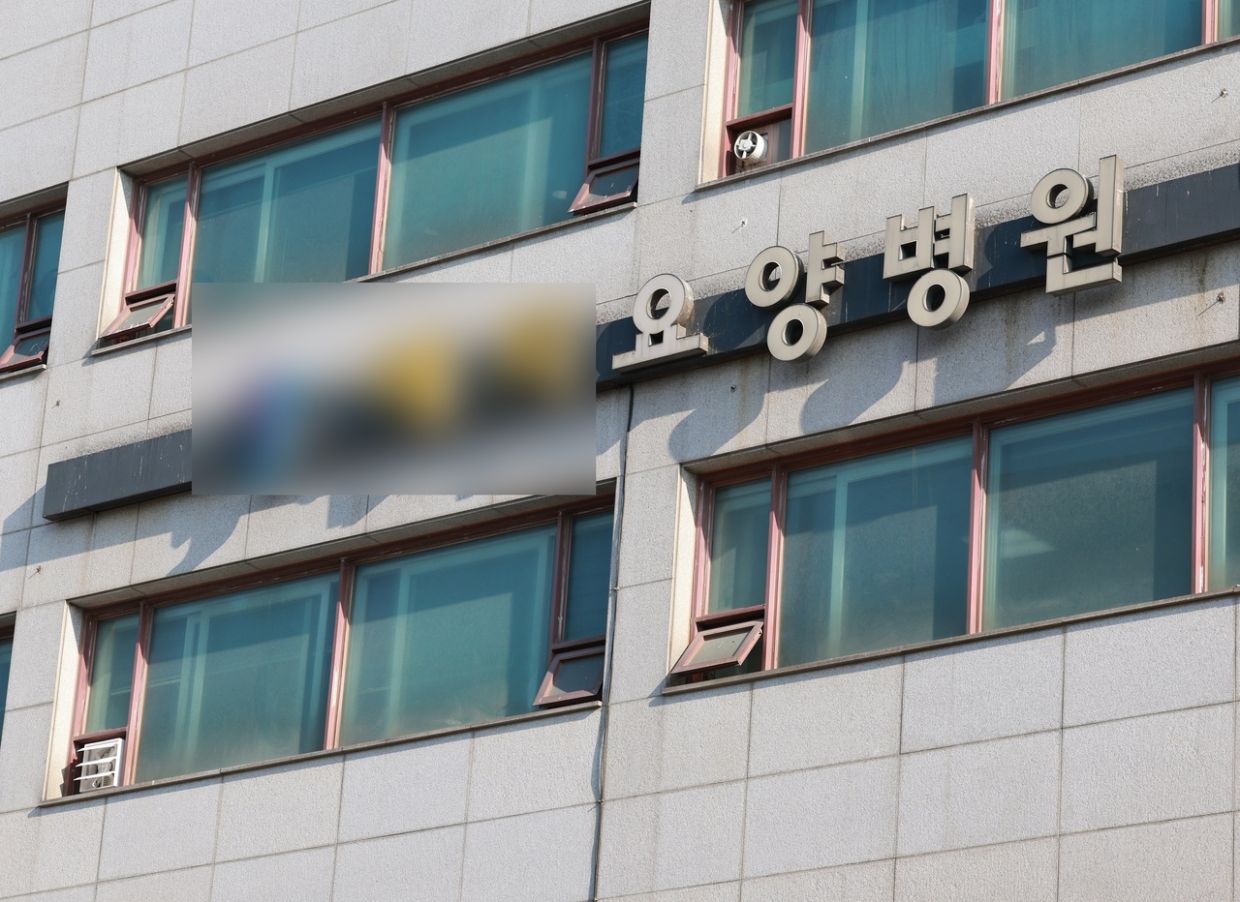
South Korean authorities have concluded their initial investigation into the discovery of an amputated human leg at a recycling facility in Incheon, determining the body part was accidentally disposed of as waste by the hospital where the amputation was performed. Police announced the findings on Friday, confirming reports the hospital had submitted two days earlier, bringing closure to a week-long inquiry that began when the limb was found at a waste processing centre.
Officials from Incheon Yeonsu Police Station revealed that the leg had been surgically removed from an elderly female patient in her 80s at a nursing hospital located in the Jung-gu district of Incheon. The amputation itself appears to have been medically necessary, and authorities found no evidence suggesting criminal intent or foul play in the procedure. What transformed a routine medical procedure into a public incident was the subsequent mishandling of the biological waste that should have been treated as hazardous medical refuse rather than everyday garbage.
The circumstances surrounding the disposal reveal a breakdown in institutional protocols at the facility. A member of the hospital's cleaning staff, a person in their 60s, was responsible for the error. This worker discarded the amputated leg alongside regular waste streams, apparently believing the biological material originated from a medical mannequin rather than a deceased or living patient. This fundamental misunderstanding suggests either inadequate training in distinguishing medical waste categories or insufficient protocols for clearly labelling and segregating such materials before disposal.
The leg was discovered at approximately 2:28 PM on June 10 at the Southern Regional Resource Recovery Centre, prompting authorities to launch a formal investigation. Initial forensic examination by the National Forensic Service confirmed the recovered limb belonged to an adult human, not a practice dummy as the cleaner had assumed. This finding prompted the hospital's management to contact police and acknowledge responsibility for the misplaced body part, demonstrating a degree of institutional accountability once the error was identified.
Subsequent DNA analysis performed by the National Forensic Service provided conclusive identification, establishing that the amputated leg matched the genetic profile of the female patient at the Jung-gu nursing hospital. This scientific confirmation transformed the case from a perplexing mystery into a documented breach of medical waste management standards. While the investigation eliminated any suspicion of criminal conduct related to the amputation itself, the circumstances of disposal opened separate legal questions about institutional compliance with South Korean regulatory frameworks.
The hospital now faces potential violations of Korea's Wastes Control Act, which establishes strict requirements for the separation and disposal of medical waste. The legislation mandates that all medical waste be discarded in government-designated containers specifically designed for such materials, rather than being mixed with general recyclable or non-hazardous refuse. Investigators are currently examining whether the hospital adhered to these mandatory procedures and whether accountability measures should apply to both the individual worker and the institution's management for failing to implement proper segregation practices.
Beyond waste disposal violations, authorities are also investigating potential breaches of the Medical Service Act concerning the amputation procedure itself. Questions have emerged about the hospital's technical capacity to perform such a surgical procedure, with allegations that the facility lacks the necessary equipment and infrastructure to conduct amputations safely and to appropriate clinical standards. While police have not issued definitive conclusions regarding these claims, the inquiry suggests the hospital may face scrutiny on multiple regulatory fronts beyond the waste management violation.
Police officials have acknowledged the complexity of determining appropriate legal remedies and criminal penalties. A spokesperson noted that the force has not yet identified a specific clause within the Medical Service Act that would warrant criminal prosecution, indicating that violations may fall into regulatory or administrative categories rather than generating criminal charges. This procedural uncertainty reflects the challenge authorities face in applying existing legal frameworks to novel situations involving intersecting medical and environmental regulations.
The investigation process now involves consultation with multiple stakeholder organisations and expert bodies. Police indicated they will confer with the Korean Medical Association, the Ministry of Health and Welfare, and independent legal specialists before reaching final conclusions about potential sanctions or corrective measures. This collaborative approach suggests authorities are attempting to develop a comprehensive understanding of institutional failures across both medical practice and environmental compliance domains rather than rushing to narrow legal judgments.
Background information gathered during the investigation reveals the patient's family initially sought admission to the nursing hospital after other medical facilities declined to accept her due to her deteriorating medical condition. This detail adds context to understanding how the patient came to be at a nursing facility rather than a general hospital, though it does not address the core questions about whether the nursing home possessed adequate facilities for surgical procedures or whether transferring an elderly patient requiring amputation to an under-equipped facility represented appropriate medical practice.
The case highlights systemic vulnerabilities in medical waste management and institutional oversight that extend beyond this single incident. For Malaysian healthcare providers and waste management authorities, the Incheon situation underscores the importance of comprehensive staff training programs, clear visual labelling systems for medical waste containers, and regular audits ensuring compliance with hazardous material disposal protocols. The incident demonstrates how seemingly minor gaps in procedural adherence can create significant public embarrassment and legal liability for healthcare institutions.
Regionally, the case reflects broader challenges across East and Southeast Asian healthcare systems where rapid institutional expansion sometimes outpaces the development of robust quality assurance and regulatory compliance mechanisms. Malaysia's healthcare sector, encompassing both public and private facilities, can learn from South Korea's response by reinforcing mandatory segregation practices, implementing technology-based tracking systems for medical waste, and establishing clear accountability structures that distinguish between individual worker error and institutional negligence in future similar incidents.

