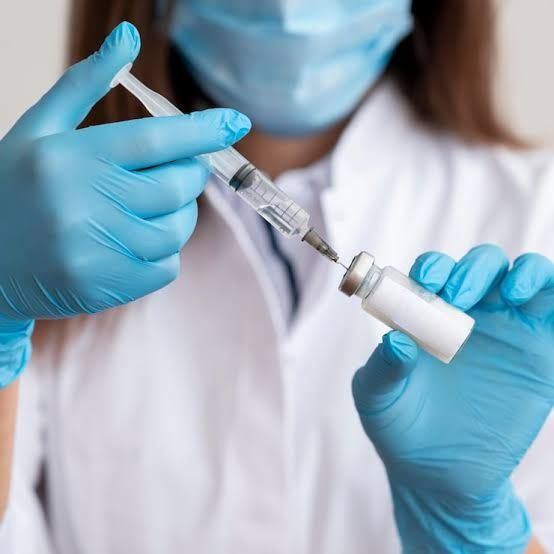
A nurse assistant in her twenties has been arrested in Seoul after authorities discovered she had injected herself with the anaesthetic drug propofol during her inaugural shift at a dermatology clinic in the Gangnam-gu district. The Seoul Gangnam Police Station detained the woman on July 7 on suspicion of violating the country's Narcotics Control Act, launching a formal investigation into her conduct and potential broader substance misuse patterns.
The incident unfolded when the newly hired employee discovered a discarded syringe containing propofol inside a medical waste receptacle at the clinic. Rather than properly disposing of the contaminated needle or reporting the oversight, she chose to self-administer the contents directly. This reckless decision not only violated drug control regulations but also exposed her to significant health hazards, including infection risks from using a needle found in contaminated waste.
Propofol is a pharmaceutical sedative administered intravenously to induce anaesthesia during medical procedures and surgery. The drug works rapidly on the central nervous system but carries substantial dangers when misused. Recreational or unsupervised use can precipitate severe adverse effects ranging from respiratory depression and cardiovascular instability to fatal overdose. Healthcare workers, who have ready access to such medications, have been identified globally as a vulnerable population for substance abuse, though the consequences of addiction often prove catastrophic for both the individuals involved and the patients they serve.
The arrest marks a significant development in an escalating public health crisis within South Korea's medical sector. Rather than face immediate detention, the woman has been processed through a booking procedure that permits her temporary release while investigations continue. Authorities are particularly interested in determining whether this incident represents an isolated act of poor judgment or whether she harbours a pattern of habitual drug use that may have predated her employment at the clinic.
The case arrives amid mounting concern across South Korea regarding the proliferation of medical narcotic consumption and abuse. Healthcare regulators and policy experts have grown increasingly vocal in demanding comprehensive reforms to how clinics and hospitals manage the lifecycle of controlled substances, from initial procurement through daily handling protocols to final disposal procedures. Current practices, as evidenced by this incident, appear inadequate in preventing unauthorised access.
Recent epidemiological data underscore the magnitude of this emerging crisis. During 2025, approximately 20.2 million South Korean patients—representing roughly four out of every ten residents—obtained at least one medical prescription involving narcotics, according to statistics released in June by South Korea's Drug Ministry and the Korea Institute of Drug Safety and Risk Management. These figures demonstrate not merely a clinical phenomenon but a population-wide exposure to controlled substances that creates vulnerabilities throughout the healthcare system.
The rising prevalence of narcotic prescriptions reflects both legitimate medical advances—expanded pain management protocols, anaesthetic applications, and palliative care—and concerning patterns of over-prescription that have paralleled global trends. However, when coupled with inadequate institutional safeguards against diversion and misuse, particularly among healthcare staff with privileged access, the situation becomes acute. This nurse assistant's actions exemplify a systemic vulnerability that extends beyond individual misconduct to illuminate structural weaknesses in pharmacological governance.
For Malaysia and other Southeast Asian nations monitoring healthcare policy developments, South Korea's experience offers sobering lessons. Many regional healthcare systems confront comparable pressures regarding narcotic availability, staff supervision, and waste management protocols. The case demonstrates how quickly medical facilities can become sources of drug diversion when proper controls remain lax. Malaysian health authorities and private clinic operators should examine whether their own institutional practices contain similar vulnerabilities.
The fundamental question facing South Korean regulators concerns how to balance legitimate medical access to essential anaesthetic and analgesic medications against the necessity of preventing misuse and diversion. Stricter storage protocols, enhanced tracking systems, improved staff monitoring, and secure waste disposal procedures represent obvious interventions. Yet implementation requires investment and institutional commitment that many smaller facilities may struggle to afford, potentially creating disparities between well-resourced and under-resourced clinics.
This incident also highlights broader workplace safety considerations within healthcare settings. A nurse assistant injecting unknown quantities of a powerful pharmaceutical on her first day suggests inadequate orientation, supervision, and workplace culture around drug safety. Healthcare facilities must cultivate environments where staff feel empowered to report suspicious activities, expired medications, and improper waste handling rather than exploiting such oversights for personal use.

