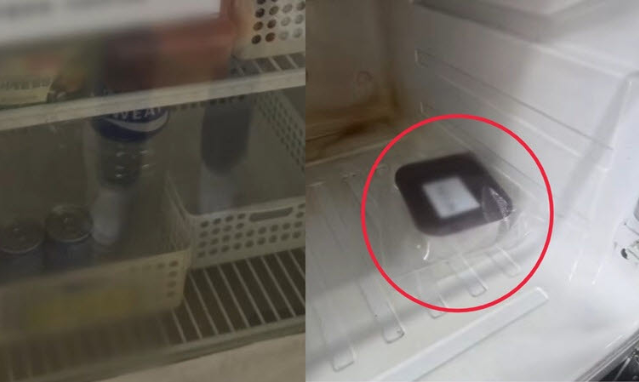
South Korean health authorities have launched an investigation into a Seoul nursing hospital following the discovery of a patient's severed toe stored inappropriately in the facility's kitchen refrigerator. The digit, which had been placed in a disposable porridge container, remained among food items and beverages for approximately two weeks until the patient's family discovered it during a visit. The incident, first reported by KBS on August 19, has sparked concerns about medical waste handling standards and patient care protocols at healthcare facilities across the country.
The toe belonged to a man in his sixties living with an intellectual disability who has resided at the facility for a decade. According to the patient's family, hospital staff explained that the appendage detached in March when the man fell while being transferred in a wheelchair to take a bath. The staff attributed the incident to the patient already having skin necrosis affecting the area, which made the tissue vulnerable to separation upon impact. However, the family stated they had received no prior notification about the toe's condition or the circumstances leading to its loss.
The handling of the patient's medical history raises additional concerns beyond the storage issue itself. The family revealed that they were never informed the man had been diagnosed with a foot ulcer, despite clear documentation in the hospital's nursing records dating back to December of the previous year. This failure to communicate a significant medical condition to family members represents a separate breach of standard patient care protocols and informed consent practices that are fundamental to responsible healthcare administration.
Under South Korea's Waste Control Act, medical waste including human tissue must be stored in specifically designated containers that meet regulatory standards. The improper refrigeration of human tissue alongside food products potentially violates multiple regulations simultaneously, including those governing food sanitation and medical waste management. These regulatory frameworks exist to prevent cross-contamination and ensure dignified handling of human remains, a consideration that takes on added significance given the patient's vulnerable status and dependence on institutional care.
The hospital has offered an explanation for the storage decision, asserting that it lacked an appropriate container for preserving the severed toe and that a nursing staff member placed it in the kitchen refrigerator as an emergency response measure. This account suggests a gap between the regulatory requirements that should govern such situations and the actual resources or protocols available to staff when unexpected medical events occur. The hospital's position implies that staff members made a judgment call based on practical constraints rather than deliberate negligence, though such reasoning does not absolve the institution of responsibility for maintaining proper facilities and procedures.
The incident highlights broader questions about oversight and accountability within South Korea's nursing home sector. Facilities housing vulnerable populations, particularly individuals with intellectual disabilities, require robust monitoring systems to ensure compliance with health and safety standards. The extended period during which the toe remained in the refrigerator unaddressed suggests a lack of proper incident reporting or investigation procedures that might have prompted corrective action sooner. The discovery by family members rather than through internal protocols indicates potential failings in institutional management and transparency.
For Malaysian readers, this case offers important lessons regarding healthcare facility standards and patient advocacy. While South Korea maintains relatively strict regulations compared to many developing nations, even well-regulated systems can experience lapses when institutions lack adequate infrastructure or staff training. Families of patients in long-term care facilities across Southeast Asia should remain vigilant about communication regarding medical conditions and incident reporting. The incident underscores the value of regular family visits and direct communication with healthcare providers as safeguards against institutional oversights.
The incident also reflects systemic challenges in caring for elderly and disabled populations across developed Asian healthcare systems. Many facilities in the region struggle with staff-to-patient ratios and resource constraints that can compromise care quality and safety protocols. As aging populations expand across Southeast Asia, ensuring that nursing homes and long-term care facilities maintain adequate equipment, training, and oversight becomes increasingly critical for protecting vulnerable residents.
South Korea's Health Ministry responded to the incident by announcing plans to direct local government authorities to conduct a comprehensive administrative investigation into the hospital's operations. This escalation from institutional-level response to ministerial-level oversight signals the seriousness with which authorities are treating the violation. The investigation will likely examine not only the specific incident but also broader patterns of compliance with medical waste regulations, communication protocols with families, and documentation practices across the facility's operations.
The case demonstrates the importance of regulatory enforcement and surprise inspections in healthcare settings. Even facilities operating for many years without apparent incident may develop problematic practices if oversight mechanisms are insufficient. Authorities across Southeast Asia overseeing nursing homes and long-term care facilities should consider whether their inspection regimes and enforcement powers are adequate to catch similar violations before they reach such egregious levels. The findings from the South Korean investigation will likely inform best practices for the region.
Looking forward, this incident will probably prompt South Korean healthcare authorities to review and strengthen regulations governing medical waste storage in facilities lacking specialized infrastructure. Hospitals and nursing homes may be required to upgrade refrigeration facilities or implement new protocols for managing unexpected biological waste. These changes, while creating compliance costs, ultimately serve to protect patient dignity and public health. The case reinforces that standards for medical waste management cannot be treated as optional luxuries but essential components of professional healthcare operations.

