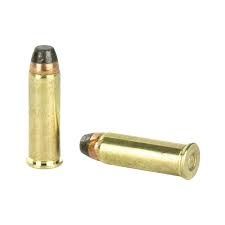
South Korean law enforcement has opened a formal investigation into a police officer who tried to board a passenger aircraft while carrying live ammunition, marking a serious breach of the nation's strict firearms regulations. Jeju Island police confirmed on July 3 that the officer, who serves with the Gyeonggi province police force and is in his 30s, faces allegations of violating legislation that governs the secure handling of firearms, bladed weapons, and explosives.
The incident unfolded at Jeju Airport late on June 28, when airport security staff discovered two live rounds in the officer's possession as he prepared to board a flight heading to Gimpo Airport. Notably, the officer was not carrying a firearm itself, only the ammunition, which raised immediate red flags among security personnel. The discovery prompted Jeju Seobu Police Station to commence a comprehensive investigation into the circumstances surrounding how the officer obtained and transported the bullets.
Forensic analysis conducted by the National Forensic Service determined that the ammunition was compatible with a .38-calibre pistol, the standard-issue sidearm supplied to the vast majority of South Korea's police officers. This identification added weight to the severity of the breach, as it indicated the rounds could be immediately deployed with any officer's assigned weapon, creating a potential security vulnerability within the force itself.
During questioning, the officer provided an explanation that has become central to the investigation: he claimed he received the ammunition from a former colleague who had recently retired from active duty. This account prompted police to examine whether the transfer of ammunition between officers—even informally—represents a systemic oversight in how the force manages and accounts for munitions. The claim has not yet been verified, and authorities are examining whether proper protocols were followed in the retirement process or whether departmental safeguards proved inadequate.
The timing of events adds another dimension to the investigation. Airport security at Gimpo had not detected any ammunition when the officer boarded an inbound flight to Jeju on June 26, suggesting the rounds either entered his possession between the arrival and departure, or escaped detection on the initial screening. This discrepancy has prompted questions about consistency in security procedures across South Korean airports and whether additional training or equipment upgrades may be necessary.
South Korea operates under exceptionally stringent regulations governing civilian and law enforcement access to firearms and ammunition, reflecting the nation's commitment to public safety and social order. These regulations exist partly due to the unique security environment on the Korean Peninsula and the desire to maintain tight control over weapons that could pose risks in civilian contexts. The regulations explicitly prohibit individuals from carrying firearms or live rounds outside authorized venues, with very limited exceptions granted only to active-duty military and law enforcement personnel under strict supervision.
Police officers operating within South Korea's system are bound by mandatory protocols requiring them to store their personal weapons at the armoury facilities located at their respective police stations when off-duty. This requirement applies universally and represents a foundational principle of the force's operational structure. The officer's attempt to transport ammunition across jurisdictional lines without authorization directly contravenes these established procedures and raises questions about whether he fully understood the regulations or whether he deliberately chose to circumvent them.
The investigation carries broader implications for South Korean policing. Internal security protocols at the departmental level may require review to ensure that retiring officers undergo thorough audits of their weapons and ammunition allocations before departure. Additionally, the case highlights potential gaps in communication between retiring personnel and active officers, particularly when personal transfers of materials occur outside official channels. Such incidents, though relatively uncommon in a country with Korea's generally strong institutional compliance culture, can erode public confidence in law enforcement's ability to maintain internal discipline.
For ordinary South Korean citizens, the incident reinforces the nation's zero-tolerance approach to unauthorized ammunition possession. While the officer in question enjoyed legal authorization to access such materials in his professional capacity, the unauthorized transportation across airline security represents precisely the kind of breach that domestic security frameworks are designed to prevent. Public awareness of such cases often strengthens support for maintaining strict regulations, as citizens recognize that even trained, authorized personnel can lapse in judgment.
The investigation is ongoing, with authorities working to establish a precise timeline of events and determine whether the officer's account of receiving the ammunition from a retired colleague can be substantiated. Should the investigation confirm the unauthorized transfer, it may prompt a broader review of protocols governing the transition of retiring officers and the handling of their assigned equipment and materials. The outcome of this case will likely influence how South Korean police leadership approaches internal oversight and the enforcement of compliance with firearms and ammunition regulations across all ranks.

