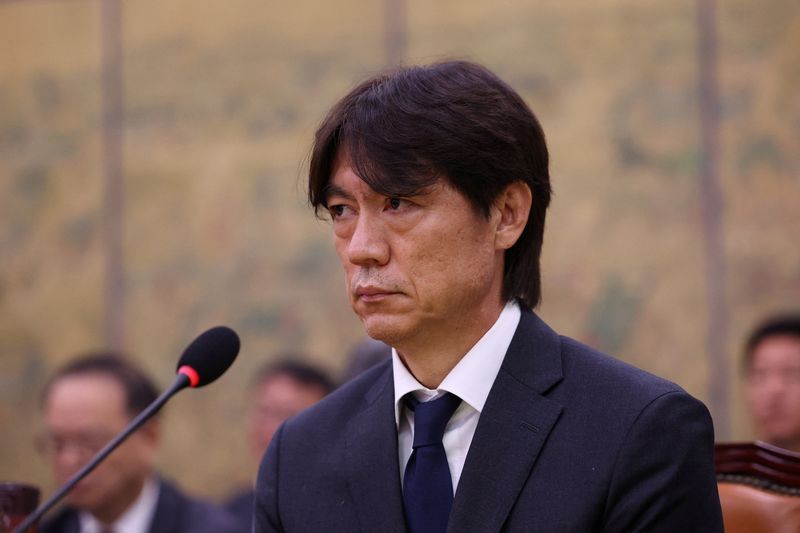
Seoul police conducted a raid on the Korea Football Association offices on Thursday as authorities intensified their investigation into allegations of obstruction of business connected to the appointment of former national coach Hong Myung-bo. The development marks an escalation in scrutiny over a process that has remained mired in controversy since the celebrated defender assumed the role earlier this year, replacing predecessors amid widespread criticism of the association's decision-making protocols.
The investigation centres on how the KFA handled the recruitment process leading to Hong's selection. Rather than conducting the extensive international search that had been publicised for months, the football body ultimately appointed Hong following what was characterised as a brief meeting with its technical director. This departure from standard procedure triggered immediate questions about whether the process met the association's own governance standards and whether decision-makers had circumvented established appointment protocols.
Hong's return to the national team role represented his second stint in charge, having previously coached South Korea from 2013 to 2014. His earlier tenure culminated in a first-round exit from the 2014 FIFA World Cup in Brazil, a result that had seemed to conclude his involvement with the national programme. His unexpected reappointment in 2024 therefore surprised many observers and stakeholders within South Korean football, given the mixed results from his previous engagement.
The appointment quickly became enmeshed with South Korea's disappointing performance at the 2024 World Cup in Qatar, where the team suffered elimination at the group stage. This underwhelming outcome intensified public and political scrutiny of Hong's selection, with lawmakers and sports officials questioning whether the KFA had made prudent personnel decisions. At a parliamentary hearing the previous month, Hong had categorically rejected implications that he received preferential treatment in his appointment process, though he accepted full responsibility for the team's tournament failure.
In October 2024, South Korea's sports ministry completed its administrative review of the KFA's appointment procedures and determined that the association had breached its own established rules in both Hong's case and that of his predecessor Juergen Klinsmann. Officials specifically found that a technical director's meeting with Hong did not satisfy the requirements for a proper formal interview as stipulated by KFA regulations. This administrative finding represented an official acknowledgment that the process fell short of institutional standards.
Despite identifying procedural violations, the sports ministry determined that no illegal conduct had occurred during the appointment process. The ministry therefore declined to order the cancellation of Hong's contract, allowing him to continue in his position despite the administrative irregularities. This measured approach suggested that while standards had not been met, the breaches did not constitute criminal wrongdoing—a distinction that was not shared by those filing complaints with police.
Police had been examining complaints about potential improper interference in Hong's appointment well before the World Cup tournament took place. These investigations proceeded on a parallel track with the sports ministry's administrative inquiry, each body operating within its respective domain of responsibility. The police investigation focused specifically on whether criminal statutes had been violated, particularly laws against obstruction of business or abuse of authority in official processes.
The raid conducted Thursday demonstrates that criminal investigators now possess sufficient evidence or reasonable grounds to pursue more aggressive investigative techniques, including physical searches of KFA premises and likely seizure of relevant documents. Such actions typically indicate that authorities believe they may uncover material evidence of improper conduct and wish to preserve records before they could potentially be destroyed or altered.
For Malaysian and Southeast Asian observers, this case illustrates broader governance challenges within professional sports associations across the region. The episode underscores how even well-established sporting bodies can struggle with institutional accountability and transparent decision-making processes. South Korea's situation demonstrates that technical expertise and sporting pedigree do not automatically guarantee sound administrative judgment, particularly when institutional oversight mechanisms are bypassed or weakened.
The investigation's progression carries implications extending beyond Hong's individual situation. A criminal determination of obstruction of business could expose KFA officials to personal legal liability and potentially reshape how the association conducts future recruitment processes. This might establish precedents affecting how other national sports associations in East and Southeast Asia approach governance standards and administrative transparency in high-stakes personnel decisions.
Notably, no criminal charges have been filed against Hong or KFA officials despite ongoing investigations. The absence of announced findings suggests the matter remains in preliminary investigative stages, with authorities gathering evidence before determining whether sufficient grounds exist to proceed with prosecutions. The coming months will likely determine whether the raid yields evidence sufficient to support criminal charges, which could fundamentally alter the trajectory of Hong's tenure and reshape institutional practices at the KFA.
The situation reflects tension between administrative violations and criminal culpability—a distinction that proves crucial in determining whether procedural lapses result in disciplinary action or prosecution. South Korean authorities now face the task of establishing whether someone acted with criminal intent to obstruct the association's normal operations or whether irregularities stemmed from poor judgment rather than deliberate wrongdoing. The ultimate determination will carry significance for professional football governance across the region.

