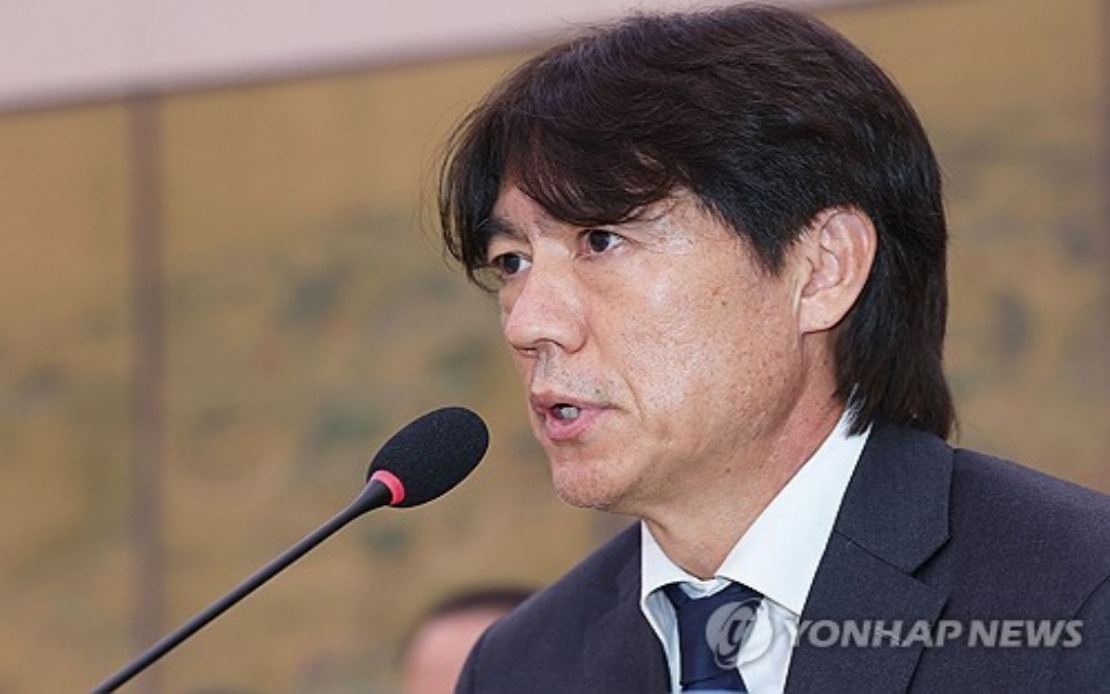
South Korean law enforcement has intensified its investigation into the Korea Football Association by conducting simultaneous raids at the federation's headquarters in Cheonan, located approximately 90 kilometres south of Seoul, as well as at its central Seoul offices. The operation, carried out in early August, forms part of an expanding inquiry into allegations that senior KFA officials improperly manipulated the appointment of Hong Myung-bo as men's national team head coach in July 2024, an unconventional hiring process that has since drawn intense scrutiny from lawmakers, sports officials, and the public.
Hong's tenure with South Korea's national squad came to an abrupt end following the nation's disappointing performance at the FIFA World Cup, where the team failed to progress beyond the group stage. His subsequent rehiring became the focal point of controversy, with observers questioning the legitimacy of the decision-making procedures and the involvement of federation leadership in what should have been an independent technical matter.
Police investigators are now seeking to establish whether former KFA president Chung Mong-kyu and other senior administrators, including erstwhile technical director Lee Lim-saeng, unlawfully interfered in the coaching selection process. The allegations paint a picture of procedural irregularities that circumvented established protocols, raising questions about governance standards within South Korean sports institutions. Critics have alleged that Hong obtained the position without fulfilling customary vetting and evaluation requirements, with reports suggesting that Lee, despite lacking authority over coaching decisions, personally offered Hong the role at a meeting at a bakery situated near Hong's residence—a decidedly informal arrangement for such a significant appointment.
A civic advocacy group has formally lodged complaints accusing Hong and Chung of multiple infractions, including obstruction of official duties, breach of fiduciary trust, coercion, and intimidation. These charges encapsulate the breadth of concerns regarding how the appointment process unfolded and what pressures or irregular practices may have influenced the ultimate decision.
The investigative timeline reveals prolonged official attention to these matters. Police initially commenced their inquiry approximately two years prior to the August raids, suggesting that suspicions about the appointment's legitimacy surfaced almost immediately. However, the investigation gained renewed momentum and public interest following South Korea's premature exit from the World Cup, indicating how sporting failures can illuminate and crystallise broader governance concerns that might otherwise remain dormant.
In a significant development in the investigative process, Hong was questioned as a suspect on Tuesday, underscoring the seriousness with which authorities are treating the allegations and suggesting that investigators believe he may have possessed knowledge of or participated in the irregularities. This marks a notable escalation in the probe's focus, moving beyond documentary analysis to direct interrogation of key figures implicated in the appointment controversy.
The controversy has attracted intense scrutiny from South Korea's parliamentary apparatus. During a legislative hearing conducted in late July, lawmakers directly examined both Hong and Chung regarding a range of issues pertaining to KFA management, organisational transparency, and the specifics of the coaching appointment. Such parliamentary engagement demonstrates how sporting institutions' internal matters can assume national political significance when governance standards appear compromised.
For Malaysian and Southeast Asian observers, this episode underscores the importance of transparent and merit-based institutional processes within national sports federations. The case illustrates how centralised decision-making authority and inadequate checks and balances can erode public confidence in sports organisations, particularly when elite officials appear to operate beyond established accountability structures. Many regional nations have similarly experienced tensions between administrative convenience and procedural integrity in sports governance.
The broader implications extend beyond football. This investigation sends a message about the necessity for professional sports bodies across Asia to implement robust appointment protocols, clear documentation requirements, and independent oversight mechanisms. The involvement of law enforcement in examining KFA decisions suggests that South Korean authorities consider governance failures in sports administration sufficiently serious to warrant criminal investigation, rather than treating them as purely internal or disciplinary matters.
As the investigation proceeds, the case will likely influence discussions about sports federation reform not only in South Korea but potentially across East and Southeast Asia, where similar institutional vulnerabilities may exist. The visibility of this controversy, combined with parliamentary engagement and police enforcement action, creates pressure for demonstrably improved governance practices throughout the Korean football system and potentially serves as a cautionary example for neighbouring nations grappling with comparable challenges in their own sporting institutions.

