South Korean authorities have charged a woman in her 30s with orchestrating an extensive ticket-scalping operation targeting K-pop concerts, in what represents one of the more brazen attempts to circumvent purchase restrictions on one of the entertainment industry's most coveted commodities. The Seoul Metropolitan Police Agency announced the referral to prosecutors on August 26, accusing the suspect of violations spanning the Information and Communications Network Act, obstruction of business, and the Public Performance Act after an investigation spanning several years uncovered a sophisticated automated purchasing scheme.
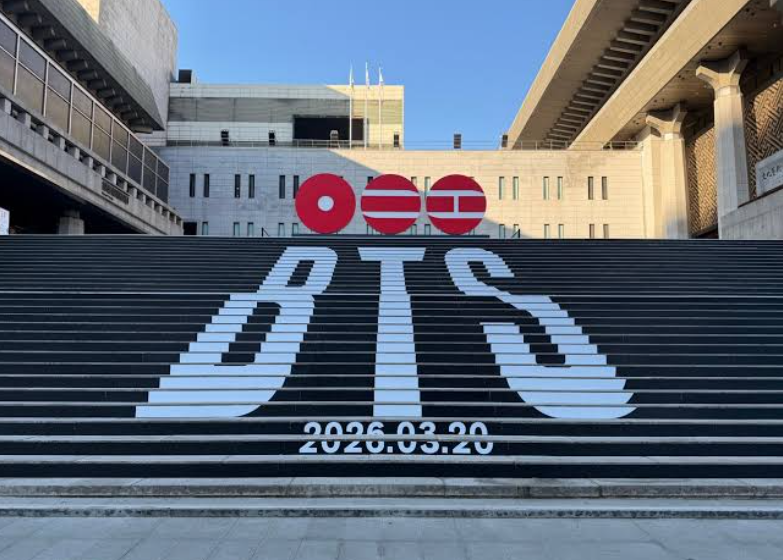
The scale of the operation underscores the enormous demand for K-pop concert tickets in South Korea and the lucrative opportunities available to those willing to exploit system vulnerabilities. Between April 2023 and March 2026, the woman allegedly deployed macro software to automatically purchase approximately 2,600 tickets to performances by major K-pop artists. The scheme proved particularly effective during high-profile events, exemplified by her acquisition of nine tickets to BTS' Gwanghwamun concert, one of the most sought-after shows in recent memory. Police detected this specific transaction during ticket sales in February, just ahead of the March performance date, when heightened monitoring of the ticketing platform had been implemented due to exceptional public demand.
The technical methodology behind the operation reveals how determined scalpers circumvent standard anti-fraud mechanisms designed to protect consumers. By utilising automated software capable of completing transactions far faster than human capacity, the suspect bypassed purchase limits that typically restrict K-pop concert tickets to one or two per person per performance. Crucially, she exploited a fundamental weakness in identity verification systems by creating multiple user accounts registered under the names of family members and acquaintances, effectively creating dozens of separate purchasing personas while circumventing detection. This multi-account approach transformed what would have been a trivial number of tickets into a substantial cache available for resale at marked-up prices.
The financial dimensions of the scheme demonstrate why such operations attract organised participation despite legal risks. Authorities estimate the woman generated approximately 442 million won—roughly US$319,000 at the time of the investigation—in illegal proceeds across her three-year operation. This substantial sum reflects the willingness of K-pop fans to pay premium prices for tickets to performances by their preferred artists, particularly when official channels become sold out within minutes. The profit margins involved reportedly ranged considerably depending on the artist and venue, but represent a significant return on investment compared to the effort required to operate automated purchasing software.
The intervention by police before the suspect could dispose of the nine BTS tickets demonstrates improving coordination between law enforcement and ticketing platforms to identify and halt scalping operations in real time. Following detection in February, authorities moved to prevent the resale of those specific tickets, effectively neutralising that particular transaction. Subsequently, police have sought a pre-indictment seizure and preservation order to prevent the suspect from liquidating or transferring her alleged illegal proceeds before trial, a procedural step designed to ensure that convicted scalpers cannot simply spend their profits before facing financial penalties.
The Seoul case represents merely the most prominent example of a broader problem affecting South Korea's entertainment industry. Police simultaneously announced a separate scalping operation centred in Ulsan, in which a suspect in his 30s was arrested after allegedly developing his own macro programme to purchase more than 1,700 K-pop concert tickets between November 2024 and October 2025. That operation achieved particularly aggressive markups, with tickets resold at prices ranging from three to thirteen times their face value, generating approximately 420 million won in profits. The parallel nature of these cases suggests that automated ticket scalping has evolved into a systematic problem requiring coordinated enforcement efforts across multiple jurisdictions.
The timing of these prosecutions coincides with significant legislative developments aimed at deterring such operations through substantially enhanced penalties. Effective August 28, revised provisions of both the Public Performance Act and the National Sports Promotion Act empower South Korean authorities to impose administrative fines of up to fifty times the face value of illegally resold tickets. This represents a dramatic escalation from previous penalty structures and signals official determination to make scalping economically unviable even for sophisticated operations. For a typical K-pop concert ticket valued at 100,000 to 200,000 won, potential fines could reach 5 million to 10 million won per ticket under the new framework—multiplied across thousands of transactions, the financial exposure becomes genuinely prohibitive.
For Malaysian and Southeast Asian readers, these cases illuminate both the intense competition for K-pop concert access and the technological sophistication increasingly employed in scalping networks. South Korea's experience suggests that even well-resourced enforcement agencies struggle to combat determined scalpers operating across jurisdictions, particularly when they exploit platform vulnerabilities and identity verification gaps. The enhanced penalties now taking effect in South Korea may provide a model for similar legislative responses elsewhere in the region, particularly given the popularity of K-pop concerts across Southeast Asia. However, the persistence of parallel scalping operations despite ongoing police investigations suggests that legal deterrents alone may prove insufficient without concurrent improvements to ticketing platform security.
The broader implication of these prosecutions extends beyond individual criminal liability to raise systemic questions about how entertainment venues and ticketing platforms allocate scarce concert access in markets characterised by overwhelming demand. When ticket supply cannot satisfy consumer appetite, secondary markets inevitably emerge regardless of legal restrictions. The economic incentives driving scalping operations will persist as long as the differential between face-value prices and market-clearing prices remains substantial. South Korean authorities are attempting to suppress the supply side of this equation through enforcement, but sustainable solutions may ultimately require either expanding concert capacity, implementing more sophisticated identity verification at purchase and entry, or adjusting primary market pricing to more closely reflect actual demand—each of which presents distinct practical and political challenges.

