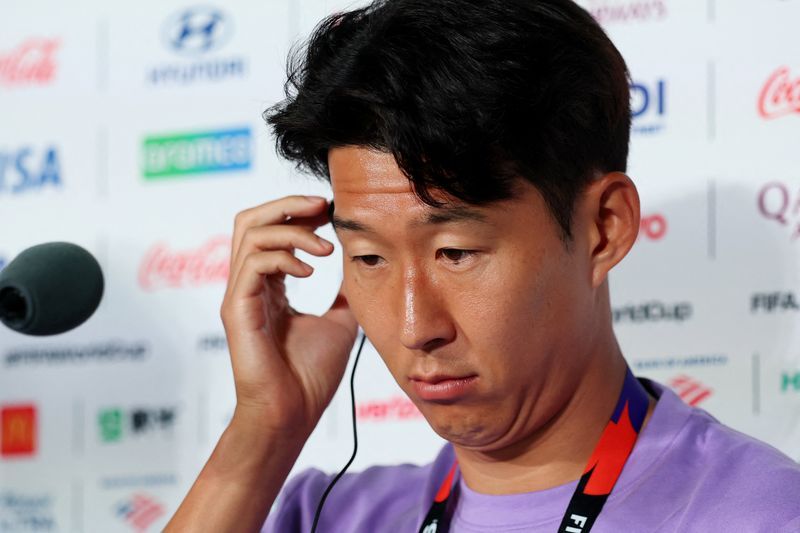
The South Korea national football team has withdrawn from voluntary media engagements at the World Cup following an incident in which journalists allegedly ridiculed captain Son Heung-min's completion of military service obligations. The alleged mockery, caught during a training session at the squad's Guadalajara base camp, has triggered a significant rift between the team and domestic media, prompting the Korea Football Association to issue a formal statement expressing disappointment at what it characterised as inappropriate and unprofessional conduct.
The controversy centred on remarks made about the 33-year-old Tottenham Hotspur forward while he participated in training separately from his teammates. Son's separate training arrangement appears to have prompted commentary from reporters that the KFA deemed offensive and harmful to team morale during a crucial international tournament. The incident highlights the sensitive nature of military service discussions within South Korean society, where the topic carries profound cultural and patriotic significance.
Military service remains one of South Korea's most contentious civic obligations, with all able-bodied men required to complete approximately 21 months of active duty. This requirement exists as a foundational element of the country's defence strategy against North Korea, making it a matter of national security and collective responsibility. The burden of military service has long generated public debate, particularly when elite athletes seek exemptions or deferrals based on international sporting achievements.
The South Korean government and sports authorities have established a merit-based exemption system that recognises exceptional athletic accomplishments. Athletes who secure gold medals at the Olympic Games or win gold at the Asian Games can be excused from their mandatory service obligation. Son and his fellow squad members qualified for this exemption after capturing the gold medal at the 2018 Asian Games in Indonesia, an achievement that granted them legitimate relief from the stringent requirement.
Despite this official exemption pathway, Son voluntarily undertook basic military training during the COVID-19 pandemic in 2020 when the Premier League temporarily suspended operations. His training involved the full spectrum of military conditioning exercises, including exposure to tear gas, live-fire drills, and endurance marches spanning 30 kilometres. This voluntary completion of training demonstrates Son's personal commitment to fulfilling national obligations beyond what was legally required, making the reporters' alleged mockery particularly offensive to the player and his teammates.
The KFA's formal response emphasised the team's dedication to representing South Korea on the global football stage and acknowledged the substantial public expectations and support backing the national squad during World Cup competition. The association's statement characterised the leaked conversations as causing significant shock and disappointment throughout the team environment, effectively communicating to the broader South Korean public that such disrespect toward players could undermine squad cohesion and performance at a critical moment in the tournament.
The football association has specifically requested media organisations to demonstrate greater consideration and professional responsibility in their coverage and interaction with the national team. This appeal reflects institutional frustration with what the KFA views as a breach of professional boundaries and a failure to recognise the distinction between legitimate journalistic scrutiny and personal attacks on individual players. The association has committed to prioritising squad protection and fostering a more constructive media environment going forward, suggesting potential new protocols for media access and conduct.
Notably, while the players have withdrawn from voluntary media appearances, the team remains obligated to fulfil FIFA-mandated media responsibilities. International football's governing body maintains strict requirements for player and team official availability at World Cup tournaments, preventing complete media avoidance. This creates a challenging situation where players must continue engaging with media while managing legitimate grievances about unprofessional conduct, balancing their concerns against FIFA regulations and maintaining required international compliance.
The incident reflects broader tensions within South Korean sports media regarding the boundaries of critical commentary and personal respect. As a society navigating generational shifts in attitudes toward military service, South Korea remains particularly sensitive to public discourse on the topic. When journalists frame military service sarcastically or dismissively, particularly regarding a player who voluntarily fulfilled additional obligations beyond legal requirements, reactions become especially acute. For many South Koreans, military service represents a shared sacrifice and patriotic duty, making mockery culturally resonant and deeply offensive to broader audiences.
This dispute occurs against the backdrop of South Korea's football team competing in a major international tournament where squad focus and morale significantly influence performance outcomes. Media relations fundamentally shape the player experience at such events, affecting concentration and psychological readiness. By choosing to restrict voluntary interactions, the team has registered a clear protest while maintaining their professional tournament obligations, a measured response that underscores management's seriousness without triggering potential FIFA sanctions or regulatory complications.
The situation carries implications extending beyond immediate tournament dynamics. It signals to South Korean media organisations that athlete protection and respect constitute non-negotiable foundations for institutional cooperation. Going forward, the KFA's firmness suggests that similar breaches of professional conduct may result in expanded access restrictions or formal sanctions, potentially reshaping relationships between sports journalists and national teams. For Southeast Asian sports media observing these developments, the incident illustrates how institutional authorities increasingly assert control over media environment conditions, prioritising squad welfare over journalistic autonomy.