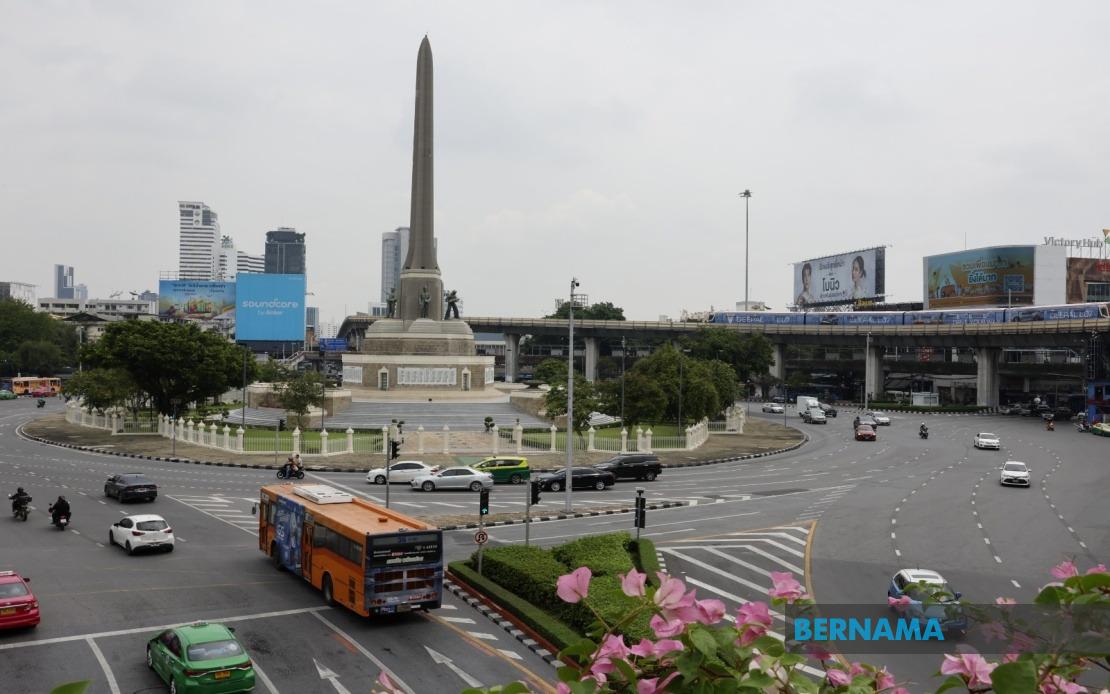
Southeast Asia is navigating a complex intersection of environmental priorities, political transitions and geopolitical concerns as nations within the region implement wide-ranging policy shifts. From marine conservation initiatives to cabinet restructuring and security measures, the bloc's governments are balancing immediate challenges with longer-term strategic objectives that increasingly reflect growing regional interdependencies and external pressures.
Indonesia's collaboration with OceanX represents a significant commitment to marine ecosystem management. The Ministry of Forestry's partnership with the international research organisation aims to enhance how seven marine national parks are administered and protected, signalling Jakarta's recognition that scientific expertise combined with governmental authority is essential for effective conservation. For a nation with extraordinary marine biodiversity and an economy substantially dependent on ocean resources, this initiative addresses both environmental stewardship and economic sustainability. The agreement underscores how Southeast Asian governments are increasingly turning to international research partnerships to improve environmental governance rather than relying solely on domestic capacity.
Meanwhile, Laos is tackling riverine protection with presidential intervention. President Thongloun Sisoulith's directive to strengthen safeguards around the Xong River reflects growing concerns about illegal extraction activities threatening both environmental integrity and tourism-dependent livelihoods. Vang Vieng, a destination of considerable international significance, faces mounting pressures from unregulated mining and inadequate urban planning. This executive action demonstrates how environmental protection and economic interests intersect within tourism-reliant economies, where degradation of natural assets directly threatens revenue streams and employment. The presidential order also signals Laos's intent to apply stricter enforcement standards across resource management sectors.
Lifestyle and consumer protection measures are advancing across multiple Southeast Asian jurisdictions. Myanmar's Consumer Affairs Department mandating Myanmar-language labelling on pre-packed snacks reflects a dual objective of consumer empowerment and health protection. When consumers can easily access ingredient information in their native language, informed dietary choices become possible, particularly important in markets where food safety standards remain uneven. This regulatory step, though seemingly technical, represents movement toward transparent food systems that protect public health while supporting producer accountability.
Livestock product safety has emerged as a regional concern. Korea International Cooperation Agency's US$4.4 million investment in Laos aims to strengthen safety management systems throughout entire production chains, from farming through distribution. Such funding reflects recognition that food safety crosses borders through trade networks, and investing in upstream safety measures protects downstream consumers across the region. This partnership illustrates how development assistance increasingly targets systemic weaknesses rather than isolated projects.
Energy and food security have become paramount concerns driving ASEAN's external engagement. The bloc's meetings with external partners highlight the Middle East crisis as a destabilising force affecting resource availability and pricing across Southeast Asia. For nations with limited domestic energy reserves or food production capacity, external instability in critical resource regions creates cascading vulnerabilities. This has pushed ASEAN to prioritise strategic partnership diversification and supply chain resilience, recognising that economic stability depends on hedging against distant geopolitical shocks.
Political transitions are occurring throughout the region with varying implications for governance continuity. Singapore's Prime Minister Lawrence Wong announced Cabinet changes that deliberately balance experienced administrators with ascending leaders, ensuring institutional memory while enabling generational renewal. This measured approach to power succession reflects institutional maturity, though the careful choreography underscores how sensitive such transitions remain. The announcement of Singapore's ranking as holder of the world's most powerful passport—offering visa-free or visa-on-arrival access to 192 destinations—reinforces its regional economic and diplomatic standing, a soft power advantage that compounds its strategic influence.
Thailand's appointment of Pol Gen Samran Nuanma as the nation's 16th national police chief follows unanimous Police Commission endorsement. His succession of Pol Gen Kitrat Phanphet, retiring September 30, represents continuity in law enforcement leadership at a critical moment for regional security. Thailand's centrality to Southeast Asian trade and transit networks makes police professionalism essential for maintaining the stability upon which regional commerce depends. The unanimous approval suggests broad consensus regarding his qualifications, though Thailand's broader political context remains complex.
Philippine authorities confronted extreme weather challenges, with Zamboanga City suspending classes across all educational levels due to severe weather conditions. Such disruptions illustrate the region's vulnerability to climate-related events and the cascading effects on economic productivity, education continuity and social stability. These weather events, increasingly frequent and severe, underscore climate adaptation as an urgent rather than aspirational priority for Southeast Asian policymakers.
Indonesia's deportation of Palestinian national Abdul Karim Raed Miqdad, based on an Interpol red notice from Cyprus, reflects complex security considerations within increasingly globalised enforcement frameworks. The government's clarification that the individual was neither activist nor preacher signals Jakarta's attempt to distinguish security operations from political or religious targeting, though such distinctions remain contested in public discourse. This case illustrates how domestic security decisions intersect with international law enforcement mechanisms and carry implications for regional stability.
Myanmar and Vietnam have reaffirmed bilateral cooperation commitments, pledging to strengthen tourism, trade, investment and economic development initiatives. Such pronouncements, while often formulaic in diplomatic contexts, carry significance for regional integration efforts. Enhanced Indochinese Peninsula connectivity supports broader Southeast Asian economic development while potentially reducing dependencies on external powers. Tourism and investment promotion serve as non-threatening mechanisms for deepening relations between nations with sometimes complicated historical trajectories.
Transport infrastructure improvements have progressed in Thailand, with the Airport Rail Link resuming full service after officials cleared a derailed train from its Khlong Tan depot. Airport connectivity represents critical infrastructure for regional economies dependent on tourism and time-sensitive business travel. Rapid resolution of service disruptions demonstrates infrastructure resilience, though the incident itself underscores maintenance challenges facing modernised transport systems operating under demanding conditions. Bangkok's emergence as a regional transport hub depends on maintaining reliability across multiple infrastructure systems.
Across Southeast Asia, patterns emerge of governments balancing environmental sustainability with economic development, strategic partnerships with national autonomy, and institutional continuity with necessary generational transitions. Marine conservation, energy security, food safety and political leadership transitions collectively reflect the region's maturation as an economic bloc while remaining vulnerable to external shocks and internal pressures requiring constant policy calibration.

