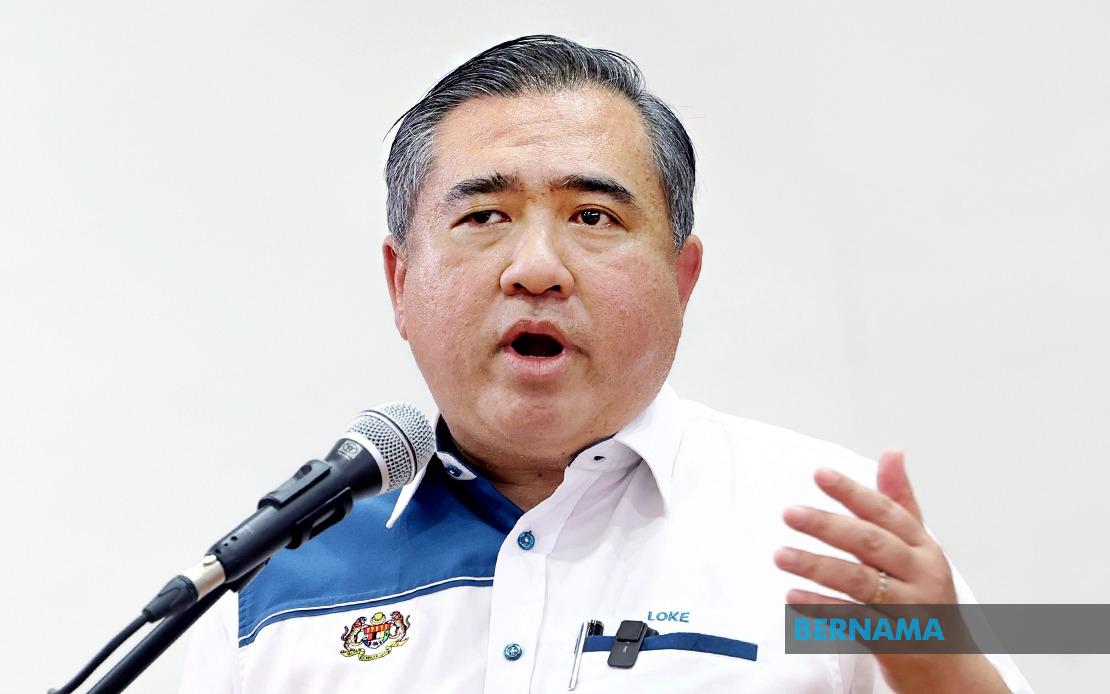
The Southern Shuttle rail service connecting Kulai, Johor Bahru Sentral, and Pasir Gudang will transition from diesel to modern electric trains once a new fleet arrives in the coming years, according to Transport Minister Anthony Loke. The decision to continue operating with existing diesel-powered trains reflects a deliberate choice to provide immediate transport solutions to Johor residents rather than delay service implementation by two to three years while new Electric Multiple Unit (EMU) trains are manufactured and delivered. This pragmatic approach prioritizes accessibility over waiting for technological upgrades, a consideration particularly relevant for a developing transport corridor in Malaysia's southern region.
The Ministry of Transport has committed substantial financial support to the Southern Shuttle initiative, allocating between RM11 million and RM15 million annually in subsidies. This investment demonstrates the government's determination to expand affordable rail-based public transportation options and reduce reliance on private vehicles across the Johor region. The subsidy framework ensures that operational costs remain manageable while the service establishes itself and builds ridership momentum during the transition period. For Malaysian commuters accustomed to comparing transport costs across different regions, the financial backing represents a significant commitment to equitable regional development.
Once the Gemas-Johor Bahru electrified double-tracking project reaches completion, the Southern Shuttle will be fully integrated with the modern Electric Train Service (ETS) network. This infrastructure upgrade will eliminate the need for diesel locomotives entirely, replacing them with contemporary electric trains that offer superior efficiency, reduced environmental impact, and enhanced passenger comfort. The planned transition represents a substantial investment in regional rail modernization that extends beyond the Southern Shuttle itself, creating a comprehensive upgraded corridor between the Selangor-Pahang border and Johor Bahru. For Southeast Asian transport development, such electrification projects demonstrate Malaysia's commitment to sustainable infrastructure investment.
The current service offers measurably improved journey times for commuters across the corridor. The route from Kulai to Johor Bahru Sentral operates with approximately 40-minute transit times, while the Kempas Baru to Pasir Gudang segment requires between 40 to 45 minutes. These compressed travel times represent significant improvements over previous options and position the Southern Shuttle as a competitive alternative to road transport for many daily commuters. The reliability and speed of rail services, even when operating with diesel traction, provide advantages that justify investment in frequency and coverage expansion.
A noteworthy aspect of the Southern Shuttle's development involves the repurposing of the Kempas Baru-Pasir Gudang route from exclusive freight operations to dual passenger-freight services. Opening this previously cargo-dedicated line to passenger traffic represents efficient infrastructure utilization and demonstrates pragmatic approaches to maximizing the utility of existing transport networks. Many developing regional rail systems struggle to balance freight efficiency with passenger accessibility; the Southern Shuttle model offers a case study in managed integration that other Southeast Asian transport authorities may consider.
Criticism regarding fare structures has emerged from certain quarters, with observers noting that Southern Shuttle fares are approximately three times higher than comparable services in Kuala Lumpur and Selangor or Negeri Sembilan. This fare differential reflects various factors including infrastructure maturity, operational economies of scale, and regional cost structures. The subsidies provided by the Ministry of Transport help mitigate these differences, but the pricing structure warrants monitoring as the service matures and ridership volumes increase. Transport policy analysts in Malaysia will likely scrutinize whether fare adjustments become possible as operational efficiencies develop.
The deployment of temporary diesel train sets addresses immediate operational requirements while longer-term capital investments proceed. Ordering and manufacturing ten new EMU train sets involves extended procurement timelines, regulatory compliance, testing protocols, and integration planning that cannot be substantially accelerated. By utilizing existing rolling stock, the ministry has managed to balance the competing pressures of capital expenditure timelines and public expectations for service availability. This operational approach reflects realistic constraints within Malaysia's transport development framework.
For Johor residents and commuters, the Southern Shuttle represents expanded transport optionality that was previously unavailable. The service covers suburban and industrial areas that had limited public rail connectivity, addressing a genuine gap in the transport network. The commitment to eventually upgrade to modern EMU trains provides assurance that today's passengers are not accepting permanent technological obsolescence but rather participating in an intermediate phase of a longer-term modernization program. This messaging proves crucial for building public confidence in evolving transport infrastructure.
Regional implications of the Southern Shuttle development extend beyond Johor's immediate needs. Successful implementation of improved rail connectivity in Malaysia's southern corridor establishes precedents for transport development in other regions and demonstrates feasibility of coordinating passenger and freight operations on shared infrastructure. The Gemas-Johor Bahru electrified double-tracking project, when completed, will enhance not only the Southern Shuttle but the entire regional transport network's capacity and efficiency. These investments contribute to Malaysia's broader Southeast Asian positioning within regional economic and transport integration frameworks that emphasize connectivity and sustainable mobility.
The progression from temporary diesel operations toward modern electric trains encapsulates contemporary transportation development philosophy: delivering immediate benefits while planning for sustainable long-term infrastructure. Transport Minister Loke's public communication regarding this transition strategy demonstrates awareness that stakeholder engagement requires transparent explanation of both current operational realities and future enhancement commitments. As the Southern Shuttle service establishes itself over coming years, the planned transition to EMU trains will represent a tangible return on both the interim operational investments and the larger electrification infrastructure project underway across the region.

