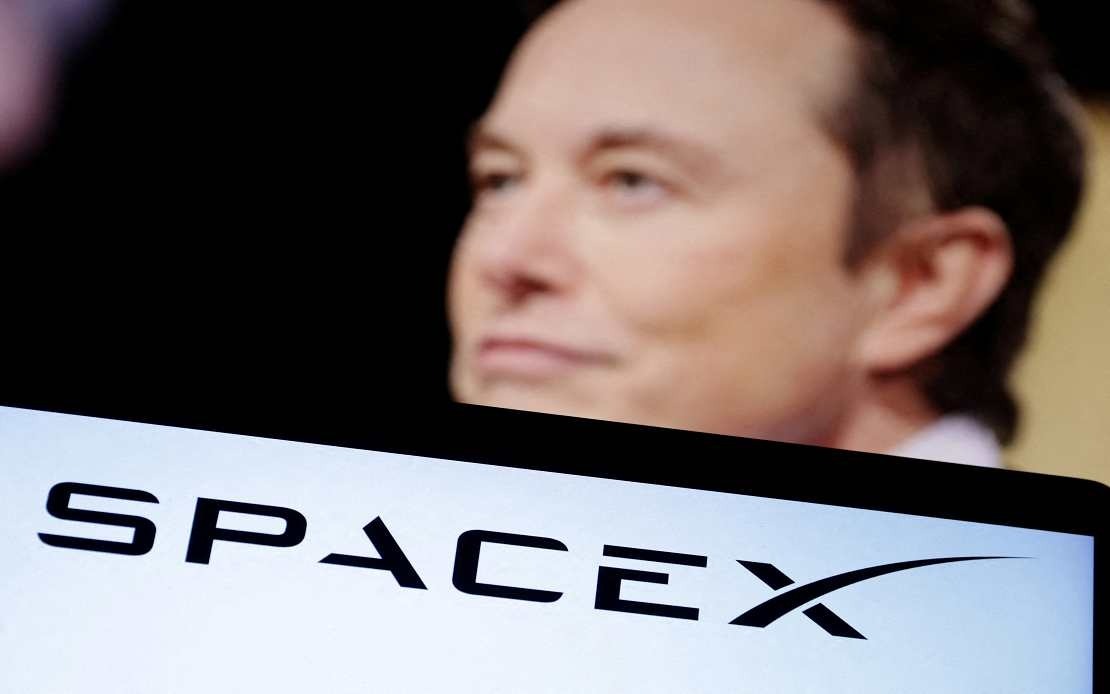
Elon Musk's space venture SpaceX has posted a net loss of US$541 million for the quarter that culminated in the company's historic initial public offering, marking an improvement from the approximately US$1 billion shortfall recorded in the same period a year earlier. The figures underscore the peculiar financial reality facing the world's most valuable private aerospace company: despite generating record revenues, SpaceX continues to burn through substantial capital as it pursues transformative technologies and market expansion.
The company's financial trajectory tells a more nuanced story than headline losses might suggest. Top-line revenue climbed dramatically to US$7.8 billion, representing a 92 per cent jump from the corresponding quarter in the prior year and substantially exceeding analyst consensus expectations of approximately US$6.9 billion. This outperformance reflects SpaceX's expanding commercial footprint and the maturing profitability of its core business lines, even as the company simultaneously invests heavily in future capabilities.
Starlink, the satellite internet constellation operated by SpaceX, continues to function as the primary wealth generator for the company. During the quarter under review, Starlink's revenue reached around US$4.3 billion, demonstrating growth of nearly 67 per cent compared to the previous year. The service has achieved particular traction in sectors requiring reliable global connectivity, notably securing an expanding roster of airline customers who are deploying the service to offer in-flight broadband. This diversification beyond traditional telecommunications channels represents a significant strategic win for the venture.
Subscriber acquisition for Starlink has accelerated meaningfully, with the customer base expanding from 10.3 million to 12 million users within the three-month reporting interval. The pace of growth underscores the global demand for high-speed satellite internet, particularly in regions underserved by terrestrial broadband infrastructure. For Southeast Asian policymakers monitoring global telecommunications trends, Starlink's expansion illustrates the competitive pressures emerging in the connectivity space and the strategic importance of satellite infrastructure as a complement to traditional network deployment.
Operating profit improvements reinforce the narrative of business maturation within SpaceX's established revenue streams. Operating income rose 80 per cent to approximately US$1.66 billion, demonstrating that the company's core satellite internet operations are becoming increasingly efficient and profitable. The divergence between strong operating results and net loss reflects the reality that SpaceX's corporate structure involves substantial non-cash charges and the absorption of development costs for future-generation products.
Looking forward, SpaceX is preparing to introduce a capability that could fundamentally alter competitive dynamics in the mobile telecommunications sector. The company plans to leverage new satellites to enable direct smartphone connectivity to the Starlink network, bypassing traditional telecom infrastructure. This initiative positions SpaceX in direct competition with established telecommunications operators and could reshape how mobile services are delivered in regions with sparse ground-based network coverage. The implications for telecom regulators and operators across Southeast Asia merit careful attention, as such service offerings could eventually reach regional markets.
The company's June IPO represented an extraordinary capital-raising achievement, with the offering generating US$75 billion and establishing SpaceX with an initial valuation approaching US$1.8 trillion at the US$135 offer price. The valuation differential between market expectations and current financial performance reflects investor conviction regarding SpaceX's long-term strategic positioning, particularly around artificial intelligence integration and emerging space-based applications. However, the reality of public market scrutiny has proven sobering for shareholders.
Post-IPO share price movement reveals the gap between initial enthusiasm and market-driven reassessment. Following the debut, retail investor momentum propelled the stock toward US$225 in the weeks subsequent to listing. However, subsequent trading has reversed those gains substantially, with shares closing the Tuesday trading session at approximately US$125, below the initial offering price. The eight per cent decline registered in after-hours trading following earnings disclosure suggests continuing investor caution regarding the timing of profitability relative to the elevated valuation multiples implied by the IPO.
Additional downward pressure on the stock price may materialise when the customary lock-up period expires on Thursday, permitting company insiders and early venture investors to liquidate their shareholdings. The potential influx of supply from these shareholders, who purchased at significantly lower valuations, could exert meaningful selling pressure and warrant careful monitoring by portfolio managers.
Beyond financial metrics, SpaceX's strategic importance to American space ambitions has become institutionalised. The company now serves as the primary launch provider for United States national security and civilian space operations, making it integral to national strategic interests. This dependency underscores why SpaceX commands premium valuations despite near-term profitability challenges.
The company's most substantial capital deployment initiative remains the development of the Starship vehicle, a fully reusable super-heavy-lift launch system currently undergoing developmental test flights. Once operational, Starship promises to substantially reduce the per-kilogram cost of delivering payloads to orbit, potentially transforming the economics of space commerce and exploration. The financial losses evident in current reporting reflect, in substantial part, the massive research and development expenditures required to bring this transformative technology to maturity.
For regional observers, SpaceX's trajectory illustrates several important dynamics reshaping the global technology and infrastructure landscape. The emergence of private companies capable of executing national-scale missions, the convergence of space technology with terrestrial telecommunications, and the willingness of capital markets to fund long-duration technology development despite near-term losses all reflect structural shifts in how critical infrastructure is being built and financed globally.

