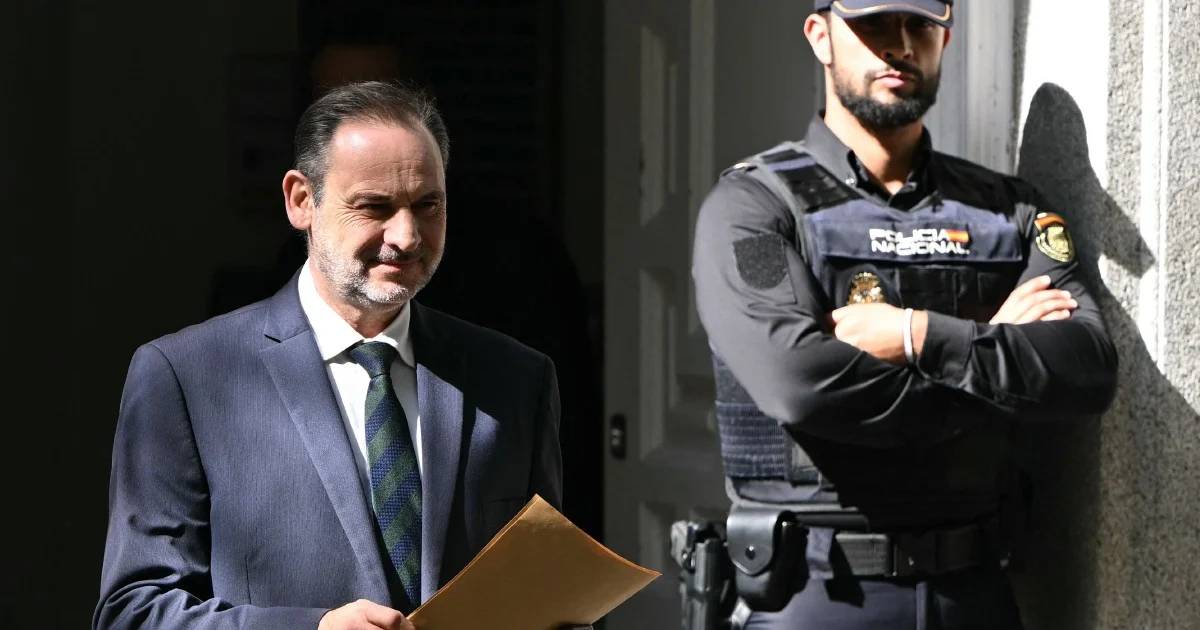
Spanish judicial authorities have delivered a significant blow to Prime Minister Pedro Sanchez's administration by sentencing Jose Luis Abalos, the former transport minister and one of the premier's most influential deputies, to 24 years in prison for corruption-related offences. The Madrid court's Monday ruling represents a watershed moment for Spanish politics, exposing vulnerabilities within the government's upper echelons and raising uncomfortable questions about oversight and accountability at the highest levels of state.
Abalos held considerable sway within Sanchez's cabinet during his tenure, wielding influence over Spain's transport portfolio and serving as a trusted confidant of the prime minister. His conviction marks the first time such a senior figure from the current governing administration has faced substantial custodial sentencing, amplifying concerns among both political observers and the Spanish electorate about governance standards. The substantial jail term reflects the gravity of the charges and the court's assessment of the severity of his transgressions.
The sentence carries particular resonance across Europe, where corruption within executive circles remains a persistent challenge to democratic institutions. Spain's judiciary has increasingly demonstrated willingness to prosecute high-ranking officials, signalling that no position shields individuals from legal scrutiny. This judicial independence has become integral to maintaining public confidence in both legal systems and political frameworks throughout the continent. The Abalos case exemplifies how courts can act as counterbalances to executive power, enforcing accountability mechanisms that protect democratic principles.
For Malaysian readers and Southeast Asian observers, this development offers instructive parallels regarding institutional checks on governmental power. Nations across the region continue strengthening anti-corruption frameworks and judicial independence, drawing lessons from European experiences. Spain's demonstrated capacity to prosecute a prime minister's close collaborator underscores the importance of robust enforcement institutions and transparent legal processes that transcend political loyalties. Such precedents influence policy discussions in developing democracies navigating their own anti-corruption reform agendas.
Abalos' fall from prominence within the Sanchez government reflects broader patterns of political upheaval in contemporary Spain. His position as transport minister granted him oversight of substantial public resources and significant decision-making authority over infrastructure contracts and procurement processes. The nature of his corruption charges suggests potential misuse of ministerial discretion or breach of fiduciary obligations—categories of offence that resonate globally as authorities worldwide grapple with preventing abuse of official positions.
The conviction potentially impacts Sanchez's political standing, though the prime minister himself faces no direct legal consequences from this ruling. Nevertheless, the association with a convicted aide invariably affects public perception and may complicate the government's narrative regarding governance integrity. Opposition parties will undoubtedly leverage this development to challenge the administration's credibility, creating additional pressure within Spain's fractious parliament where the government depends on fragile coalition arrangements to maintain its majority.
Spain's experience with high-level corruption convictions demonstrates institutional resilience despite such scandals. The Madrid court's independent functioning, unobstructed by political interference, validates Spain's constitutional framework and represents a counternarrative to global concerns about democratic backsliding. European Union membership and integration within multilateral institutions reinforce Spain's commitment to upholding legal standards, though each corruption case tests public patience with political elites.
The implications extend beyond Madrid's political sphere into broader European governance discussions. Spain joins other EU nations in confronting ministerial corruption, each case contributing to evolving standards regarding ministerial conduct and accountability. These accumulated precedents establish normative expectations that permeate European bureaucracies and influence civil service training, ethical guidelines, and institutional cultures throughout member states.
For Abalos personally, the 24-year sentence represents not only loss of liberty but complete professional termination and potential financial penalties. Former senior officials rarely rehabilitate their public standing following such convictions, effectively ending their political careers and professional prospects. The personal dimension of such consequences often deters prospective wrongdoers more effectively than abstract legal frameworks, creating reputational incentives for official conduct even beyond formal legal prohibitions.
The ruling concludes a legal process that has extended over considerable time, during which Abalos maintained his protestations of innocence. Spanish courts deliberated extensively before determining the evidence substantiated the corruption allegations, suggesting neither hasty judgment nor prosecutorial overreach but rather measured judicial assessment. This methodical approach, though lengthier than some prefer, strengthens confidence that resulting convictions rest upon solid evidentiary foundations rather than political manipulation.
Observers across Spain and internationally will monitor whether Abalos pursues appellate remedies or accepts the conviction. Appeals could extend legal proceedings further, potentially creating additional political complications for the Sanchez government. The ultimate resolution will likely influence public discourse surrounding governmental accountability and may prompt reforms addressing systemic vulnerabilities that enabled Abalos' alleged transgressions.

