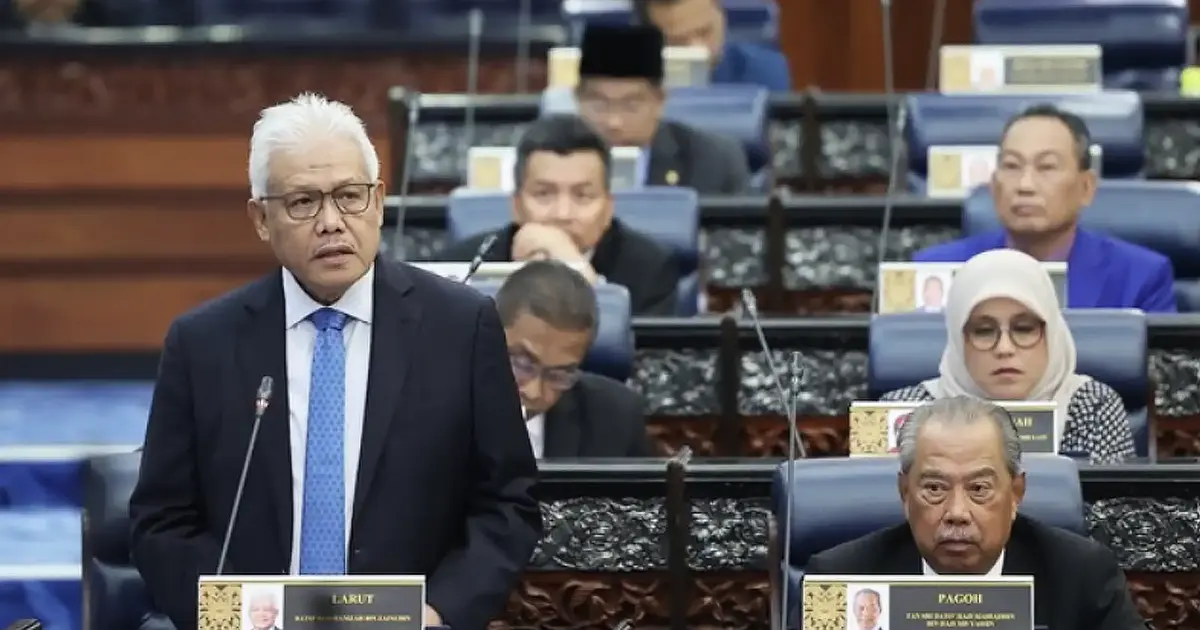
Dewan Rakyat Speaker Johari Abdul has revealed that Muhyiddin Yassin, the former Prime Minister, made a formal request for a change in his parliamentary seating position, marking an unusual procedural matter that highlights ongoing shifts in Malaysia's fractious political landscape. The disclosure came as the Speaker simultaneously confirmed receipt of official documentation designating Hamzah Zainudin, the Larut Member of Parliament, as the opposition leader—a formal recognition that carries constitutional significance for parliamentary proceedings and opposition-related privileges.
The request from Muhyiddin represents a notable development given his prominent position within the current political structure. As a senior opposition figure and former head of government, his decision to seek a different seat in the chamber suggests potential strategic repositioning as Malaysia's political alliances continue their fluid state. Such seating adjustments, while appearing procedural on the surface, often reflect broader political calculations and the need to recalibrate positions following fluctuations in coalition strength or internal party dynamics.
Johari's confirmation of Hamzah's formal status as opposition leader carries particular weight in Malaysian parliamentary convention. This official designation entails specific parliamentary entitlements, including priority in debate scheduling, extended speaking time on key matters, and formal recognition as the principal alternative government. The receipt of official written confirmation demonstrates that proper procedural channels have been followed, lending legitimacy to Hamzah's claim and establishing the foundation for opposition activities moving forward.
Hamzah Zainudin's elevation to opposition leader status reflects the broader realignment occurring within Malaysia's opposition bloc. As leader of the opposition, he assumes responsibility for co-ordinating opposition strategy, articulating alternative policy positions, and maintaining parliamentary scrutiny of government decisions. For Southeast Asian observers, Malaysia's opposition leadership dynamics warrant attention given the region's broader democratic trends and the ongoing contests between different political coalitions seeking voter endorsement.
The backdrop to these parliamentary manoeuvres involves the complex tapestry of Malaysian coalition politics, where various parties have repeatedly shifted alliances following electoral outcomes and internal recalibrations. The designation of a clear opposition leader through formal procedures represents an attempt to bring structure to an opposition that has comprised multiple parties and factions with sometimes divergent interests and strategies.
Muhyiddin's separate request regarding seating arrangements points to the tactical considerations that guide senior politicians' parliamentary positioning. In the chamber, physical placement carries symbolic significance beyond mere comfort—it influences visibility during televised proceedings, proximity to frontbench opposition speakers, and general parliamentary positioning. Longtime observers of Malaysian politics recognise that such seemingly minor adjustments often signal shifting alliances or changing roles within parliamentary groupings.
The Speaker's role in managing such requests underscores the importance of the office in maintaining parliamentary order and facilitating the procedural mechanisms that enable effective parliamentary function. Beyond merely chairing debates, the Speaker oversees the practical arrangements that structure parliamentary life, from seating configurations to speaker allocation, all of which require careful consideration of parliamentary protocol and political sensitivities.
For Malaysian political analysts, these developments illustrate the ongoing fluidity that characterises the country's post-election environment. The opposition continues navigating the challenge of maintaining cohesion across different parties and ideologies whilst simultaneously building credible alternative governance narratives. Hamzah's formal recognition as opposition leader provides a focal point for these efforts, potentially streamlining opposition co-ordination and providing clearer parliamentary messaging to the electorate.
Regional political observers note that Malaysia's parliamentary dynamics reflect broader Southeast Asian patterns where coalition governments and opposition blocs constantly recalibrate their positions in response to shifting electoral mathematics and voter sentiment. The formal procedures surrounding opposition leadership recognition and parliamentary seating arrangements demonstrate the institutional frameworks through which these political adjustments receive official sanction.
Muhyiddin's parliamentary status remains significant given his previous tenure as Prime Minister and his continued influence within opposition circles. His request for seating changes, whatever the underlying strategic motivations, will likely receive attention from political commentators seeking to interpret shifting internal opposition dynamics and Muhyiddin's positioning within opposition hierarchies going forward.
The Speaker's confirmation of Hamzah's status establishes clear parameters for opposition engagement with government during parliamentary sittings. This formal recognition enables the opposition to exercise its constitutional prerogatives more effectively whilst providing the government with a clearly defined principal opposition interlocutor. Such clarity benefits parliamentary functioning and contributes to more structured political discourse, even as Malaysia's underlying coalition dynamics remain subject to ongoing change and negotiation.

