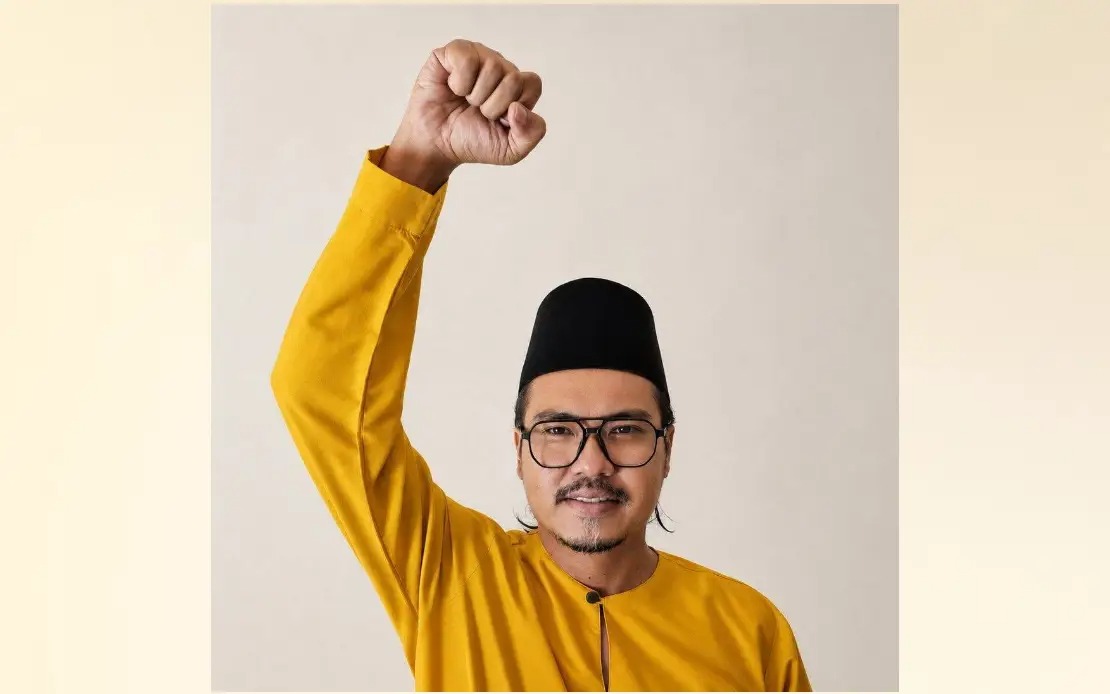
Independent candidate Islah Wahyudi Zainudin will appear before the Sepang Sessions Court on August 11 to face charges connected to a social media post, casting a shadow over his campaign bid for the Sri Tanjung seat in the Negeri Sembilan state election. The 46-year-old received formal notification of the charge from a Malaysian Communications and Multimedia Commission (MCMC) officer who visited his residence yesterday afternoon, delivering the legal summons that will require his court appearance.
The charge relates specifically to content Islah posted on Instagram in January, though the exact nature of the post and the specific allegations remain undisclosed in the notification process. Islah confirmed his receipt of the charge notice and acknowledged the legal procedure he must now follow, demonstrating a measured response to a development that could complicate his electoral prospects during a critical campaigning period. Despite the legal proceedings looming ahead, he has indicated that he intends to maintain his campaign momentum across Negeri Sembilan, refusing to allow the court matter to derail his electoral efforts.
The charge has been filed under Section 233 of the Communications and Multimedia Act 1998, a provision that addresses offences related to improper use of network facilities for purposes including making false, indecent, or menacing communications. This legislative framework has increasingly been invoked during election cycles across Malaysia, raising ongoing debates about the balance between protecting citizens from harmful online content and preserving political speech freedoms. The timing of the charge delivery, occurring during the active campaign period, adds another layer of complexity to an already competitive contest.
The Sri Tanjung constituency presents a complex five-way battle that reflects Malaysia's increasingly fragmented political landscape. Islah faces formidable competition from Datuk Dr G. Rajasekaran, the incumbent candidate representing Pakatan Harapan and seeking to retain the seat for the opposition coalition. Barisan Nasional has fielded A. Achuthan as its standard-bearer, representing the traditional ruling alliance still working to rebuild its electoral credibility. Parti Pribumi Bersatu Malaysia, led by former Prime Minister Muhyiddin Yassin, has nominated M. Leevineshwaraan as its candidate, positioning itself as an alternative to both coalitions. Completing the field is fellow Independent candidate Datuk A. Saravanan, creating a rare scenario where the independent category itself is split.
This multi-candidate scenario significantly impacts the electoral mathematics for the seat. With five serious contenders, the winning margin could be substantially lower than in traditional two-candidate races, potentially favouring candidates with concentrated voter bases or geographic strongholds. The presence of two independent candidates, including Islah, suggests that local grievances or individual political personalities hold particular sway among Sri Tanjung voters, reflecting a broader trend across Malaysia of candidates running outside traditional party structures.
The Negeri Sembilan state election represents an important electoral event within Malaysia's broader political cycle, offering early indicators of voter sentiment and the effectiveness of different political messaging strategies ahead of national-level contests. The state has historically been a battleground between major coalitions, and the emergence of competitive independent candidates indicates that the political ground has shifted even in traditionally consolidated electoral areas. For independent candidates particularly, navigating legal challenges while simultaneously mounting competitive campaigns presents considerable tactical and logistical difficulties.
Islah's situation highlights an emerging issue in Malaysian electoral politics: the intersection of online expression and campaign activities. As political engagement increasingly occurs through social media platforms, candidates and supporters find themselves operating within complex legal frameworks that can be interpreted differently depending on context and intent. The Communications and Multimedia Act provisions have been subject to criticism from press freedom advocates and opposition politicians who argue that enforcement can be selective and politically motivated, particularly during election periods when authorities have heightened scrutiny of political figures.
The timing of Islah's court appearance on August 11 falls ten days after the scheduled polling date of August 1, meaning he will contest the election while facing an outstanding court case. This arrangement, while legally permissible, creates an unusual campaign dynamic where voters must weigh candidate competence against legal complications. The Election Commission has scheduled early voting for July 28, compressed within a relatively short campaign window that benefits candidates with established political organisations and resources.
For Sri Tanjung voters, Islah's legal challenge adds a consideration beyond policy platforms and political alignment. Some constituents may view the charge as relevant to candidate character and judgment, while others may regard it as an attempt to disadvantage an independent competitor. The broader implications extend to Malaysia's electoral environment, where the increasing use of MCMC enforcement actions against political figures continues to generate debate about due process and the politicisation of communications law.
Islah's response to the summons—accepting the legal process while continuing his campaign—reflects a pragmatic approach that acknowledges both the seriousness of the charge and his electoral ambitions. His decision to proceed with campaigning suggests confidence in either the merits of his case or the resilience of his voter support. Nevertheless, the court date occurring after polling day means Sri Tanjung voters will elect their representative without final legal resolution of this matter, an outcome that may influence how they evaluate independent candidates and their viability in competitive multiway contests.

