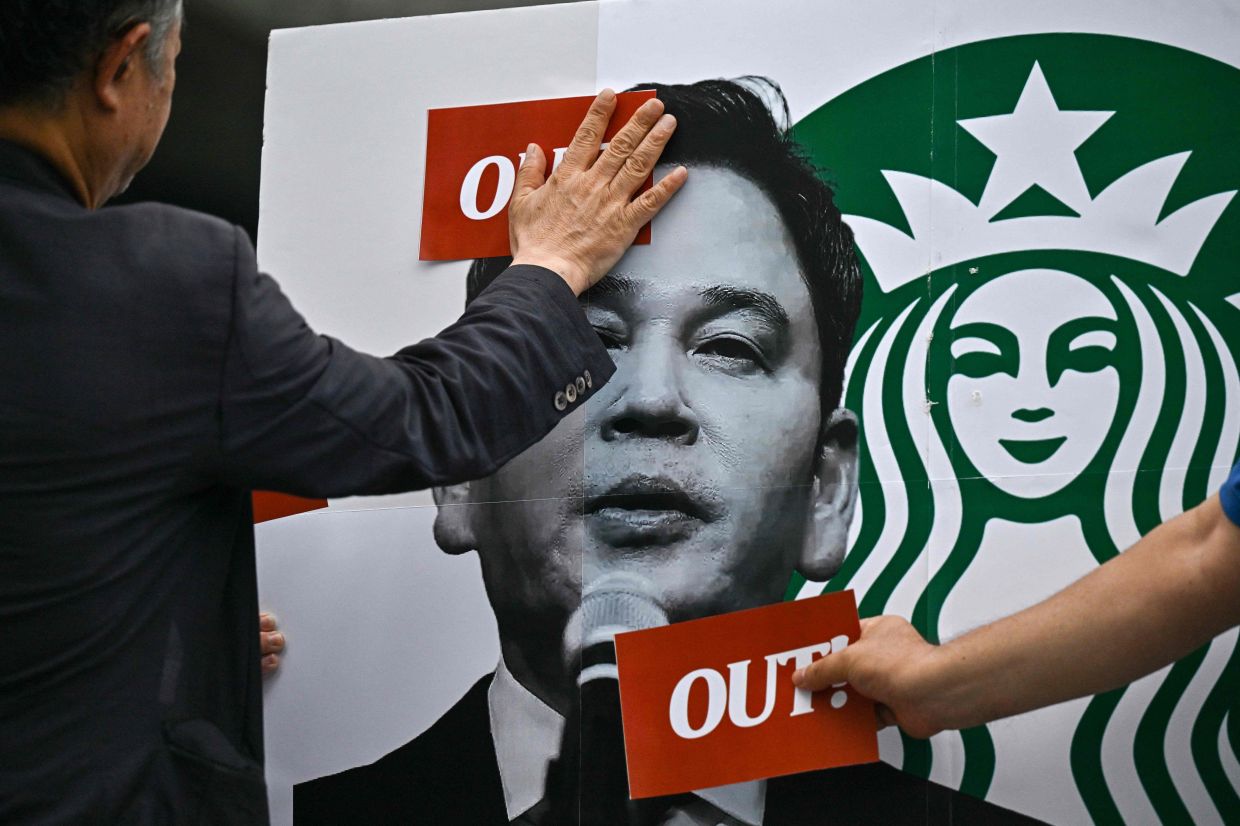
South Korean authorities have intensified their investigation into one of the country's most culturally insensitive corporate blunders, with police questioning Yang Jong-hwan, the head of audit for Shinsegae Group, which operates Starbucks Korea. The interrogation stems from a promotional campaign launched last month that generated significant controversy across the nation and drew criticism from the highest levels of government, highlighting the enduring sensitivity surrounding historical trauma in South Korean society.
The bungled initiative, branded as "Tank Day" to promote reusable cups, was scheduled for May 18—a date that carries profound meaning for millions of South Koreans. This timing proved catastrophically insensitive, as the day marks the anniversary of the 1980 Gwangju uprising, a pivotal moment in the country's democratic struggle when military forces violently suppressed pro-democracy demonstrators. Official records indicate 165 people died in the crackdown, though historians and survivor groups have long contended the actual death toll was significantly higher, a contention that underscores why the commemoration remains emotionally charged decades later.
The scandal unfolded with remarkable speed once public awareness took hold. Shinsegae Group, the parent company overseeing Starbucks Korea's 2,000-plus locations nationwide, moved swiftly to contain the damage by terminating its Korea chief executive on the very day the controversy erupted. Chung Yong-jin, the group's chairman, subsequently made a formal public apology, attempting to mitigate the fallout. These immediate steps reflected the severity with which corporate leadership recognized the cultural transgression and the potential threat to the company's reputation and market position.
However, the company's damage control efforts could not prevent escalation through the legal system. A civic organisation filed a formal complaint against Chung and other senior executives, alleging violations of South Korea's 2016 memorial law that specifically prohibits the dissemination of false or distorted information concerning the 1980 democratic uprising. The complaint additionally charged the executives with defamation and insult, introducing multiple legal jeopardy dimensions that extend well beyond corporate liability into criminal territory. This development demonstrates how historical memory and commemorative law have become entrenched in South Korea's legal framework, reflecting broader societal commitment to preserving accurate historical narratives.
The investigation revealed systemic operational failures within the company. Internal review findings identified multiple points of negligence in the campaign's approval process, including instances where senior officials authorised promotional materials without conducting proper design verification. Such oversights suggest either a troubling disconnect between senior management and operational oversight, or an inadequate respect for the significance of historical dates within corporate decision-making structures. The revelation of these procedural failures has raised questions about corporate governance standards, particularly for major retailers operating in culturally sensitive markets.
Public reaction extended beyond social media criticism to tangible economic consequences. The operator disclosed that the early days following the scandal's eruption witnessed a "sharp decline in sales," indicating that consumer sentiment directly translated into measurable business impact. This market response underscores the connection between corporate social responsibility and commercial success in contemporary South Korea, where consumers increasingly vote with their wallets on matters of cultural sensitivity and historical respect.
Public accountability measures are now underway at multiple levels. Beginning on Monday, Starbucks Korea stores nationwide will close for half a day to allow staff to participate in educational sessions focused on the 1980 Gwangju uprising and its historical significance. This represents both a corrective measure and a broader commitment to historical literacy. Two days later, Chung and other senior executives will participate in similar educational programmes, signalling that accountability extends to the highest tiers of company leadership. Such mandatory education initiatives have become increasingly common following corporate scandals in South Korea as companies attempt to rebuild public trust through demonstrated commitment to historical understanding.
The prominence of South Korea within Starbucks' global operations amplifies the significance of this controversy. As the American coffee chain's third-largest market internationally, surpassed only by the United States and China, South Korea represents substantial business importance. The Gwangju uprising scandal therefore carries implications beyond the single market, potentially affecting corporate strategy and sensitivity protocols across Starbucks' Asia-Pacific operations and serving as a cautionary reminder of the importance of cultural competency in multinational corporate management.
The incident resonates within broader Southeast Asian contexts as well. Regional markets similarly contain sensitive historical commemorations and collective memories that corporations must navigate with appropriate awareness. The case illustrates how insufficient diligence regarding local historical consciousness can rapidly transform corporate decisions into sources of public controversy, affecting brand reputation across culturally connected markets throughout the region.
President Lee Jae-myung's public condemnation of the promotion as "inhumane and disgraceful conduct" indicates that the controversy has registered at the highest political level, reinforcing the seriousness with which South Korean leadership views the incident. This official response demonstrates that issues surrounding the 1980 Gwangju uprising continue to maintain significant political salience and remain areas where corporate missteps can provoke coordinated institutional response.
The ongoing police investigation, combined with legal complaints and mandatory educational measures, suggests that the ramifications of this promotional campaign will extend well into coming months. Whether charges are ultimately filed and how potential convictions might affect Starbucks Korea's operational future remain to be determined as authorities pursue their inquiries.

