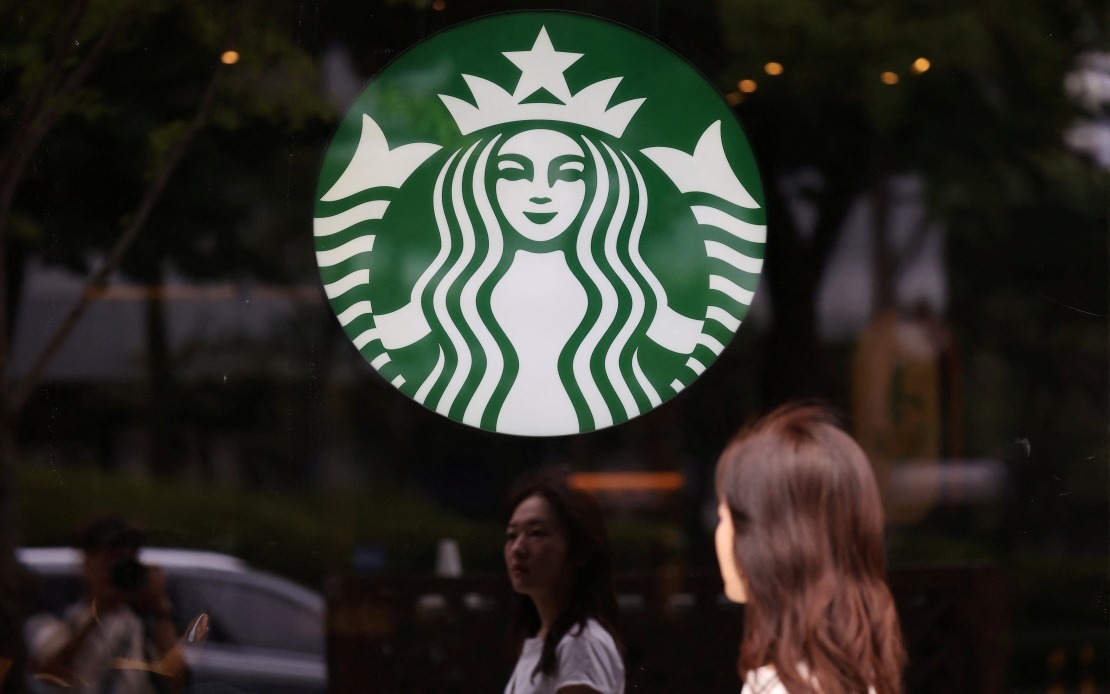
Starbucks took the extraordinary step of shuttering its entire South Korean operation on Monday afternoon, closing more than 2,000 cafés nationwide to conduct mandatory historical training for employees. The unprecedented shutdown stemmed from a public relations catastrophe involving Shinsegae, the South Korean company holding the franchise rights to operate Starbucks' business in the country. The simultaneous closure represented an attempt by the coffee chain's leadership to acknowledge and address the sensitivity surrounding a marketing campaign that had triggered widespread public fury and calls for boycotts.
The controversy centred on Shinsegae's promotional campaign for a stainless steel thermos cup branded as the "SS Tank". The campaign designated May 18 as "Tank Day", appearing to celebrate the product launch on what is a date of profound national trauma in South Korea. On May 18, 1980, the military government of that era deployed military hardware, including tanks, to brutally suppress a pro-democracy uprising in the city of Gwangju. The suppression resulted in the deaths of several hundred civilians and remains a defining moment in South Korea's struggle for democratic freedoms.
The instant public backlash revealed the depth of sensitivity surrounding historical memory in South Korean society. Citizens recognised the campaign as deeply offensive, interpreting it as either a callous reference to the tanks used in the massacre or, at minimum, a grotesque example of corporate insensitivity in marketing. Within hours of the campaign's launch, online communities mobilised to demand a boycott of Starbucks, treating the incident as a corporate betrayal of national historical consciousness. The intensity of the public response forced Shinsegae to halt the promotion almost immediately, but the damage to the brand's reputation had already accumulated significantly.
While the double meaning of the "SS" abbreviation—which typically referred to stainless steel in the campaign but also evokes Adolf Hitler's paramilitary organisation—added another layer of controversy, this dimension played a surprisingly secondary role in the overall public outrage. The primary fury stemmed directly from the choice of May 18 as a marketing date, which appeared to either demonstrate profound ignorance of South Korean history or, worse, a callous disregard for national sensibilities. The convergence of the ill-chosen date and the tank-themed product created a perfect storm of poor judgment.
The incident attracted attention at the highest political levels. President Lee Jae Myung, taking to his X social media account, expressed his personal distress at the campaign. "I am furious at the inhumane behaviour of such businesspeople," he wrote, lending presidential weight to public disappointment. His statement underscored that the controversy transcended ordinary consumer complaints to become a matter of national values and respect for historical victims.
Shinsegae responded with attempted damage control measures. The company issued a formal apology and terminated the executive responsible for conceiving and approving the campaign. Following an internal investigation, company leadership emphasised that no deliberate intention existed to demean or disrespect the victims and survivors of the Gwangju democracy movement. However, these explanations largely failed to satisfy public sentiment, as many observers questioned how such a significant historical date could be overlooked in the planning and approval process.
The decision to close all Starbucks outlets for historical training represented an attempt to demonstrate corporate accountability and institutional learning. By dedicating an afternoon to educate staff about the Gwangju Uprising and its historical significance, Starbucks sought to signal that the incident had prompted genuine reflection rather than merely performative apologies. The mandatory nature of the training suggested that the company recognised the need for systemic change in how its Korean operations approached cultural sensitivity.
South Korean authorities opened their own investigation into the affair. Seoul police began examining the background and decision-making processes that led to the controversial campaign, signalling that public institutions viewed the matter as worthy of formal scrutiny. This official investigation reflected broader concerns about corporate responsibility toward historical memory and collective national trauma.
For Malaysian and Southeast Asian observers, the incident illuminates how historical consciousness shapes consumer behaviour and corporate accountability in East Asian markets. South Korea's swift and severe public response demonstrates that brands operating in the region cannot afford to treat national historical events with indifference, even unintentionally. The Gwangju Uprising holds particular significance similar to pivotal moments in Malaysian and other Southeast Asian histories—events that remain emotionally resonant across generations and communities.
The episode reveals the importance of implementing rigorous cultural and historical awareness protocols within international corporations operating across diverse markets. Starbucks' enforced closure and training initiative suggests that multinational companies increasingly recognise that operating in South Korea, and by extension throughout Asia, requires sophisticated understanding of local historical contexts. What might appear as a neutral marketing decision in one cultural context can become deeply offensive when insufficient attention is paid to national historical narratives.
For Shinsegae and Starbucks, the path to fully restoring public trust will extend well beyond the single afternoon of mandatory training. The incident served as a stark reminder that in South Korea and throughout Asia, corporations operate within societies where historical memory remains actively constructed and politically significant. The younger generation particularly, having grown up with democratised access to information about historical events, demonstrates little tolerance for what they perceive as corporate amnesia regarding moments of national suffering. Future marketing initiatives will likely face heightened scrutiny, and approval processes may be restructured to include historical sensitivity reviews at multiple institutional levels.

