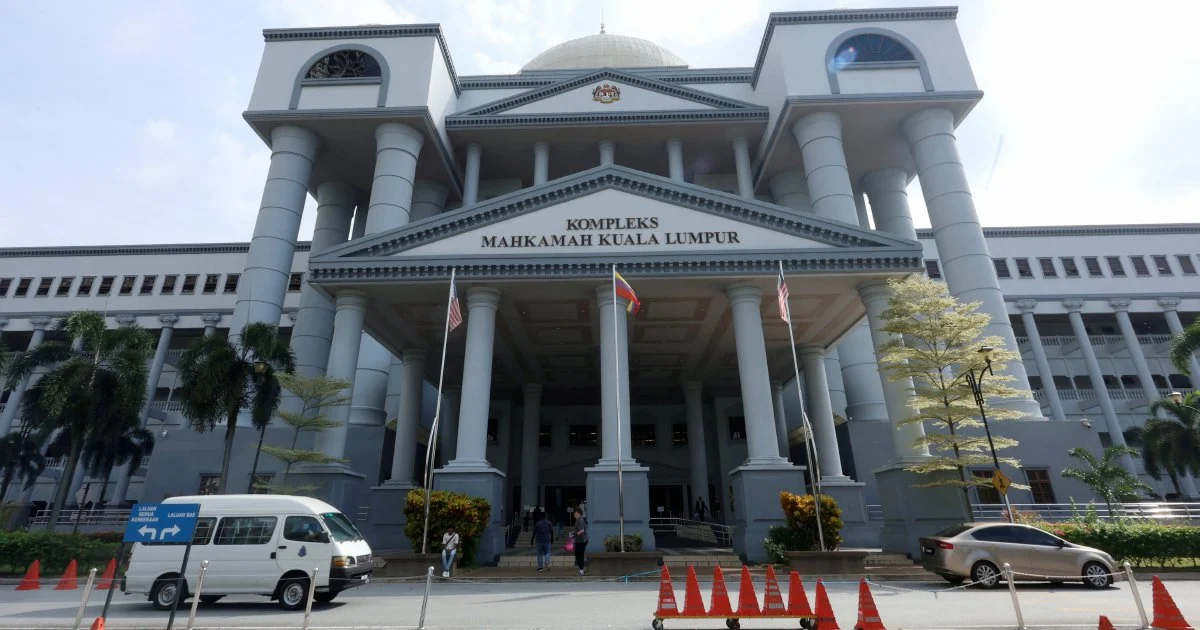
A chief executive officer leading a Malaysian statutory body now faces seven separate corruption charges alleging the solicitation and acceptance of bribes totalling more than RM1 million, marking another significant graft case involving senior public sector management. The defendant is expected to appear before the Sessions Court in Kuala Lumpur to answer these charges, which relate to a sports facility project that has drawn scrutiny from anti-corruption authorities.
The case represents an ongoing pattern of misconduct allegations within government-linked entities and statutory corporations, organisations that wield substantial public funds and contract-awarding authority. Such institutions occupy a peculiar position in Malaysia's administrative landscape, operating with greater operational autonomy than conventional civil service departments yet remaining ultimately accountable to government oversight bodies. The scale of the alleged misconduct—exceeding RM1 million—suggests either multiple transactions or exceptionally high-value illicit payments, indicating sophisticated and systematic corruption rather than isolated lapses in judgment.
Statutory bodies managing sports infrastructure occupy positions of considerable influence, particularly given the government's emphasis on sporting excellence and facility development across the nation. These organisations typically oversee budget allocation, tender processes, and vendor selection for major construction and operational contracts. When leadership within such bodies becomes compromised, the integrity of entire procurement chains becomes questionable, potentially affecting project delivery, cost efficiency, and the quality of facilities ultimately available to Malaysian athletes and the public.
The bribery allegations appear specifically linked to sports facility projects, a sector that has witnessed substantial government investment in recent years. From the construction of new stadiums to the renovation and maintenance of existing venues, these projects involve considerable financial transactions with construction firms, equipment suppliers, and service providers. The correlation between administrative authority and private financial incentives creates inherent vulnerabilities that require robust governance frameworks and vigilant oversight mechanisms.
Anti-corruption enforcement agencies have intensified scrutiny of statutory bodies in recent years, recognising that these institutions, while operating at arm's length from direct ministerial control, nonetheless represent public resources and must therefore maintain the highest ethical standards. The decision to prosecute this particular case suggests investigators accumulated sufficient evidence to establish prima facie grounds for charges, a threshold that typically demands multiple corroborating pieces of evidence given the seniority of the accused individual.
For the broader Malaysian public sector, such cases carry symbolic weight beyond the individual defendant involved. Senior leaders within government-linked entities set the ethical tone for their organisations. Corruption allegations at this level can cascade downward through institutional hierarchies, creating environments where lower-ranking officials perceive that ethical violations carry minimal consequences. Conversely, robust prosecution and conviction of senior figures can reinforce cultural expectations around integrity and accountability.
The Sessions Court proceedings will likely reveal detailed specifics regarding the alleged transactions, including the identities of private parties involved in the bribery scheme, the timing of payments, and the corresponding contracts or decisions purportedly influenced by these arrangements. Malaysian jurisprudence on corruption charges has evolved considerably over the past decade, with courts increasingly willing to examine the broader context of questionable transactions and to infer corrupt intent from patterns of behaviour rather than insisting on explicit confessions or contemporaneous documentation.
From a governance perspective, this case underscores the persistent challenge facing Malaysia's institutional infrastructure. Statutory bodies require operational flexibility and decision-making authority to function effectively, yet these same characteristics create opportunities for misconduct if adequate internal controls, transparency mechanisms, and external oversight remain absent. The government has periodically announced reforms to strengthen board governance and ethical frameworks within such entities, yet implementation and enforcement remain inconsistent across the statutory body landscape.
The implications extend to Malaysia's international standing regarding corruption perceptions and governance standards. Foreign investors and multinational corporations often evaluate investment destinations partly based on demonstrated commitment to fighting corporate and public sector graft. High-profile prosecutions signal governmental willingness to pursue accountability even against powerful figures, though questions persist regarding whether enforcement remains consistent across political affiliations and institutional hierarchies.
For Southeast Asia more broadly, Malaysia's approach to prosecuting senior public officials reflects regional trends toward greater accountability and professionalism within anti-corruption institutions. Several neighbouring countries have similarly established dedicated agencies and mechanisms to combat high-level corruption, creating space for peer learning and comparative analysis of enforcement approaches. The outcome of this particular case may influence how other regional governments approach similar allegations within their own statutory sectors.
The Sessions Court appearance represents merely the opening phase of what may become a protracted legal process, potentially involving appeals, evidentiary disputes, and procedural complexities inherent to cases of this magnitude. Regardless of eventual verdict, the prosecution itself signals that senior leadership positions within government-linked institutions no longer provide automatic insulation from accountability, a principle fundamental to any functioning system of governance.