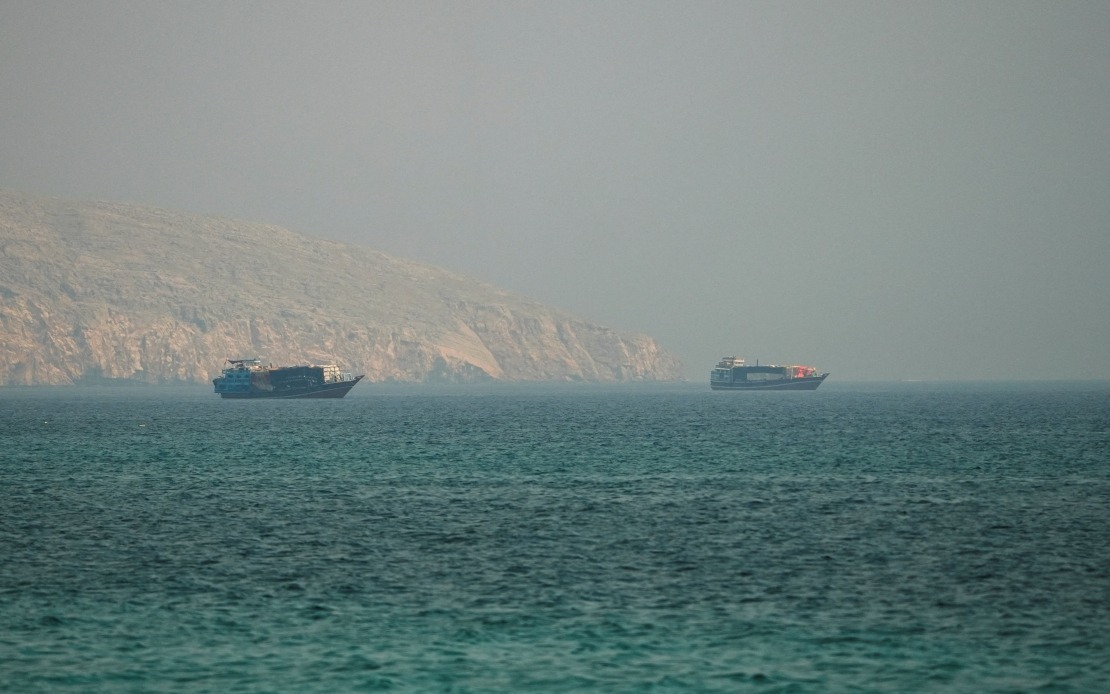
One of the world's most critical shipping corridors faces an unrelenting security crisis. The Strait of Hormuz, through which roughly one-fifth of global oil and liquefied natural gas passes annually, maintains a "severe" threat designation according to the UK Maritime Trade Operations, which issued a formal advisory on Friday detailing the deteriorating conditions merchants face when navigating these contested waters.
The UKMTO's Joint Maritime Information Centre confirmed that recent unprovoked assaults on merchant vessels have prompted maritime authorities to expand the southern transit route in hopes of providing safer passage. Despite these efforts, officials acknowledge that the expanded corridor remains vulnerable, and all vessels transiting the area must prepare for heightened scrutiny and potential contact from naval forces operating across multiple jurisdictions.
For Malaysia and other Southeast Asian shipping nations with substantial commercial interests in the Persian Gulf and beyond, this advisory carries immediate implications. Malaysian vessels and cargo regularly transit the Strait of Hormuz en route to European, African, and Middle Eastern markets. The ongoing security deterioration threatens to increase insurance premiums, delay shipments, and divert trade through longer, more expensive alternative routes—costs ultimately borne by Malaysian importers and exporters.
The escalating cycle of military action between Washington and Tehran shows no signs of de-escalation despite diplomatic efforts. The United States has conducted successive strikes against Iranian military installations and infrastructure, characterizing these operations as defensive responses to Iranian attacks on commercial shipping. Washington's justification centres on protecting free passage and preventing what it views as Iranian attempts to control or disrupt international maritime commerce.
Iran's position reflects a fundamentally different interpretation of the waterway's status and usage. Tehran demands that vessels coordinate with Iranian authorities before transit and insists that ships use only routes it has designated as safe. Iranian officials reject alternative passages as violations of their sovereignty, while launching drone and missile attacks against US military targets throughout the Gulf region and as far as Jordan. This stance reflects Iran's assertion that the Strait constitutes Iranian territorial waters subject to its regulatory authority.
The military confrontation intensified dramatically following the recent vessel attacks, which Washington and allied nations attribute to Iranian-backed operations or direct Iranian action. Each attack prompts swift military retaliation, establishing a pattern of tit-for-tat escalation that shows no clear endpoint. Mariners transiting the area face genuine danger from both deliberate attacks and the increased presence of military assets from multiple countries, all operating with heightened alert status and itchy trigger fingers.
Last month, a potential diplomatic breakthrough emerged when Iran and the United States, working through Pakistani mediation, signed a memorandum of understanding aimed at halting military operations and establishing a framework for lasting peace. Such agreements typically address grievances, establish communication protocols, and commit both parties to de-escalation measures. However, the ink had scarcely dried before the violence resumed, raising serious questions about whether either side genuinely intends to honour the agreement or whether it represents mere theatre while military operations continue unabated.
The memorandum's future viability remains deeply uncertain. The persistence of hostile military actions suggests that foundational trust between the parties remains absent, or that hardline factions within each government reject the diplomatic process entirely. Previous attempts at conflict resolution in the Persian Gulf have foundered precisely because underlying strategic interests diverge so fundamentally. Iran views naval dominance in the Strait as essential to its regional security posture, while the United States and its allies insist on maintaining freedom of navigation and preventing any single power from controlling critical global shipping lanes.
For Malaysia's maritime sector and broader trading interests, the current situation presents a cascading series of challenges. Shipping companies must obtain specialized insurance coverage for hazardous zone transits, adding 2-5 percent to cargo costs. Longer voyage times result from route diversification around the Cape of Good Hope—adding 10-14 days and substantial fuel expenses. Supply chains dependent on timely Gulf deliveries face unpredictable delays, forcing businesses to maintain larger inventory buffers and increasing working capital requirements. Port operators in Malaysia's energy and petrochemical hubs have already noted increased congestion as vessels reroute or delay sailings pending security improvements.
The broader geopolitical context makes resolution unlikely in the near term. The Strait of Hormuz represents a strategic chokepoint where competing visions of regional order collide. American primacy in global maritime security, Iranian regional aspirations, and international commercial interests cannot easily be reconciled through diplomatic documents alone. Until underlying strategic calculations shift—either through changed circumstances or recognition of mutual vulnerability—the cycle of military action and retaliation will likely continue.
Maritime insurers and shipping companies must now factor in permanent volatility premiums when pricing routes through the Persian Gulf. Malaysian exporters should explore alternative partnerships with Gulf-based distributors to reduce direct transit requirements, while the government should work through ASEAN to coordinate regional maritime security approaches that don't depend solely on American or Iranian goodwill. The Strait of Hormuz's severe threat designation is not temporary; it reflects fundamental structural conflict that will require far more than memoranda of understanding to resolve.

