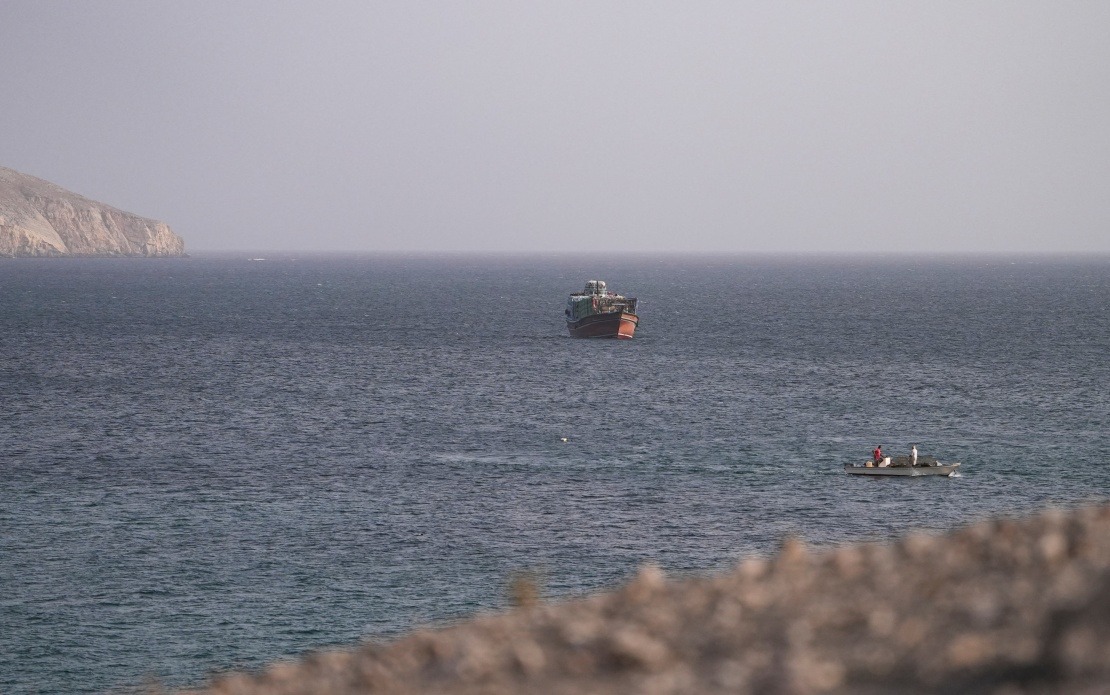
Iran's Foreign Ministry Spokesperson Esmaeil Baqaei has declared that the Strait of Hormuz, one of the world's most strategically vital maritime chokepoints, will not revert to its pre-war configuration, according to remarks made during a televised interview. The statement carries significant implications for global energy security and regional maritime commerce, particularly as negotiations between Tehran and Muscat continue to reshape the waterway's operational framework. Baqaei explicitly rejected any suggestion that bilateral discussions with Oman constitute a straightforward reopening of the strait, instead characterising the ongoing engagement as foundational work toward establishing a sustainable maritime arrangement.
The Iranian official explained that preliminary negotiations between Tehran and Oman commenced immediately following the ceasefire agreement dated April 8, with multiple rounds of consultation already completed. These discussions emerged from the memorandum of understanding that concluded the broader conflict, which specifically designates that future management of the Strait of Hormuz should remain under Iranian stewardship while maintaining consultative engagement with Oman and broader regional dialogue. This provision establishes Iran's central role in determining the strait's operational parameters, a factor that carries substantial weight in ongoing Middle Eastern geopolitical calculations.
Baqaei highlighted that Foreign Minister Abbas Araghchi's inaugural international journey following the ceasefire took him directly to Oman, where substantive conversations with Sultan Haitham bin Tariq and his foreign minister concentrated on maritime security mechanisms and establishing protected shipping corridors. The prioritisation of this diplomatic engagement underscores the significance Tehran attaches to the bilateral relationship and to codifying maritime arrangements that reflect Iran's strategic interests. This emphasis on Omani cooperation reflects historical patterns of Muscat serving as a diplomatic mediator in regional tensions and its geographic position as co-guardian of the waterway.
Crucially, Baqaei unveiled that the emerging maritime framework will introduce an entirely novel shipping route through the strait, distinct from both the northern and southern passages that historically dominated commercial traffic patterns. Rather than recycling pre-existing corridors, Iranian and Omani planners are engineering a purpose-designed arrangement intended to reflect contemporary security requirements and accommodate both nations' strategic preferences. This architectural redesign suggests a conscious departure from established norms, potentially allowing Iran greater regulatory authority over passage flows and enhanced capacity for monitoring commercial and military vessels transiting the waterway.
The Foreign Ministry spokesperson disclosed that during the initial three weeks of implementing the ceasefire agreement, the northern route functioned with complete security integrity and sustained normal vessel passage. However, he contended that before the prescribed thirty-day restoration window concluded, external military actions against Iran disrupted the timeline and necessitated reassessing the maritime security framework. This interruption appears to have prompted the decision that permanent restoration of pre-war conditions would prove insufficient, driving instead toward formulating structural modifications that embed Iranian security imperatives into the waterway's governance architecture.
Baqaei articulated that Iran requires guarantees preventing the strait from becoming instrumentalised by parties that have undertaken military aggression against the country. This security stipulation reflects Tehran's determination that any maritime arrangement must incorporate protective mechanisms ensuring that adversaries cannot exploit the waterway for staging or coordinating operations. The requirement for such protective mechanisms reveals Iran's broader strategic calculation that maritime security extends beyond commercial navigation toward encompassing military deterrence and preventing the strait's weaponisation against Iranian interests.
Notably, Baqaei characterised the Tehran-Muscat consultations as strictly bilateral matters without implications for third parties, a formulation that appears designed to insulate the negotiations from international pressure or expectations that broader multilateral frameworks should govern the arrangement. This bilateral framing permits Iran and Oman considerable operational latitude in designing their preferred maritime scheme without requiring accommodation of other regional or international stakeholders' preferences. The emphasis on bilateralism carries implications for countries dependent upon Hormuz transit, including energy-importing nations throughout Asia for whom any constriction of reliable passage constitutes a serious concern.
Regarding international pressure, Baqaei dismissed recent statements from United States officials as recycled intimidation tactics lacking novelty or credibility. He characterised such rhetoric as part of established psychological warfare patterns, noting that Iran had previously endured multiple phases of high-intensity military action and emerged through those confrontations. The spokesperson contended that Tehran's policy determinations flow exclusively from national interests and security assessments, remaining imperviousness to external threats, intimidation campaigns, or media narratives. This framing positions Iran as a resolute actor unconstrained by international opinion or external pressure in formulating its maritime strategy.
Baqaei referenced recent diplomatic contacts from Bulgaria, the United Kingdom, and Ukraine as evidence of international engagement regarding Iranian concerns. However, he reoriented the conversation toward Tehran's responsibility to communicate potential consequences flowing from further aggression or military escalation, signalling that states providing military facilities, logistical support, or direct collaboration in operations against Iran would face attributable consequences. This declarative position establishes a deterrent posture toward potential regional or international participants in anti-Iranian activities, extending Tehran's security framework beyond bilateral maritime arrangements toward broader strategic deterrence.
The Iranian official articulated that any maritime route understanding between Tehran and Muscat represents a discrete matter from whether the strait technically remains open or experiences ongoing restrictions, suggesting these represent distinguishable questions rather than opposing poles of a single issue. This nuanced characterisation permits Iran to maintain the stance that the waterway remains fundamentally transformed from pre-war conditions while technically permitting qualified passage under new frameworks. The status of the Strait of Hormuz, according to Baqaei's formulation, remains contingent upon regional security trajectories and actions undertaken by the United States, introducing temporal conditionality into any maritime arrangement.
For Malaysian policymakers and regional observers, these developments merit careful attention. As a trade-dependent maritime nation with substantial energy requirements transiting through the Strait of Hormuz, Malaysia possesses direct interests in maintaining predictable and accessible passage through this critical chokepoint. The Iranian initiative to redesign maritime frameworks could either enhance security through structured cooperation or introduce additional complexities for commercial shipping. The emerging Iran-Oman bilateral arrangement may establish precedents for how regional powers manage contested maritime zones, potentially influencing approaches to other disputed waterways and maritime disputes throughout Southeast Asia and the broader Indo-Pacific region.
The declared permanence of the strait's transformed status signals that Iran has moved beyond temporary restrictions toward institutionalising structural changes that reflect its strategic preferences. This evolution from provisional measures to codified arrangements suggests that any international effort to restore pre-war conditions would require fundamental diplomatic realignment rather than representing a default outcome. For regional traders, energy importers, and maritime commercial operators, understanding this Iranian position becomes essential for assessing long-term risks and opportunities associated with Hormuz transit and developing contingency planning for potential supply chain vulnerabilities.

