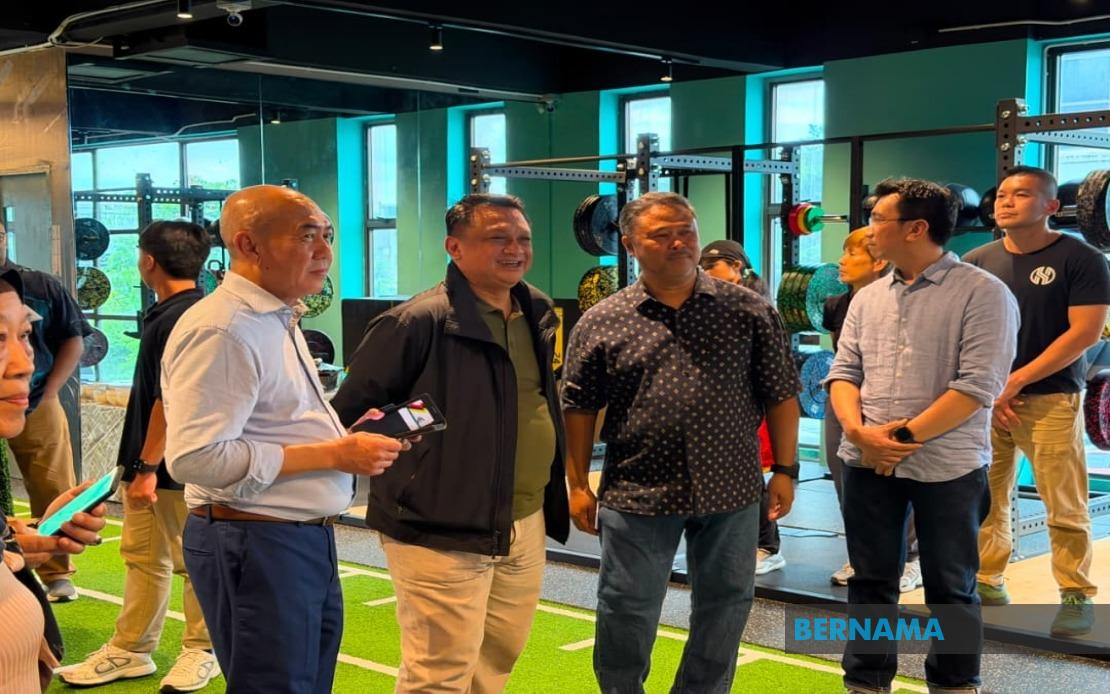
Malaysia's rapidly expanding elderly population faces a mounting health crisis centred on preventable injuries from falls, according to Dr Adibah Ali, owner of FitLab gymnasium in Kuching. Speaking during a recent royal visit to her facility, the consultant breast and endocrine surgeon emphasised that muscle-strengthening exercises represent a crucial but underutilised tool in safeguarding the wellbeing of senior citizens during their later years. Her call comes as demographic shifts across the nation leave policymakers grappling with the healthcare implications of an ageing society.
Drawing on more than two decades of clinical experience, Dr Adibah has observed firsthand the devastating human and economic toll of fall-related injuries among the elderly. During her years working in hospital wards, she repeatedly witnessed senior patients admitted with serious fractures and trauma stemming from preventable falls. These incidents frequently result in prolonged hospital stays, reduced mobility, loss of independence, and diminished quality of life—consequences that extend far beyond the individual to affect families and healthcare systems already stretched thin across the country. The pattern is sufficiently pronounced that she has made raising public awareness her personal mission.
A fundamental misconception clouds public understanding of strength training for older adults, Dr Adibah stressed. Many seniors—and indeed many younger people—associate muscle-building exercise with aesthetics, envisioning bodybuilders rather than practical health outcomes. This perception creates a psychological barrier to participation. In reality, the benefits of targeted strength work for the elderly centre entirely on functional capacity and injury prevention. Stronger muscles stabilise joints, improve balance, enhance bone density, and provide crucial support during daily activities that pose fall hazards for those with weakened physiology.
The practical advantages manifest across everyday scenarios that define independence for older people. Climbing stairs without assistance, rising from a seated position, carrying shopping bags, or simply maintaining balance while walking become measurably safer and easier with improved muscular strength and stability. These capabilities directly influence whether seniors can remain in their own homes or require institutional care—a distinction with profound personal and financial ramifications. By maintaining functional strength, older Malaysians can preserve autonomy and dignity while reducing burden on family members and formal care systems.
Recognising this pressing need, FitLab has undertaken a strategic initiative to design specialised exercise programmes tailored to the elderly demographic. Rather than attempting to integrate seniors into classes designed for younger, more fit populations, the gymnasium plans to develop classes specifically calibrated to age-appropriate intensity levels and mobility considerations. Simultaneously, Dr Adibah is pursuing partnership arrangements with Pusat Aktiviti Warga Emas (PAWE), the government-supported senior citizen activity centre network. This collaboration aims to extend reach beyond private gymnasium members to encompass a broader cross-section of Malaysia's elderly population, particularly those with limited financial resources.
Sarawak's Deputy Minister of Youth, Sports and Entrepreneur Development, Datuk Gerald Rentap Jabu, echoed these concerns while highlighting the specific demographic challenges facing the state. Individuals aged 50 and above represent an accelerating share of Sarawak's population, creating urgent demand for programming that addresses their distinct health and wellness needs. Rentap characterised efforts to promote active lifestyles among seniors as essential public policy, requiring coordination across multiple government agencies and non-profit entities. The Deputy Minister noted that such initiatives extend beyond pure physical fitness to encompass cognitive health and social engagement.
Comprehensive wellness programming for seniors necessarily encompasses mental stimulation alongside physical conditioning, according to Rentap's vision. PAWE centres have begun incorporating activities such as chess, which demands strategic thinking and mental agility, into their offerings. This holistic approach recognises that healthy ageing involves multiple dimensions—physical capability, cognitive function, and social connection all operate synergistically to produce wellbeing and life satisfaction. Isolated focus on any single component, however important, fails to address the full spectrum of factors influencing quality of life for Malaysia's senior citizens.
The collaborative framework being established in Sarawak may serve as a model for replication across other Malaysian states facing comparable demographic pressures. By combining private sector expertise and resources (through facilities like FitLab) with government infrastructure and outreach capability (via PAWE networks), the model leverages complementary strengths while distributing costs. Government entities typically lack the specialised fitness knowledge and facility infrastructure that private providers possess, while private operators often struggle to reach low-income populations without government support and credibility. Strategic partnerships thus expand access far beyond what either sector could achieve alone.
The visit by Tuanku Syed Faizuddin Putra Jamalullail, Raja Muda of Perlis, underscores growing royal and political attention to senior citizen welfare issues across Malaysia. His Royal Highness spent nearly two hours exploring FitLab's facilities and learning about strength-training programmes, signalling high-level endorsement for the initiative. Such visible support from the royal institution carries particular weight in Malaysian society and helps elevate fitness and wellness for the elderly from peripheral concern to central policy priority deserving resource allocation and coordinated governmental action.
For Malaysia's healthcare system and elderly population, the implications of expanding strength-training participation are substantial and multifaceted. Preventing falls through improved muscular strength delivers enormous public health returns, reducing hospitalisation rates, long-term disability prevalence, and attendant healthcare expenditures. Beyond these measurable metrics lie less quantifiable but equally significant gains in autonomy, dignity, and life satisfaction for older Malaysians. As the nation's demographic profile continues shifting toward a larger and longer-lived elderly cohort, the integration of accessible strength training into standard wellness practice represents not a luxury amenity but a foundational requirement for sustainable health systems and dignified ageing across the country.

