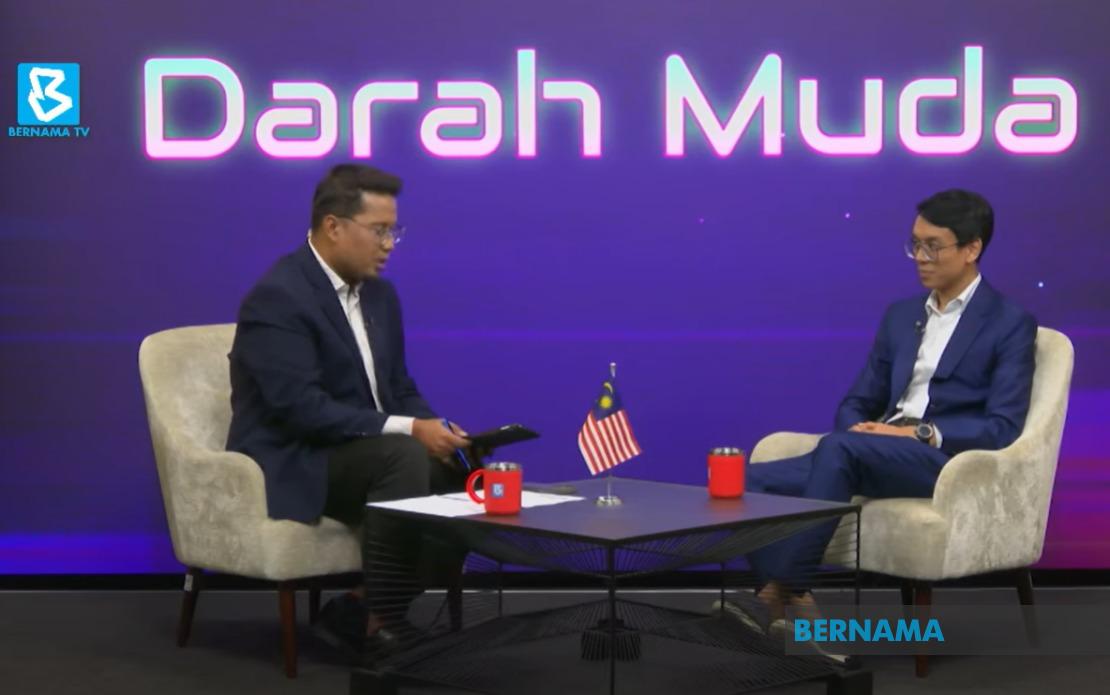
Lembaga Tabung Haji's path forward depends critically on appointing leaders with genuine financial expertise and establishing governance practices that prioritize institutional accountability, according to IKRAM Malaysia's economic analysis team. The observations come as the institution continues recovering from problems documented in a Royal Commission of Inquiry report, reflecting broader concerns about whether structural reforms can truly prevent historical mistakes from resurfacing.
Economist Mohamad Ikmal Ahmad Nordin emphasizes that understanding the root causes behind TH's difficulties remains essential, even as the institution attempts to stabilize operations. Rather than treating the RCI findings as isolated incidents, stakeholders must conduct a thorough examination of how institutional failures accumulated over time. This comprehensive approach differs from accepting surface-level explanations or quick-fix solutions that might obscure deeper systemic weaknesses.
The competency of senior management emerges as perhaps the most critical consideration for TH's transformation. The institution's dual mandate—serving as both a religious trust managing pilgrimage arrangements and a sophisticated financial entity overseeing substantial investment portfolios—demands leadership capable of navigating both domains. Currently, TH's leadership structure may not adequately reflect the specialized knowledge required for managing complex financial operations, investment strategies, and risk assessment that rival commercial banks and fund managers.
Ahmad Nordin suggests that TH should recruit professionals with demonstrated expertise in fund management, accounting, and actuarial science—qualifications that extend beyond general administrative capability. These specialists would bring technical competence necessary for evaluating investment decisions, assessing financial performance, and implementing controls that prevent misuse of depositor funds. The absence of such expertise at senior levels may have contributed to the problematic investment choices and governance lapses that triggered the RCI investigation.
Conversely, the management of religious and Hajj-related affairs could be delegated to institutions with explicit mandates in these areas, such as the Department of Islamic Development Malaysia (JAKIM) or the Ministry of Islamic Affairs. This restructuring would allow TH to focus organizational resources on financial stewardship while leveraging specialized religious agencies' knowledge of pilgrimage logistics, Islamic compliance, and faith-based community engagement. Such a division reflects international best practices where specialized institutions concentrate on their core competencies rather than attempting to excel across disparate functions.
The generational dimension adds urgency to governance reform. Younger Muslims face mounting pressure to accumulate sufficient savings for performing the Hajj, a religious obligation increasingly expensive due to rising travel costs, accommodation fees, and logistical expenses. TH's original purpose centered on providing accessible mechanisms for ordinary Muslims to set aside funds for this pilgrimage without facing exploitation or excessive charges. Better financial management and forward-looking governance could unlock innovative savings schemes, investment options, and support mechanisms tailored to younger depositors' needs and circumstances.
Ahmad Nordin stresses that young Malaysians must advocate actively for these institutional improvements, as they possess direct understanding of contemporary financial pressures and realistic assessments of what programs would prove genuinely helpful. Youth-driven pressure for transparency and accountability could catalyze the governance reforms necessary for rebuilding depositor confidence—particularly among generations who may have experienced direct losses or witnessed family members' concerns about TH's stewardship of their savings.
Restoring public confidence represents an equally important objective as technical governance improvements. TH must demonstrate that it has genuinely learned from past failures by implementing visible controls, transparent reporting, and accountable decision-making processes. This restoration cannot occur through rhetoric alone but requires sustained demonstration of competent, ethical stewardship across multiple years. Depositors and potential participants need assurance that TH management prioritizes their interests rather than pursuing inappropriate investment schemes or allowing fund misallocation.
Refocusing on TH's original mandate—providing Hajj preparation services and financial protection for pilgrims—requires abandoning peripheral ventures or speculative investments that diverted institutional resources without clear connection to the core mission. This strategic reorientation would communicate clearly to depositors that TH exists principally to serve their religious and financial needs rather than generating returns through unrelated business activities.
The continuation of forensic audits across TH-related companies remains vital for establishing complete accountability. Comprehensive investigation must identify not only what problems occurred but also trace the chain of decisions leading to those failures and determine who benefited from questionable financial flows. Incomplete or selective accountability creates risks that similar patterns could recur under different circumstances or personnel, undermining reform efforts.
Ahmad Nordin warns that addressing only surface-level issues while leaving underlying causes unexamined invites repetition of historical mistakes. Thorough forensic examination serves both accountability and institutional learning purposes—clarifying what systemic vulnerabilities enabled previous failures and what safeguards can prevent recurrence. This evidence-based approach to reform differs from reorganization based on political convenience or administrative convenience, instead grounding improvements in documented understanding of institutional weaknesses.
The pathway forward for TH ultimately depends on recognizing that financial institutions cannot function effectively through religious authority alone, nor can religious missions succeed when managed without appropriate financial discipline. Combining expert leadership, specialized expertise, clear governance frameworks, and comprehensive accountability creates the foundation upon which TH can rebuild depositor confidence and fulfill its essential role in Malaysian Muslim life.

