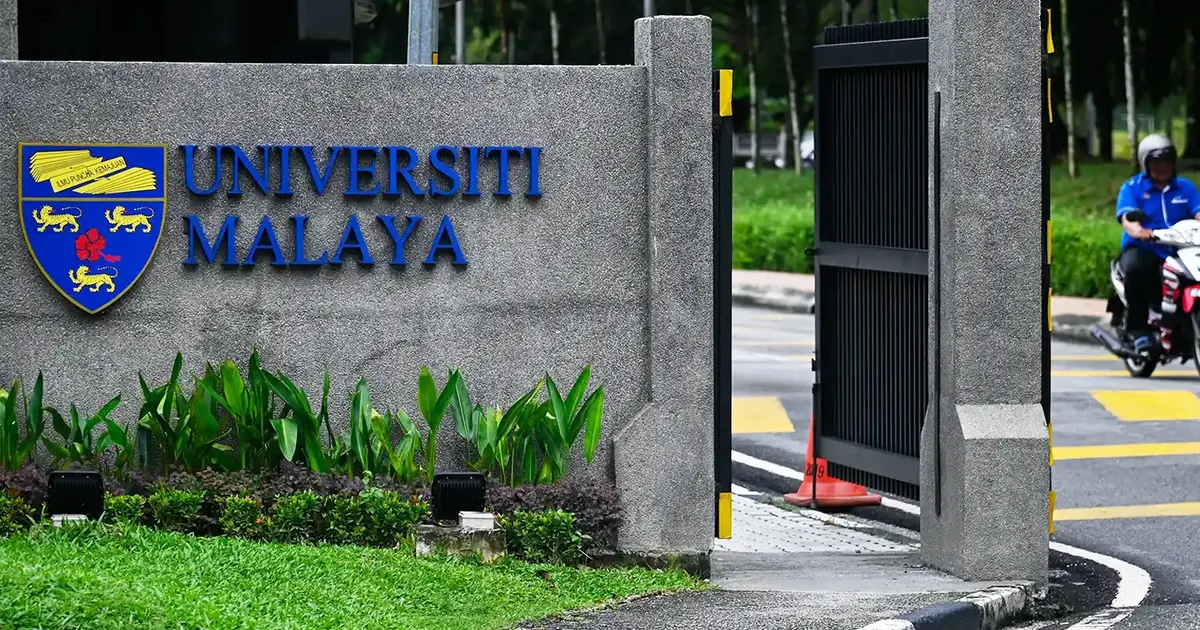
A student advocacy group at the University of Malaya has publicly called on the institution to release the findings of an ongoing sexual harassment inquiry into a member of its academic staff, spotlighting mounting frustration over what activists describe as an unnecessarily protracted investigation process. NewGen UM, the student organisation leading the push, argues that despite the university publicly indicating the probe had reached its concluding phases around September of the previous year, no formal announcement regarding the investigation's outcome has materialised in the months that have followed.
The delay underscores a broader tension within Malaysian higher education institutions between administrative processes and the expectations of student constituencies who increasingly hold their universities accountable for responding decisively to misconduct allegations. When universities signal that investigations are nearing completion, affected students and their advocates reasonably anticipate timely public disclosure, yet institutional bureaucracy frequently extends beyond initial timelines without transparent communication about reasons for postponement.
This particular case reflects a pattern visible across Southeast Asian universities, where sexual harassment investigations often languish in internal channels without clear resolution frameworks or public accountability mechanisms. The University of Malaya, as Malaysia's oldest and most prestigious institution, faces heightened scrutiny when allegations emerge, given its responsibility to model institutional integrity and demonstrate commitment to campus safety standards that align with international norms.
NewGen UM's intervention represents an important countervailing force to administrative inertia. Student organisations serve as crucial accountability actors within university ecosystems, applying public pressure where formal grievance procedures may lack transparency. By vocally demanding answers, the group signals to institutional leadership that investigations into serious allegations cannot simply disappear from public consciousness, and that institutional credibility depends partly on timely, honest communication with stakeholders.
The investigation's extended timeline raises legitimate questions about resource allocation, investigative methodology, and whether delays reflect genuine complexity in the case or institutional reluctance to confront uncomfortable findings. Universities often face pressure to minimise reputational damage, and protracted investigations can sometimes serve as a de facto strategy for allowing public attention to drift elsewhere. This dynamic is particularly concerning in sexual harassment cases, where victims may experience psychological consequences from prolonged uncertainty about institutional responses.
For Malaysian university students more broadly, this situation highlights the importance of robust reporting mechanisms, protected complainant pathways, and explicit timelines for investigation completion. Many regional institutions still lack independent ombudsman offices or external oversight bodies capable of monitoring investigation progress, leaving students dependent on goodwill procedures that may prioritise institutional protection over claimant support.
The case also touches on questions of due process for the accused faculty member, who equally deserves clarity about their status. Investigations conducted without defined timeframes create liminal positions where individuals face unresolved allegations without transparent procedural frameworks or exit points. Effective institutional processes should protect both complainant dignity and respondent fairness through clearly articulated timelines and communication protocols.
University of Malaya's response to NewGen UM's demands will likely influence how other Malaysian institutions approach similar situations. If the university can demonstrate responsive, timely handling of this inquiry while maintaining investigative integrity, it establishes positive precedent for sector-wide practice improvement. Conversely, continued silence risks reinforcing perceptions that institutional priorities favour discretion over transparency, potentially discouraging future misconduct reporting.
The timing of this pressure is strategically significant, as Malaysian society increasingly focuses on gender-based violence prevention and institutional accountability. Recent regional conversations about campus safety, particularly following high-profile cases at universities across Asia, have elevated expectations for Malaysian institutions to implement world-class procedures. Student activism serves as both mirror and catalyst for this evolving institutional consciousness.
NewGen UM's public campaign demonstrates how sustained advocacy can hold institutions accountable where formal channels alone prove insufficient. The group's visibility transforms what might otherwise remain an obscure administrative matter into a question of institutional legitimacy and leadership commitment. This dynamic, while challenging for administrators, ultimately strengthens university governance by making accountability structures responsive to community concerns.
The broader implications extend beyond this single investigation. Universities function as sites where future professionals, policymakers, and community leaders develop expectations about how institutions should respond to serious allegations. Transparent, timely investigations signal that misconduct carries real consequences and that institutional credibility depends on demonstrable integrity. Delayed resolutions send opposite messages, potentially normalising institutional opacity among graduating cohorts.
As the University of Malaya considers how to respond to renewed student pressure, the institution faces an opportunity to establish itself as a leader in responsible investigation practices across Southeast Asia. Releasing findings promptly, with appropriate detail balancing confidentiality protections and public transparency, would demonstrate genuine commitment to campus safety and institutional accountability. The cost of continued silence—measured in student trust, reputational damage, and normalised institutional dysfunction—far exceeds the administrative inconvenience of timely disclosure.

