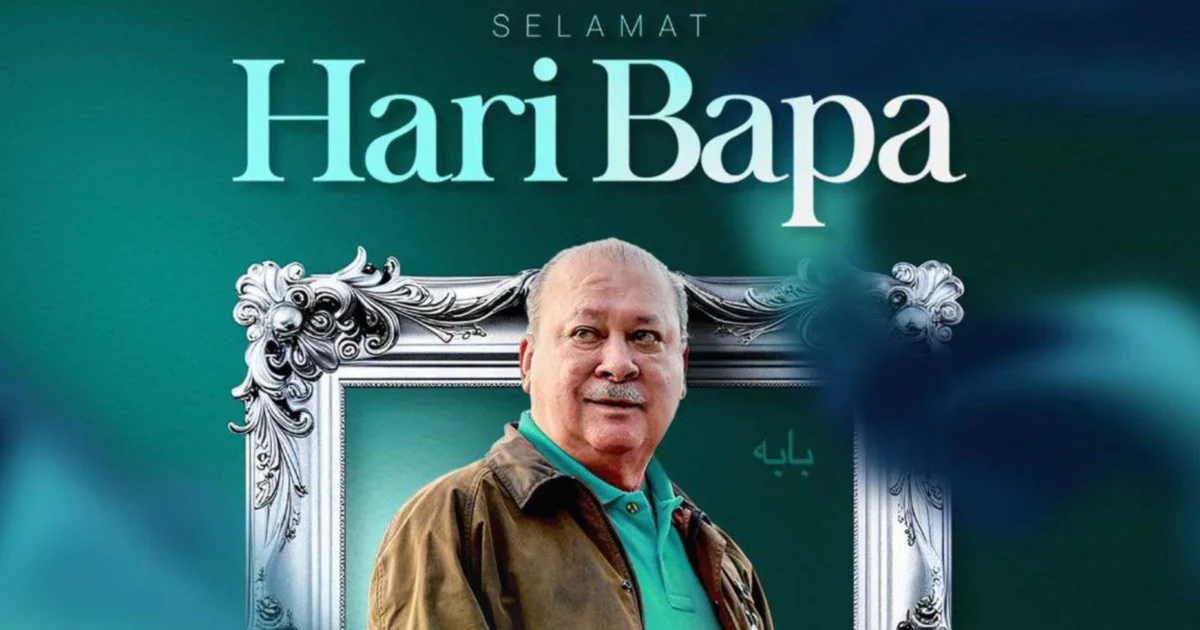
His Majesty Sultan Ibrahim, King of Malaysia, and Her Majesty Raja Zarith Sofiah, Queen of Malaysia, have marked Father's Day by extending heartfelt greetings to all fathers throughout the country. The royal gesture reflects the importance placed by the nation's highest office on recognising the significant roles that fathers play within Malaysian families and communities.
Father's Day, typically observed in June in many countries, serves as an annual occasion to appreciate and honour paternal figures. The timing of the royal message underscores the monarchy's commitment to engaging with national observances that resonate across Malaysian society. By personally addressing fathers on this occasion, the Sultan and Queen demonstrate the constitutional monarchy's active role in acknowledging the milestones and celebrations that matter to ordinary Malaysians.
The greeting carries particular significance given Malaysia's multicultural landscape. While Father's Day traditions may vary across different ethnic and religious communities, the royal message provides a unifying platform that transcends these boundaries. The gesture emphasises shared values around family, duty, and intergenerational responsibility that exist across Malaysia's diverse population.
For many Malaysian families, fathers occupy central roles as providers, mentors, and emotional anchors. The formal recognition from the nation's top leadership validates these contributions and affirms that fatherhood is valued at the highest levels of governance. Such messages help normalise discussions around parental involvement and family structures within Malaysian society.
The Queen's inclusion in delivering the message alongside the King reflects contemporary approaches to recognising family roles. Her Majesty's presence signals that appreciation for fathers' contributions is not confined to male voices alone, but represents a broader societal acknowledgement that transcends gender perspectives. This collaborative approach models partnership in recognising familial contributions.
In the Malaysian context, where family remains a cornerstone of social organisation, the royal couple's recognition of fathers assumes practical importance. Many Malaysian fathers continue to navigate evolving expectations around work-life balance, child-rearing involvement, and household responsibilities. Official acknowledgement of their roles can provide validation and encouragement amid these transitions.
The timing and nature of such greetings also reflect the constitutional role of Malaysia's monarchy. Beyond ceremonial functions, the Sultan and Queen actively participate in cultural moments and national celebrations. By engaging with Father's Day, they demonstrate attentiveness to the calendar of observances meaningful to their subjects, reinforcing the relevance and accessibility of constitutional monarchy within modern Malaysia.
For Malaysian media and public discourse, the royal message provides an opportunity to discuss broader questions about fatherhood in contemporary society. Issues such as involved parenting, work-family dynamics, paternal leave policies, and the changing definition of fatherhood have become increasingly prominent in regional conversations. The royal recognition can serve as a springboard for these important societal discussions.
The gesture also aligns with regional trends in Southeast Asia, where several monarchies and national leaders regularly acknowledge family-related observances. In an era where rapid social change affects traditional family structures, such public recognition from leadership helps anchor discussions around evolving paternal roles within frameworks of continuity and national identity.
For Malaysian fathers themselves, whether breadwinners, caregivers, or navigating multiple roles, the message provides acknowledgement that their contributions—often performed with limited fanfare in daily family life—carry weight and meaning beyond the household. This validation can be particularly important in societies where paternal involvement continues to be defined primarily through economic provision rather than emotional labour or daily care work.
The Queen's participation alongside the King also models contemporary partnership between the monarchy and national values. Her Majesty's voice in celebrating fathers ensures that female perspectives on paternity, family contribution, and shared household responsibility feature prominently alongside traditional royal messaging, reflecting Malaysia's gradual shifts in gender engagement and family discourse.
Moving forward, such royal acknowledgements of family observances contribute to creating space within Malaysian public life for celebration and reflection on relational roles often taken for granted. In an increasingly demanding and fast-paced society, official recognition of fatherhood provides moments for pause and appreciation that reinforce the enduring importance of familial bonds.

