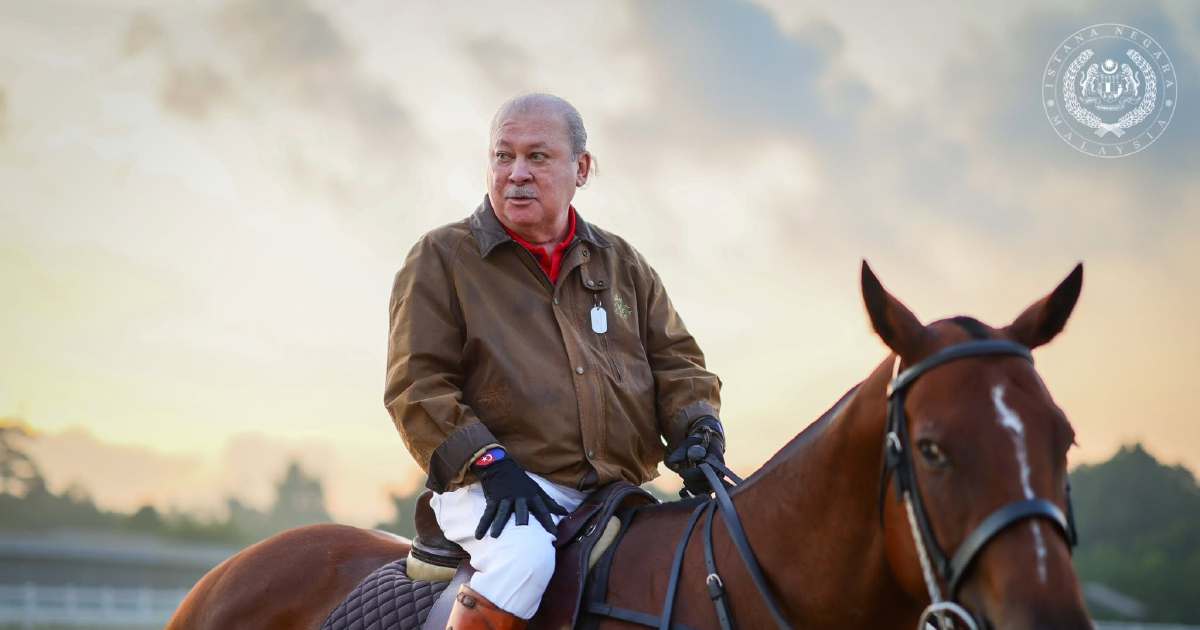
His Majesty Sultan Ibrahim, King of Malaysia, reaffirmed his dedication to personal wellness by engaging in his customary morning equestrian activities at the Royal Johor Polo Club situated within the grounds of Istana Pasir Pelangi in Johor Baru. The monarch's consistent participation in this fitness regimen underscores the importance placed on maintaining active lifestyle habits despite the substantial demands of royal duties and state responsibilities.
The deliberate choice to pursue horse-riding as a core element of daily wellness reflects a broader pattern among Malaysia's leadership of blending traditional royal pastimes with modern health consciousness. Polo clubs across Southeast Asia have long served dual purposes—functioning as exclusive sporting venues while simultaneously providing structured environments for sustained physical activity. The Royal Johor Polo Club, with its heritage spanning generations of the Johor royal family, exemplifies this tradition of marrying sporting excellence with personal fitness objectives.
Equestrian pursuits offer significant health benefits that extend beyond mere recreational enjoyment. Horse riding engages multiple muscle groups simultaneously, enhancing core stability, cardiovascular endurance, and mental discipline. For senior executives and individuals in high-stress positions, such activities provide valuable outlets for stress management and cognitive reset. The documented calming effects of equestrian exercise have attracted increasing attention from health professionals seeking non-pharmaceutical approaches to wellbeing.
The timing of these morning sessions carries particular significance in the Malaysian context, where dawn represents a period of relative quietude before the demanding schedule of state functions begins. Many senior government figures and members of the royal family have adopted early morning routines as an effective strategy for carving out personal time amid calendars crowded with official engagements, ceremonial obligations, and policy discussions.
Johor, as the southernmost peninsular state and home to significant royal estates, maintains a strong equestrian culture rooted in both history and geography. The state's suburban and semi-rural character around Johor Baru provides suitable terrain for polo facilities and horse-riding enterprises. The Royal Johor Polo Club represents one of the premier venues in Malaysia for this sport, hosting competitions and training activities that have contributed to developing local equestrian talent and maintaining international standards.
The relaxed pace maintained during these morning rides—deliberately avoiding high-intensity exertion—suggests an emphasis on sustainable fitness rather than competitive sporting performance. This measured approach aligns with evolving medical understanding regarding optimal exercise patterns for individuals of advanced age, prioritizing consistency and longevity over intensity. Such routines, when maintained regularly, contribute substantially to cardiovascular health, bone density, and psychological wellbeing.
Royal participation in equestrian activities carries cultural resonance within Malaysian society, connecting contemporary leadership to historical traditions. Horse riding has featured prominently in the court customs and ceremonial practices of Malay sultanates for centuries, making these activities symbolically important beyond their immediate health benefits. The visual representation of leadership engaging in disciplined physical pursuits resonates with values of dedication and personal responsibility that authorities wish to reinforce within public consciousness.
The continuity of these activities also provides the royal household with valuable routine and normalcy amid the often-unpredictable demands of governance. Structured personal activities create islands of predictability within schedules otherwise dominated by state business, international visits, and ceremonial duties. For any individual managing substantial institutional responsibilities, maintaining personal practices that provide continuity and grounding proves psychologically essential.
Malaysia's tropical climate, while presenting challenges for certain outdoor activities during peak heat and monsoon periods, remains conducive to early morning equestrian pursuits. The cool temperatures of dawn hours provide optimal conditions for sustained physical exertion without excessive heat-related stress. This seasonal and temporal optimization reflects thoughtful planning regarding health routines within local climatic constraints.
The maintenance of established personal routines by senior state figures often carries broader implications for national morale and continuity messaging. Visible persistence in customary activities, particularly those linked to personal discipline and health consciousness, subtly communicates stability and ongoing commitment to institutional duties despite any personal challenges. Such consistency becomes especially significant during periods of political transition or when public attention focuses closely on leadership wellbeing.
Equestrian facilities throughout Malaysia, including polo clubs in Kuala Lumpur, Selangor, and other states, form part of a broader infrastructure supporting this sport at recreational and competitive levels. These venues serve diverse constituencies ranging from serious competitors to recreational enthusiasts seeking fitness alternatives to conventional gyms and training facilities. The demonstrated royal endorsement of equestrian pursuits through personal participation contributes to legitimizing and elevating the profile of horse-riding within Malaysian recreational culture.
The consistent nature of His Majesty's morning routine demonstrates how even individuals bearing extraordinary responsibilities manage to integrate sustainable wellness practices into complex daily schedules. This pattern offers implicit lessons regarding time management and priority-setting, particularly relevant for Malaysia's business and professional communities navigating increasingly demanding work environments. The example suggests that systematic commitment to personal health, even in modest time increments conducted regularly, yields meaningful outcomes.