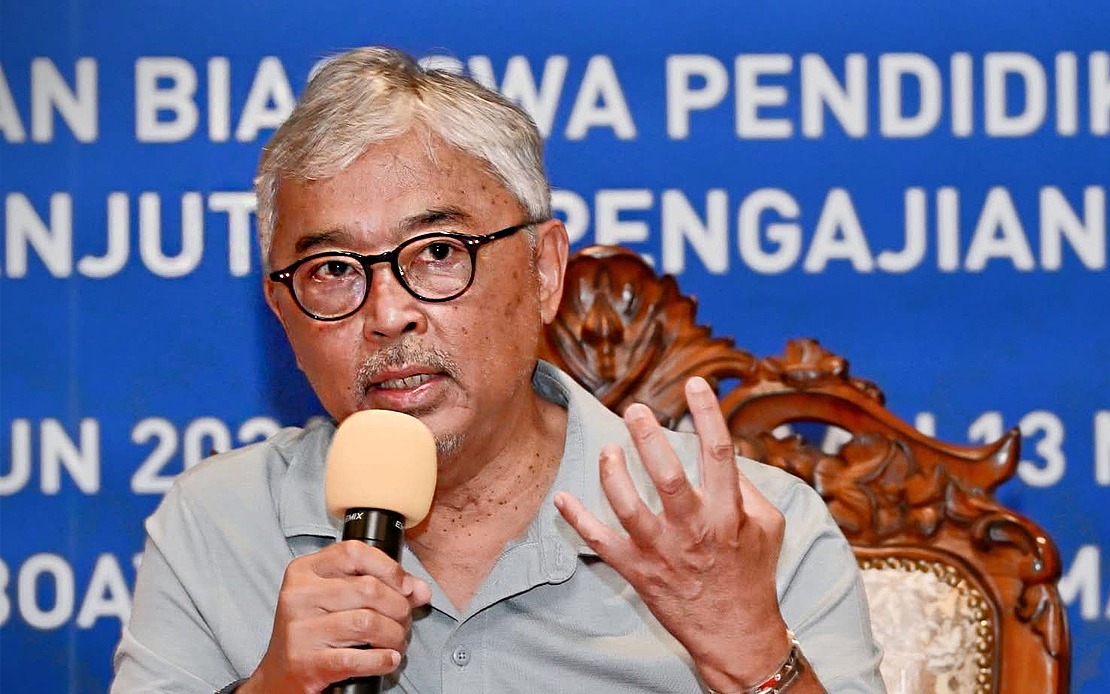
The Sultan of Pahang, Al-Sultan Abdullah Ri'ayatuddin Al-Mustafa Billah Shah, has issued a call to universities throughout Pahang to expand scholarship programmes targeting students from Tioman Island, using the initiative by Institut Jantung Negara University College as a benchmark for institutional commitment to developing talent from underserved communities.
Speaking through a statement released on the Pahang Sultanate's official Facebook page, His Royal Highness emphasised that the Institut Jantung Negara's decision to award scholarships to two high-achieving Tioman Island students demonstrates the kind of corporate responsibility that other tertiary institutions should emulate. The scholarships represent a tangible commitment to identifying and nurturing exceptional young people from geographically isolated areas who might otherwise face barriers to accessing quality higher education.
The Sultan stressed that geographic location should never become a limiting factor for ambitious students. Despite Tioman Island's distance from the peninsula's population centres, he underscored that these young people remain integral members of Pahang's community and deserve equal opportunity to pursue tertiary education. His intervention signals strong royal support for initiatives that address educational inequality between urban and rural populations, a persistent challenge across Malaysia's development landscape.
As patron of educational advancement in the state, Al-Sultan Abdullah consented to preside over the Institut Jantung Negara Scholarship Presentation Ceremony where the two successful candidates would formally receive their awards before commencing their studies at IJNUC. His attendance at the event underscores the cultural significance placed on education within Pahang's leadership circles and serves to elevate the profile of scholarship recipients within their communities.
The two scholars earned their awards through demonstrated academic excellence and merit-based selection processes, highlighting that these opportunities are not awarded lightly but reserved for students who have already demonstrated their capability and dedication. His Royal Highness publicly recognised their achievements, positioning them as role models for their peers on the island and emphasising the expectations accompanying their scholarships.
Addressing the scholars directly, the Sultan articulated an uncompromising vision of their academic journey. He rejected the notion of failure as an acceptable outcome, framing their success not merely as personal achievement but as a benchmark that would establish expectations for future generations of Tioman Island students aspiring to higher education. This messaging transforms individual scholarships into catalysts for broader community transformation and generational advancement.
The Sultan offered practical guidance for academic success, advising the scholars to maintain strict discipline, exercise effective time management, and sustain unwavering focus throughout their studies in Kuala Lumpur. These directives acknowledge that geographic separation from family support networks presents genuine challenges that require conscious effort to overcome, while simultaneously positioning the scholars as representatives of their island community in Malaysia's capital.
Beyond the scholarship initiative itself, His Royal Highness extended formal appreciation to Institut Jantung Negara for its multifaceted contributions to Pahang society. He recognised the institution not merely as a centre of medical excellence but as an active participant in community development, regularly undertaking corporate social responsibility programmes that extend far beyond its core healthcare mission into rural and remote regions including areas like Kampung Bantal.
The Sultan acknowledged Institut Jantung Negara's distinguished position within Asia's medical landscape, noting its international reputation for cardiovascular expertise and treatment excellence. This recognition validates the institution's dual commitment to both advancing medical science and serving its host state's broader development objectives, demonstrating that institutional prestige and community engagement are complementary rather than competing priorities.
The Sultan's personal relationship with IJN, referenced through his gratitude for the institution's ongoing health services to him, adds a human dimension to the royal endorsement. However, he positioned this personal connection within the broader context of IJN's systematic engagement with Pahang's communities, particularly in underserved areas. This framing transforms the Sultan's support from merely personal appreciation into institutional validation of IJN's development philosophy.
The appeal to Pahang's other universities carries implicit expectations that institutions benefiting from the state's resources and infrastructure should reciprocate through targeted investments in their students' wellbeing and development. By publicly endorsing IJN's scholarship model, the Sultan has effectively set a new standard against which other tertiary institutions will be measured by both government and civil society.
This initiative reflects broader Malaysian policy conversations about inclusive development and ensuring that economic opportunity reaches beyond urban concentrations. Tioman Island's development, historically shaped by tourism and fishing industries, stands to benefit significantly from expanded educational pathways that allow talented youth to acquire skills and qualifications for professional careers. The scholarship programme therefore represents strategic human capital investment that could reverse youth outmigration patterns affecting many island and rural communities throughout Southeast Asia.

