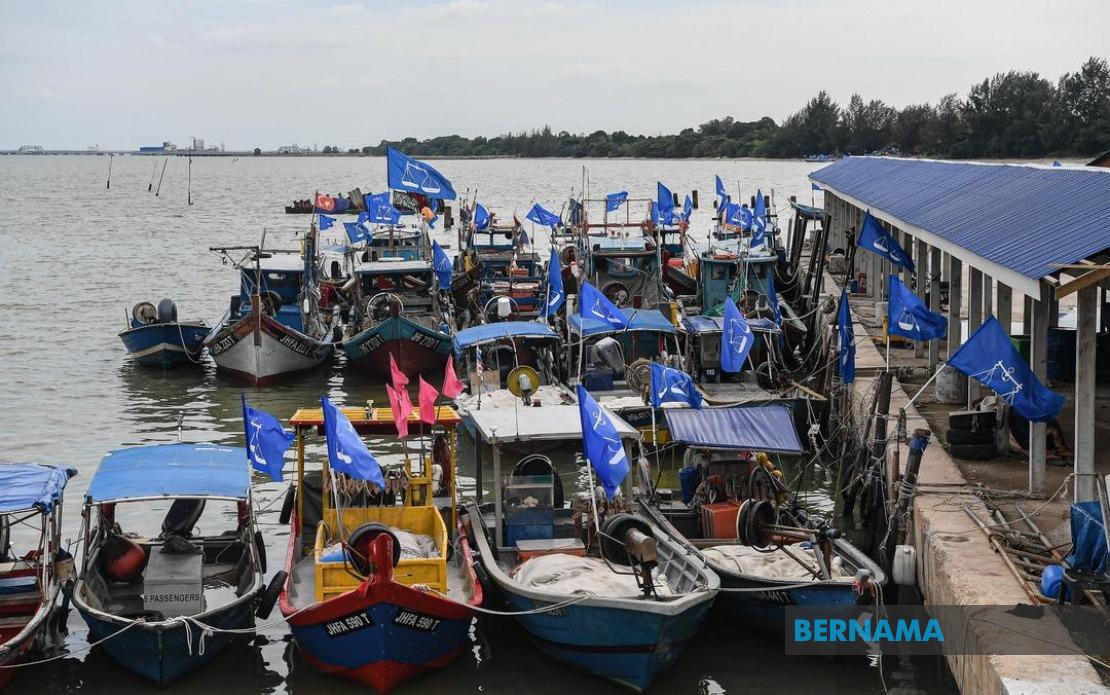
The trading community at Medan Selera Sungai Rengit is entering the Johor state election period with an urgent message for their elected representative: nearly a decade of operating from temporary premises has tested their patience, and meaningful intervention is now overdue. Located within the Tanjung Surat state constituency in Kota Tinggi, this coastal settlement serves as a crucial commercial hub for workers from the Pengerang Integrated Petroleum Complex, yet it remains burdened by inadequate facilities and mounting security concerns that threaten the viability of local enterprises.
The predicament facing Medan Selera Sungai Rengit stems from a displacement that occurred when authorities relocated traders from their original location to accommodate a development initiative. What traders were initially told would be a temporary arrangement of roughly 18 months has stretched indefinitely, leaving business operators stranded in substandard conditions. The authorities subsequently identified an alternative site, but this proposed location has failed to gain acceptance from the trading community, who contend that it lacks the strategic positioning necessary for their operations to thrive and would isolate them from their established customer base.
Beverage trader Lai Swee Hong, who has maintained her business for three decades, articulates the frustrations that pervade the temporary marketplace. The existing arrangement, characterised by simple canvas canopies and plywood structures, offers minimal protection against the elements or securing of merchandise. Beyond the structural limitations, the proposed relocation site presents commercial obstacles that traders view as prohibitive—insufficient parking facilities and location along a one-way thoroughfare would significantly restrict customer access and convenience. For Lai and her counterparts, upgrading the current temporary site would represent a more pragmatic solution that preserves the location's commercial advantages and the loyalty of their regular clientele.
The physical vulnerability of the marketplace has created an environment conducive to criminal activity. Traders operating from open structures without proper doors or locking mechanisms have become easy targets for theft, a problem that has escalated throughout the past year. Food trader Wini Fasiha Zawawi has witnessed multiple incidents of equipment disappearing from her stall, circumstances that despite police reports and notifications to local authorities have not prompted sufficient protective measures. The recurring thefts, though individually modest in value, collectively erode profit margins for small-scale operators who operate with limited financial buffers.
The security situation extends beyond the trading community to encompass environmental factors. Exposure to monsoon rains and intense tropical heat compounds the deterioration of makeshift structures and accelerates the degradation of equipment, adding unexpected maintenance costs to traders already squeezed by operational constraints. These compounding difficulties have transformed what was envisioned as a brief interlude into an extended crisis of neglect, creating palpable frustration among business owners who feel their concerns have been systematically overlooked by authorities.
Parallel to the commercial sector's struggles, Sungai Rengit's fishing community confronts its own economic pressures, rooted in the volatile operating environment of the maritime industry. Fishermen in the settlement face escalating fuel costs that directly impact the viability of their fishing expeditions, threatening their capacity to generate sustainable income. The existing fuel subsidy programme has provided critical assistance, enabling fishing enterprises to remain economically viable despite broader inflationary pressures affecting the cost of living.
Sin Hock Hwee, a fisherman with five decades of experience in the trade, advocates for the continuation and enhancement of fuel subsidy mechanisms. He emphasises that without such support, operational costs at sea would become prohibitively burdensome, forcing practitioners to abandon the profession or operate at economically unsustainable margins. For Sin and his peers, the subsidy represents not merely a conveniences but rather an essential lifeline that permits them to maintain their livelihoods while contributing to national food security through fish production.
Beyond the subsidy framework, younger participants in the fishing sector, such as 35-year-old Hidayat Isa, are advocating for broader governmental attention to maritime infrastructure. The jetty facilities that enable fishing operations require systematic upgrading to align with contemporary operational requirements and safety standards. Hidayat's perspective underscores a generational concern—that the next wave of representatives must demonstrate sensitivity to the needs and aspirations of emerging fishing professionals, not merely preserve existing support mechanisms but actively facilitate sector development.
The aspirations of the Sungai Rengit community extend beyond immediate relief to encompass long-term recognition and investment. Hidayat has articulated a symbolic request that the settlement be designated as an adopted village by the elected state assemblyman, signifying ongoing commitment to the community's welfare and development. This proposal reflects a deeper desire for sustained political engagement and prioritisation rather than episodic attention driven by electoral cycles.
The Tanjung Surat state assembly seat represents a direct contest between two visions for the constituency's future. Pakatan Harapan candidate Faizul Abdul Ghani and incumbent Barisan Nasional representative Aznan Tamin will determine which political perspective prevails as voters cast their ballots. The election, scheduled for July 11 with early voting on July 7, represents the 16th state election cycle in Johor, featuring 172 candidates contesting 56 state seats across the state.
For the residents of Sungai Rengit—whether traders operating beneath canvas or fishermen preparing boats for sea—this electoral moment carries genuine significance. Their expectations transcend partisan political affiliation; instead, they articulate fundamental demands for functional infrastructure, personal security, and economic viability that any responsible elected representative should prioritise. The temporary marketplace and the fishing jetty stand as physical manifestations of governance gaps that the incoming assemblyman will inherit, markers of commitment or indifference to constituency welfare that will shape community perceptions throughout the term.

