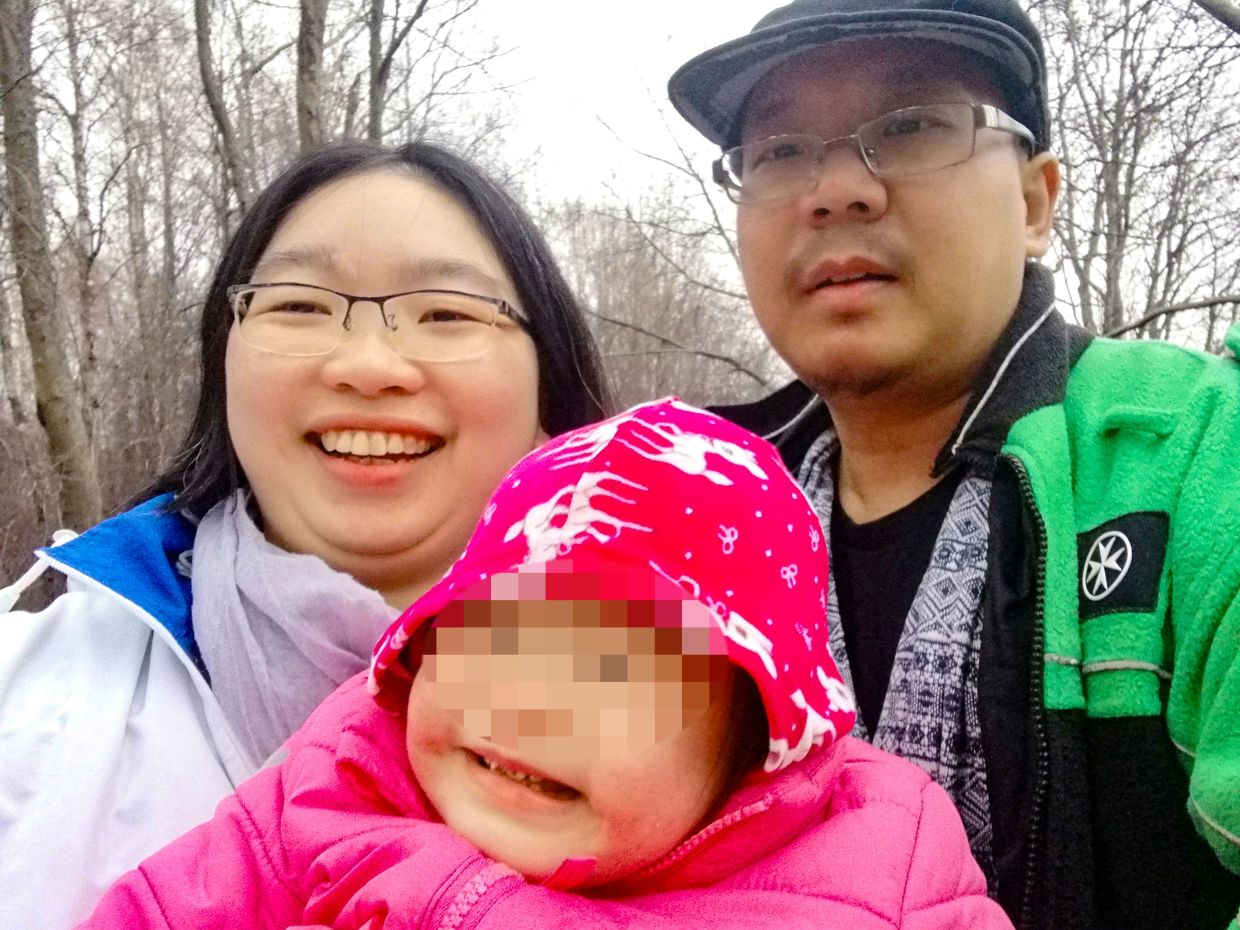
The legal battle over a four-year-old girl named Lily between Hong Kong parents and Swedish welfare authorities has reached a critical juncture, with a Swedish court declining to hear the couple's challenge to the transfer of guardianship to her foster family. The ruling, delivered on June 10, effectively closes off one avenue of appeal for Tsang and Kwan, who have spent years attempting to regain custody of their daughter through various legal proceedings across Scandinavia.
Sweden's Social Welfare Committee documented in its June 3 report that the child required protection from what officials characterised as an unstable living arrangement. The committee's assessment emphasized that Lily needed a home environment marked by emotional warmth, consistent daily routines, and a sense of security—conditions the committee determined were not being met under her parents' care. The committee subsequently applied to local courts to formally appoint the foster family, with whom Lily has resided since May 2024, as her legally designated guardians with full parental authority.
Central to the welfare committee's decision was its evaluation that the parents had demonstrated insufficient understanding of their daughter's emotional and developmental requirements. In its formal statement, the committee noted that neither Tsang nor Kwan had shown what officials termed "receptivity or insight" regarding what was genuinely in Lily's best interests, effectively concluding that ongoing parental care assessments would be necessary before any change in her living arrangements could be considered.
The couple's efforts to reverse this decision have extended beyond legal proceedings. Over recent years, they established a social media campaign titled "Save Lily," where they posted family photographs and official documents in an attempt to mobilise public support for her return. However, this public advocacy strategy has not translated into legal leverage, as the Swedish court determined that judicial review of social welfare determinations is procedurally unavailable. The court ruled that the parents must await formal administrative decisions before any legal challenge to those decisions becomes permissible.
The origins of this custody dispute trace back to circumstances that would prove decisive in subsequent welfare assessments. Lily was born in October 2021 at the couple's residence in Finland, marking their second child. Their first daughter, born at home in 2019, died at one month of age—a loss that would later factor significantly into Finnish and Swedish authorities' concerns about the family's care practices. Finnish officials refused to register Lily's birth partly because her parents maintained their permanent residence in Hong Kong rather than Finland, and partly because they were being investigated for alleged negligence related to their eldest daughter's death.
The family subsequently relocated to Sweden, where circumstances deteriorated further. In December 2023, Swedish authorities arrested both parents on suspicion of money laundering, and Lily was immediately placed into the care of social welfare services. Although the financial crimes investigation was eventually abandoned without charges being filed, the dispute over Lily's guardianship persisted and has continued to escalate through the court system.
The couple's situation has become further complicated by events in Hong Kong. After returning to their home city, Tsang and Kwan welcomed a son, Danny, through another home birth earlier in 2024. When they declined to register the newborn with Hong Kong's Birth Registry and refused to submit to DNA testing to verify their biological relationship to the child, authorities intervened. The infant was placed under the care of Hong Kong's Social Welfare Department, and his parents were released on bail pending further proceedings.
The future of Danny's custody now hinges on assessments by government social workers regarding the parents' parenting capacity and on forthcoming decisions by the Hong Kong court system. The couple has been cooperating with authorities, having recently brought the three-month-old to a Department of Health maternal and child health centre for medical evaluation under social worker supervision. The examination revealed no health complications, potentially strengthening their case, though this outcome alone is unlikely to determine custody outcomes.
Tsang has indicated that the couple's case regarding Danny is scheduled for court hearing later this month. The parallel situations—Lily's guardianship now formally transferred in Sweden and Danny's custody still contested in Hong Kong—present a compelling illustration of the challenges families face when child welfare concerns intersect with international jurisdiction and divergent parenting philosophies across different legal systems. The case also underscores how welfare authorities in multiple countries have independently concluded that the parents' approach to childbirth, child registration, and medical oversight raises sufficient concerns to warrant state intervention in their parental rights.