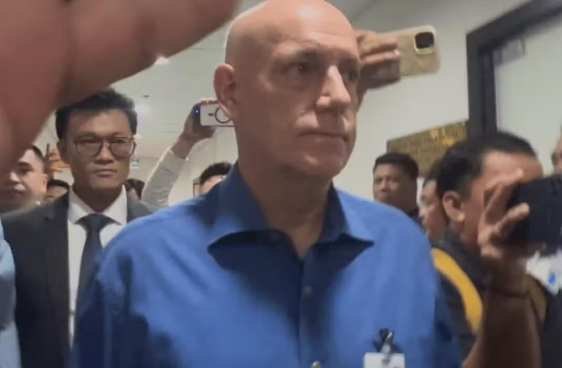
Tab Baldwin, the former head coach of Ateneo de Manila University's men's basketball team, made his long-awaited appearance at the National Bureau of Investigation's Homicide Division on Tuesday afternoon, arriving at approximately 1:45pm accompanied by his legal representative Karl David. The American coach's attendance marked a significant development in the ongoing investigation into the deaths of two Ateneo student-athletes, Rene Baterbonia and Divine Adili, who lost their lives during a swimming activity organised by the team in Dipaculao, Aurora, earlier this month.
Baldwin's tardiness in responding to official summons has drawn considerable scrutiny. He failed to present himself at the bureau on June 16, with his attorney appearing instead to explain that the coach was unwell and unable to comply with the appearance order. Just three days later, Baldwin missed a second scheduled appointment with the NBI after simultaneously conducting a separate interview with the Philippine National Police-Criminal Investigation and Detection Group, a coordination that raised questions about the sequencing and management of the dual investigations.
Both law enforcement agencies—the NBI and the PNP-CIDG—have been conducting parallel inquiries into the circumstances surrounding the drowning incident. This dual-track approach reflects the complexity and high-profile nature of the case, given that it involves prominent sporting figures and questions about duty of care during team-organised activities. The involvement of two separate investigative bodies has created procedural challenges, particularly regarding consistency of witness statements and the coordination of evidence gathering.
NBI Director Melvin Matibag announced that investigators plan to conduct a comprehensive comparison between Baldwin's statement provided to the bureau and his earlier testimony delivered to the PNP-CIDG the previous Friday. This comparative analysis is crucial for identifying any inconsistencies or discrepancies that might shed light on what transpired during the fatal swimming activity. Such cross-referencing of statements is a standard investigative technique used to corroborate accounts and identify potential gaps or contradictions in witness narratives.
The case has significant implications for Philippine sports administration and the responsibilities of coaches during team activities. Universities and sporting organisations across Southeast Asia face similar questions about liability, supervision standards, and the duty of care owed to student-athletes participating in off-campus events. The outcome of this investigation will likely influence how educational institutions structure risk management protocols for team activities going forward.
Baldwin's tenure at Ateneo has been notable within Philippine basketball circles, with the university's program having achieved considerable success under his coaching. However, the tragic incident has cast a shadow over his legacy and raised broader questions about the protocols governing team activities, particularly those involving water sports or swimming. Coaches and athletic directors across the region are watching this case closely, recognising its potential to shape institutional policies and legal frameworks surrounding student-athlete safety.
The investigation comes at a sensitive time for Philippine collegiate athletics. The deaths of Baterbonia and Adili have sparked public debate about whether current safeguards are adequate to protect student-athletes from preventable accidents. Parents, educators, and sports administrators have begun reassessing whether existing guidelines for team activities are sufficient, particularly regarding supervision requirements, emergency response procedures, and liability insurance coverage.
Baldwin's legal strategy appears to be carefully managed, with Karl David ensuring his client's presence alongside appropriate legal protections. The coach's initial absence from investigative proceedings may have been medically justified or strategically advised, but his eventual appearance signals a shift in his approach to cooperating with authorities. His willingness to present himself, combined with investigators' stated timeline for concluding the probe this week, suggests the investigation is entering its final phase.
The NBI's intention to wrap up its inquiry by the end of the week indicates that investigators believe they have gathered sufficient evidence to reach preliminary conclusions. Whether this leads to any formal charges or recommendations will depend on what the evidence reveals about supervision, response procedures, and potential negligence during the fatal activity. Such determinations carry serious consequences for Baldwin personally and could influence how Philippine universities structure their athletic programmes.
For the broader Southeast Asian sports community, this case underscores the importance of establishing robust safety protocols and ensuring that coaches and administrators prioritise athlete welfare above competitive considerations. The investigation's outcome will likely inform best practices across the region, particularly regarding how educational institutions approach risk management during team activities and the training that coaches receive in emergency preparedness and duty of care.
The families of Baterbonia and Adili are undoubtedly seeking clarity about the circumstances leading to their loved ones' deaths and answers about whether institutional failures contributed to the tragedy. The investigation's conclusions will be watched closely by grieving families, fellow athletes, and institutional leaders throughout the Philippines and across the region, as this case has become emblematic of broader questions about student safety in organised sports.

