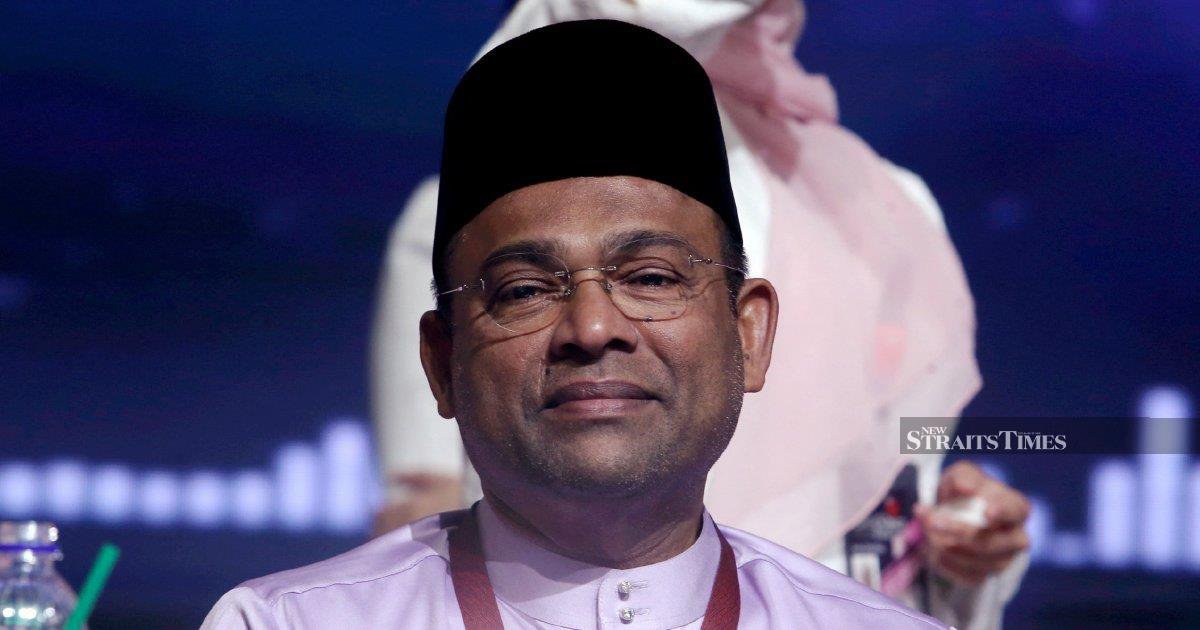
Datuk Seri Abdul Azeez Abdul Rahim, who previously led Tabung Haji, has rejected pressure from Bersatu demanding that he publicly confirm whether he has been contacted by the Malaysian Anti-Corruption Commission regarding the Royal Commission of Inquiry findings into the pilgrim fund's operations. The former chairman's dismissive stance reflects growing tension surrounding the RCI's conclusions and their potential implications for past management.
Azeez's assertion that his name does not appear anywhere in the RCI report represents a significant claim, as it suggests he may not have been directly implicated in the investigative body's findings. The Royal Commission was tasked with examining governance issues, financial irregularities, and management decisions at Tabung Haji, Malaysia's Islamic pilgrimage fund that manages billions in assets belonging to millions of Muslim citizens preparing for the Hajj pilgrimage. Such a sweeping inquiry typically scrutinises the tenure of previous leadership figures.
Bersatu's call for Azeez to disclose whether the MACC had approached him carries political undertones, as the party seeks to establish transparency around the enforcement machinery's response to the RCI findings. In Malaysia's complex political landscape, such demands often serve dual purposes: demonstrating commitment to anti-corruption efforts while simultaneously building a public record of responses that may carry electoral implications. The timing of these calls suggests Bersatu views the matter as significant enough to warrant parliamentary-level attention.
The relationship between the RCI report and MACC investigations remains unclear to the public. While the Royal Commission produces findings and recommendations, actual prosecution decisions rest with the anti-corruption body. The MACC must independently assess whether evidence warrants further action, meaning the presence or absence of specific names in the RCI report does not automatically determine investigative priorities. This distinction is crucial for understanding how Malaysia's corruption enforcement architecture functions.
Tabung Haji itself has become a focal point for governance scrutiny over recent years. The fund, which holds pilgrim savings and investment returns, has faced multiple controversies including questions about financial management during market downturns, asset allocation decisions, and administrative transparency. The RCI inquiry represented an official attempt to evaluate these concerns systematically and assign accountability where warranted. Its findings have therefore carried substantial weight in public discourse about institutional integrity.
For Malaysian Muslim citizens who contribute regularly to Tabung Haji as part of their pilgrimage savings strategy, the governance questions raised carry personal financial implications. Any mismanagement or financial irregularities directly affect the value of their accumulated funds and the reliability of the institution as a savings vehicle. This reality explains why the RCI and subsequent investigations command public attention beyond mere political interest.
The broader context of Malaysia's anti-corruption efforts appears relevant here. The MACC has pursued various high-profile cases in recent years, establishing a track record of investigating former senior officials across multiple sectors. Whether this inquiry extends to Tabung Haji's previous leadership, and to what extent the RCI report influences those decisions, remains an important question for institutional accountability. Azeez's statement that his name does not feature in the document may reflect genuine exoneration, or alternatively, that the RCI chose not to focus on specific individuals while critiquing systemic issues.
The pilgrim fund's significance extends beyond individual savings considerations. Tabung Haji operates across Southeast Asia, with Malaysian diaspora communities in neighbouring countries participating in the scheme. Governance failures at such an institution therefore carry regional implications, affecting not only domestic confidence in Islamic financial institutions but also perceptions of Malaysia's regulatory frameworks among investors and participating communities across the region.
Azeez's decision to emphasise the absence of his name rather than directly addressing whether the MACC contacted him represents a careful rhetorical choice. By framing the issue around the RCI report's contents, he potentially sidesteps the substantive question about enforcement agency engagement without explicitly denying it. This approach is consistent with legal advice to minimise public statements when investigations remain active or potential legal exposure exists.
The RCI process itself merits examination as a governance tool. Such commissions serve Malaysian society by providing structured, public investigation into significant institutional failures. However, the gap between RCI recommendations and enforcement action can sometimes leave the public uncertain about consequences and accountability. In this case, the apparent absence of direct engagement between Azeez and inquiring authorities—if accurate—may suggest the RCI's scope differed from what some anticipated.
Looking forward, the question of accountability at Tabung Haji will likely remain under public scrutiny. Whether through MACC prosecution, civil proceedings, or administrative measures, Malaysian institutions must demonstrate that governance lapses carry consequences. The former chairman's statements contribute to an evolving narrative about institutional responsibility and the effectiveness of Malaysia's anti-corruption mechanisms in addressing potential wrongdoing at major financial institutions entrusted with public assets.

