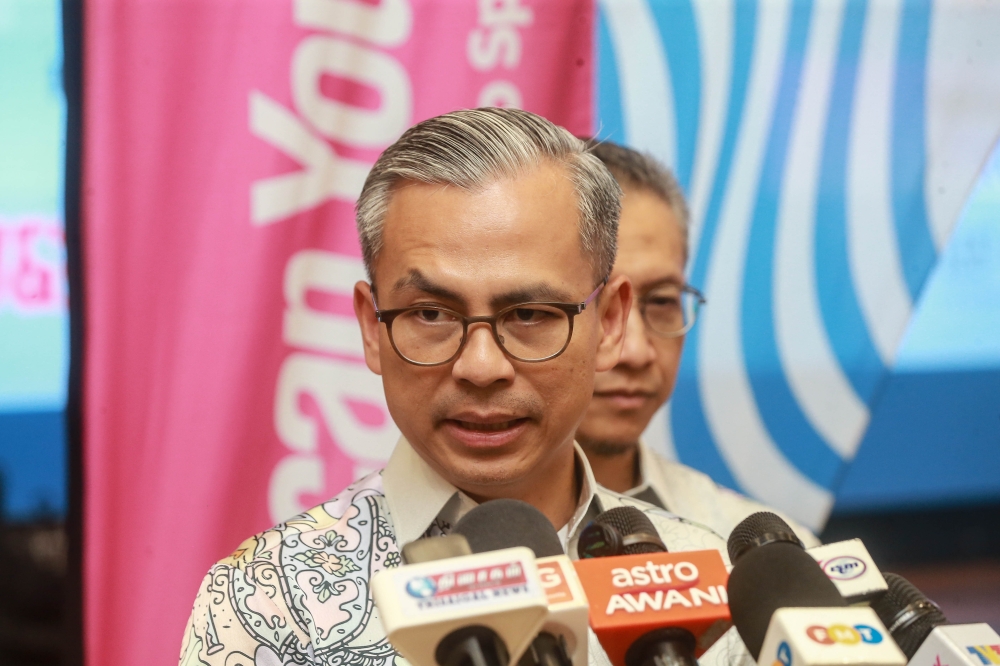
The government has initiated a multi-agency investigation into allegations raised in the Lembaga Tabung Haji Royal Commission of Inquiry report, with Communications and Digital Infrastructure Minister Fahmi Fadzil announcing that the findings will be distributed to police, the Malaysian Anti-Corruption Commission (MACC), Bank Negara Malaysia, and the Inland Revenue Board (IRB) for separate examination and potential enforcement action.
This coordinated referral approach underscores the complexity of the issues identified in the RCI investigation, which was tasked with scrutinising the management and financial affairs of Tabung Haji, Malaysia's largest Islamic pilgrimage savings institution and one of the country's most significant sovereign wealth funds. The decision to involve multiple regulators and law enforcement agencies suggests that the RCI uncovered concerns spanning criminal conduct, corruption, financial regulatory violations, and potential tax-related issues—matters that fall within the jurisdiction of different authorities.
Tabung Haji's prominence in the Malaysian financial landscape makes the RCI's conclusions particularly significant for the broader economy and public confidence in Islamic financial institutions. The fund, which manages savings from millions of Malaysian Muslims preparing for the Hajj pilgrimage, had previously faced scrutiny over investment losses and operational management decisions. A comprehensive investigation across four separate agencies indicates the severity of allegations and the government's apparent commitment to establishing accountability through multiple investigative pathways.
The referral to police represents the potential for criminal charges to be pursued against individuals responsible for any wrongdoing identified in the RCI report. Malaysian police's Commercial Crime Investigation Department would be responsible for examining allegations of fraud, embezzlement, breach of trust, or other criminal conduct related to the mismanagement or misappropriation of Tabung Haji's funds and assets. This criminal investigation pathway is essential for establishing personal criminal liability and potential imprisonment for those found culpable.
The MACC's involvement signals that corruption allegations form a central component of the RCI's findings. As Malaysia's primary anti-corruption agency, MACC would investigate whether public officials, board members, or other individuals entrusted with responsibilities at Tabung Haji abused their positions for personal gain or engaged in corrupt transactions that harmed the institution. The MACC investigation could lead to charges under the Malaysian Anti-Corruption Commission Act 2009, which carries serious penalties including substantial fines and imprisonment.
Bank Negara Malaysia's examination of the report would focus on regulatory and prudential aspects, particularly whether Tabung Haji breached any banking laws, Islamic banking regulations, or central bank directives governing the conduct of Islamic financial institutions. The central bank has authority to impose sanctions on financial institutions that violate regulations, revoke licenses, or order remedial measures to restore institutional integrity and protect depositors' interests. This regulatory scrutiny is crucial given Tabung Haji's significance as a trusted custodian of Muslim savings.
The IRB's involvement suggests the RCI may have identified concerns related to tax compliance or potential tax-related misconduct. Whether through investigation of individuals' tax filings, the institution's own tax obligations, or examination of transactions that may have had tax implications, the IRB's referral ensures that any tax-related issues are properly investigated and appropriate enforcement action taken. This multi-agency approach prevents regulatory gaps where misconduct might fall between jurisdictional boundaries.
For Malaysian Muslims and Tabung Haji account holders, the government's coordinated response offers some assurance that alleged wrongdoing will be examined thoroughly through appropriate legal and regulatory frameworks. However, the scale of the referral also underscores serious concerns about institutional governance and fund management that likely contributed to the decision to establish the RCI in the first place. The months or years required to complete investigations across four agencies means that full accountability and resolution of the underlying issues may take considerable time.
The referral also carries implications for regional perceptions of Islamic financial institutions and governance standards across Southeast Asia. Malaysia's willingness to subject Tabung Haji to rigorous investigation and hold officials accountable could either demonstrate commitment to institutional integrity or raise questions about previous governance deficiencies that went undetected. Other Muslim-majority countries and international investors monitoring developments at Malaysian Islamic institutions will be observing the outcomes of these investigations closely.
Minister Fahmi's announcement represents a formal pivot from investigative inquiry to enforcement action, marking the transition from fact-finding to legal accountability. The coordinated referral to police, MACC, Bank Negara, and the IRB creates overlapping investigative jurisdictions that, while requiring careful coordination to avoid duplication, provide multiple avenues for establishing culpability and pursuing remedies. The ultimate effectiveness of this approach will depend on the quality of evidence in the RCI report, the investigative capacity of each agency, and the political will to pursue high-profile cases involving senior figures connected to the institution.
Stakeholders are now awaiting details of the RCI's specific findings and recommendations, which will determine the scope and focus of each agency's investigation. The government's decision to distribute the report to multiple authorities signals an expectation that investigations will proceed rapidly and that accountability measures will be implemented to restore confidence in Tabung Haji's governance and protect the interests of millions of account holders.

