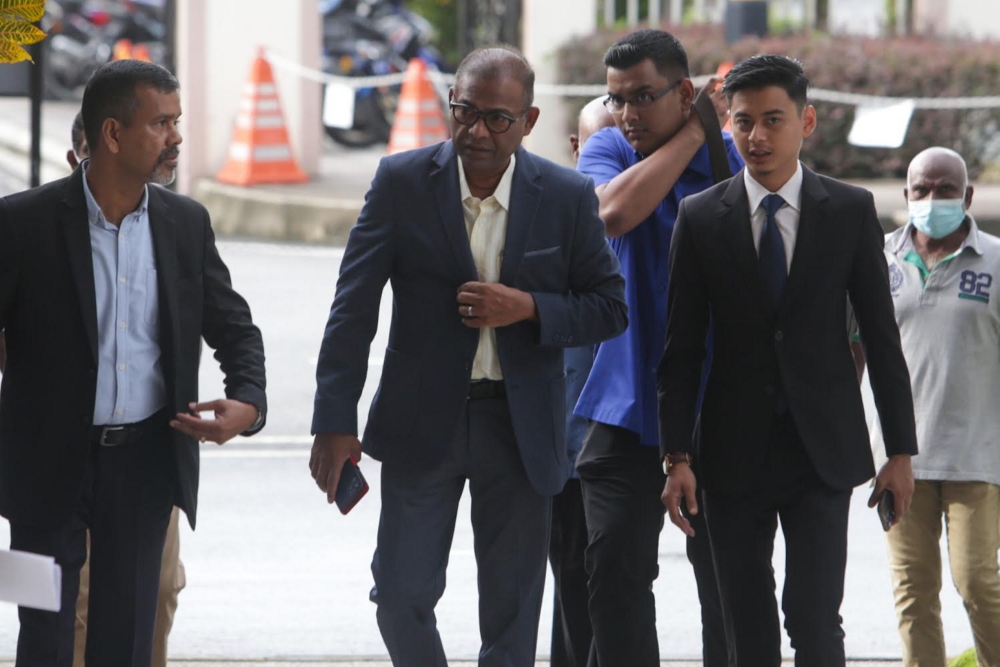
The son of former Baling Member of Parliament Datuk Seri Abdul Azeez Abdul Rahim has firmly rebutted circulating social media allegations that his father is facing imminent arrest by the Malaysian Anti-Corruption Commission related to the Tabung Haji Royal Commission of Inquiry. Speaking publicly to address the viral claims, the younger Abdul Azeez stressed that such speculation lacks any factual foundation and urged the public to disregard unverified information spreading across digital platforms.
The emergence of these rumours highlights the persistent challenge of misinformation in Malaysian political discourse, where unsubstantiated claims can rapidly gain traction through WhatsApp groups, Facebook, and X (formerly Twitter) before being formally addressed by those allegedly affected. In this instance, what began as social media chatter escalated sufficiently to warrant a direct public response, indicating the seriousness with which the family has treated these unfounded assertions. The speed at which such narratives circulate underscores how digital communication channels can amplify speculation about high-profile political figures and their connections to ongoing investigations.
The Tabung Haji Royal Commission of Inquiry remains a significant focus of public interest, having examined the management and operations of the Islamic pilgrimage fund. The commission's work has generated considerable scrutiny regarding administrative practices and financial governance within the institution, which manages the savings of Malaysian Muslims preparing for the Hajj pilgrimage. Various political figures have come under examination as part of this broader institutional review, making any associated allegations inherently sensitive within Malaysia's political landscape.
Datuk Seri Abdul Azeez Abdul Rahim's parliamentary tenure representing Baling represents a notable chapter in his political career, and his subsequent roles have maintained his visibility within national discourse. The targeting of his family name in online rumours reflects how closely scrutinised figures with political histories remain, particularly when contemporary investigations touch upon areas in which they previously held influence or responsibility. This phenomenon is not unique to Abdul Azeez; numerous Malaysian politicians and public figures have similarly found themselves the subjects of viral rumours linking them to various ongoing inquiries and enforcement actions.
The distinction between genuine investigative action by enforcement authorities and speculative social media narratives carries significant weight for those affected. Official announcements from the Malaysian Anti-Corruption Commission regarding investigations or enforcement measures are typically communicated through formal channels rather than emerging first as social media rumours. This fundamental difference—between authoritative institutional communication and unverified digital speculation—forms the basis of the son's rebuttal, effectively challenging the credibility of claims lacking any official corroboration.
The psychological and reputational impact of such rumours extends beyond the individuals directly implicated, affecting their families and networks. By issuing a public denial, the son has undertaken damage control while simultaneously drawing attention to the rumour itself—a common dilemma faced by those responding to viral misinformation. The decision to engage publicly rather than remain silent reflects a calculated approach to managing the narrative, particularly important given the potential implications for his father's standing and legacy within Malaysian political circles.
From a broader perspective, this incident exemplifies the tension between transparency in governance and the challenges posed by digital-age rumour mills. While Royal Commissions of Inquiry serve as important mechanisms for institutional accountability, the public discourse surrounding them can become muddied by unverified claims that blur the line between legitimate political scrutiny and baseless speculation. The Malaysian public interest in Tabung Haji matters is entirely justified; however, distinguishing between credible reporting and rumour becomes increasingly difficult in an environment saturated with unverified information.
The role of social media platforms in amplifying such narratives has drawn criticism from various quarters, including media professionals and civil society observers who argue that verification mechanisms remain inadequate. In Malaysia specifically, concerns about the viral spread of false information relating to governance issues have prompted discussions about digital literacy and the responsibility of platforms to combat misinformation more robustly. The Tabung Haji rumour serves as a contemporary case study in these ongoing debates about information integrity and public discourse.
Moving forward, this incident underscores the importance of distinguishing between formal investigative processes and digital speculation when assessing claims about public figures. The MACC and other enforcement bodies maintain established protocols for announcing investigations and actions, protocols that provide legitimacy through official channels. Conversely, claims emerging primarily through social media warrant heightened scrutiny regarding their evidentiary basis. For Malaysian readers following political developments, maintaining this critical perspective helps separate substantive accountability journalism from unverified gossip that can mislead public understanding of actual institutional and investigative developments.

