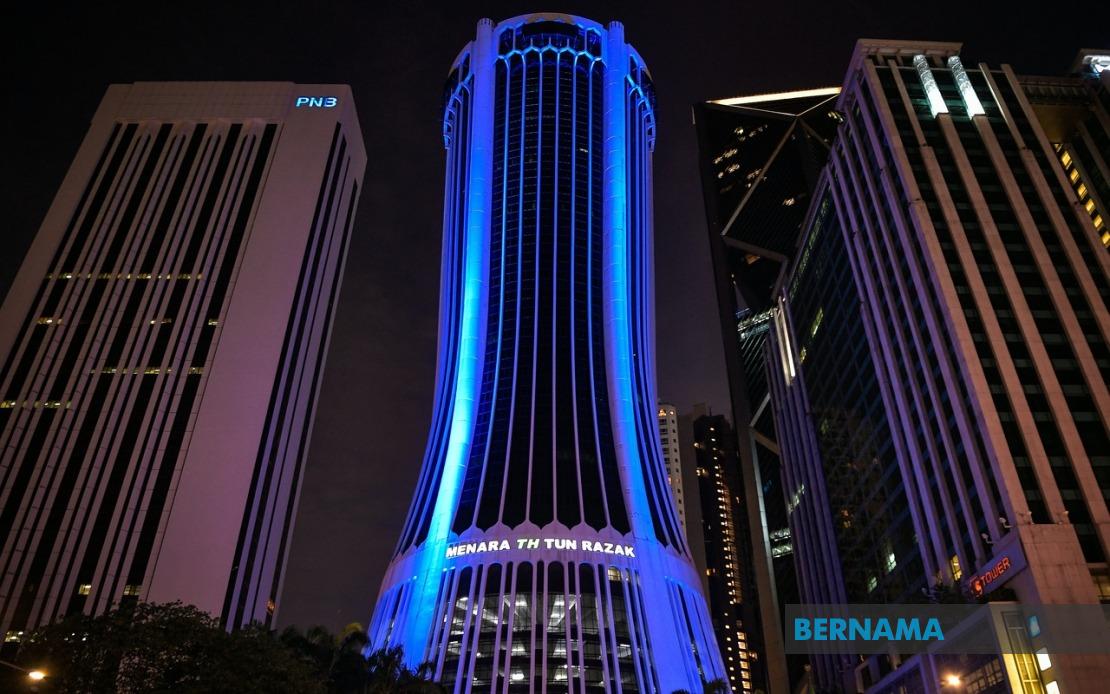
Tabung Haji has committed to carefully examining a memorandum submitted by Islamic non-governmental organisations seeking heightened accountability measures and accelerated implementation of governance reforms. The nation's haj management institution, which serves 9.8 million depositors, acknowledged that the proposals reflect genuine community concern about protecting Muslim interests and strengthening the organisation's institutional integrity. The move signals TH's openness to stakeholder input as it navigates a critical phase of organisational recovery and public trust restoration following years of controversy and mismanagement.
The memorandum, jointly presented by Himpunan Gerakan Islam Malaysia (HIKAM) and the Coalition of Islamic NGOs, contained ten specific demands addressing legal accountability, asset recovery, and governance transparency. HIKAM comprises four constituent organisations: WADAH, IKRAM, HALUAN, and ABIM, collectively representing a significant cross-section of Malaysian Islamic civil society. The coalition's intervention underscores how deeply the Tabung Haji situation resonates within Muslim communities, where concerns about institutional mismanagement directly affect religious obligations and personal savings of millions of Malaysians planning their pilgrimage journeys.
The NGO groups specifically called for immediate and transparent legal proceedings against those responsible for financial misappropriation, comprehensive recovery of misused assets and benefits, publicly scheduled implementation timelines for all RCI recommendations, and continuation of governance reforms under the current administration. Crucially, they cautioned against allowing the issue to become weaponised for political advantage, warning that exploitation could deepen divisions and undermine confidence in the institution among Muslim Malaysians. This balanced approach—combining demands for accountability with appeals for unity—reflects the NGOs' understanding that institutional recovery requires both justice and social cohesion.
Tabung Haji responded positively, emphasizing that it has already implemented more than 75 percent of the Royal Commission of Inquiry's recommendations and maintains active momentum on completing outstanding measures. The institution positioned itself as substantially stronger in 2024 compared to 2018, attributing this recovery trajectory to eight consecutive years of continuous improvement efforts. This framing attempts to demonstrate tangible progress while acknowledging that work remains incomplete. For Malaysian depositors and prospective pilgrims, such progress metrics carry significant weight, as they directly correlate with the safety and accessibility of their accumulated haj savings.
The Royal Commission of Inquiry into Tabung Haji had issued a comprehensive investigation that exposed systemic weaknesses in governance, decision-making processes, and financial controls. The RCI's findings detailed how lapses in institutional oversight, combined with inadequate checks on executive authority, created conditions enabling losses and misappropriation. The remaining 25 percent of unimplemented recommendations likely address deeper structural issues requiring more complex organisational changes, regulatory adjustments, or regulatory framework modifications that take longer to execute than straightforward administrative corrections.
Daie MADANI, another significant stakeholder, threw its support behind TH leadership while echoing demands for completion of remaining reforms. The organisation affirmed confidence in Tabung Haji chairman Tan Sri Abdul Rashid Hussain's administration and its commitment to managing depositor funds according to the highest standards of fiduciary responsibility. Daie MADANI's public endorsement carries weight within Islamic institutional circles and suggests that at least some segments of the Muslim leadership structure perceive genuine reform momentum rather than mere cosmetic changes or defensive posturing.
The timing of this NGO intervention reflects growing impatience within civil society for visible completion of RCI recommendations. While three-quarters implementation represents substantial progress, the final quarter often contains the most politically sensitive or organisationally disruptive measures. These could involve personnel changes at senior levels, fundamental restructuring of decision-making authority, expansion of independent oversight mechanisms, or enhanced regulatory reporting requirements that alter how the institution operates. The NGOs' emphasis on transparency and scheduled implementation suggests concern that remaining recommendations might be delayed indefinitely or implemented half-heartedly.
For Malaysian Muslim depositors, the NGO pressure campaign addresses genuine anxieties about institutional reliability. Tabung Haji holds approximately RM75 billion in depositor funds, making it one of the largest Islamic financial institutions in Southeast Asia. Any lingering governance weaknesses expose these savings to continued risk, potentially jeopardising the pilgrimage plans of millions who have contributed regularly throughout their working lives. The public demand for rapid, comprehensive reform reflects this high personal financial stake and religious significance of the institution.
The NGOs' careful warning against political exploitation of the Tabung Haji issue reveals sophisticated understanding of Malaysian institutional politics. Previous scandals affecting major national institutions have sometimes become fodder for partisan conflict rather than catalysts for genuine systemic improvement. By explicitly caution against such weaponisation, civil society actors attempt to establish a protective boundary around institutional recovery efforts, ensuring that reform momentum remains focused on restoring public confidence rather than generating political advantage for any particular faction.
Tabung Haji's acceptance of the NGO memorandum for review, combined with public commitment to completing remaining RCI recommendations, sets expectations for demonstrable action within defined timeframes. The institution now faces implicit deadline pressure to show substantive progress on the final 25 percent of recommendations. For Malaysian Muslim communities and depositors, these competing statements from Tabung Haji leadership and civil society representatives signal that institutional accountability mechanisms, while strengthened considerably, remain under active monitoring and remain subject to sustained public scrutiny. The ultimate test of reform success will rest on whether completed recommendations translate into measurably stronger governance practices and enhanced protection of depositor interests moving forward.

