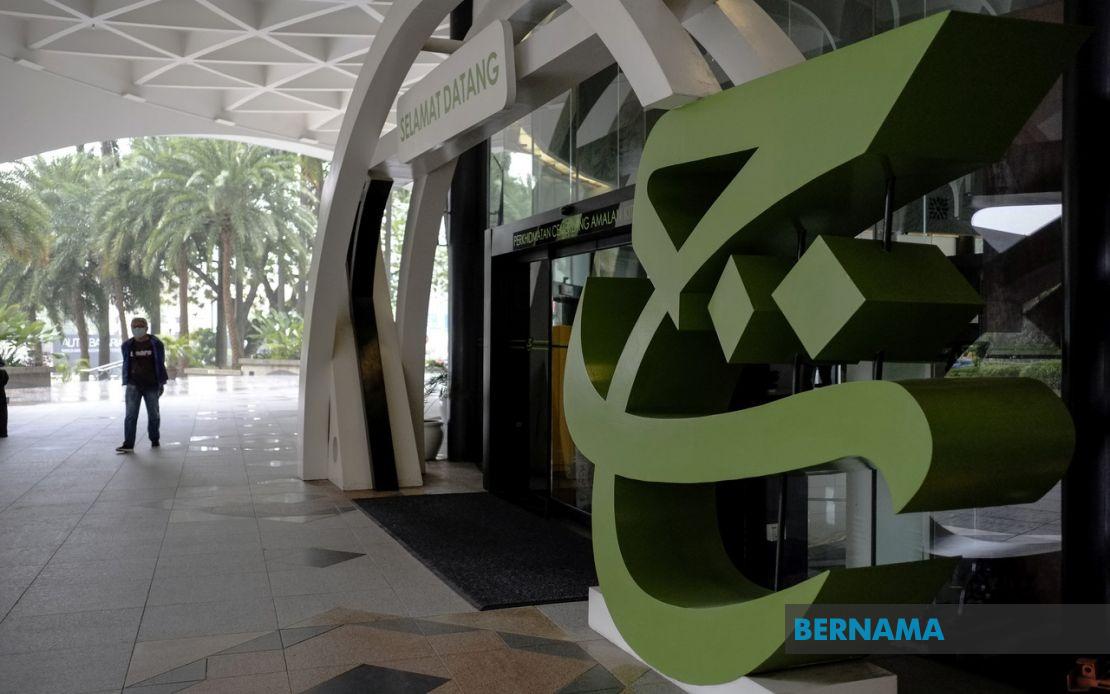
Tabung Haji has demonstrated substantial financial recovery following the implementation of a comprehensive restructuring and recovery plan that resolved significant investment losses accumulated over previous years, according to a fully declassified Royal Commission of Inquiry report released this week. The crisis that nearly crippled the pilgrim fund operator has been substantially addressed, with RM10 billion of the RM12.6 billion in losses handled under the 2018 Recovery Plan and the remaining RM2.6 billion dealt with progressively until the end of 2025. The findings, based on an extensive examination of the institution's operations and recovery measures, provide reassurance to the millions of Malaysian pilgrims who entrust their savings with Tabung Haji for the hajj journey.
The improvement in Tabung Haji's financial condition is clearly visible in its operational performance metrics. Last year, the institution generated investment income of RM4.64 billion, representing its strongest performance since 2018 and signalling a genuine turnaround from the dark period of heavy losses. This recovery trajectory has enabled management to increase profit distributions to depositors substantially, rising from just 1.25 per cent in 2018 to 3.25 per cent in 2024 and 3.5 per cent in 2025. These rising distributions reflect growing confidence in the institution's financial stability and its capacity to generate returns for the depositors who depend on these funds for their religious obligations.
Central to Tabung Haji's recovery strategy was the establishment of Urusharta Jamaah Sdn Bhd (UJSB), a government-owned special purpose vehicle that acquired the institution's underperforming assets. The transfer mechanism, while controversial at the time, enabled Tabung Haji to concentrate on its core mission of managing hajj operations rather than struggling with a portfolio of problematic investments. Assets valued at RM9.7 billion in market terms were transferred to UJSB at a price of RM19.9 billion, effectively creating a RM10.2 billion premium that represented government support for stabilising the institution. The Royal Commission of Inquiry concluded that this restructuring was instrumental in preserving Tabung Haji's financial viability and preventing a potentially catastrophic collapse of the pilgrim savings system.
While celebrating the recovery achievements, the RCI was notably cautious about declaring the crisis fully resolved. The commission emphasised that the recovery plan should not be viewed as a permanent solution to underlying systemic problems, and it identified several critical structural issues requiring attention. Among these concerns is the need to strengthen corporate governance frameworks, review and potentially modernise the Tabung Haji Act 1995 (Act 535) to reflect contemporary standards, enhance risk management capabilities, and establish a comprehensive regulatory framework to ensure the institution remains resilient against future shocks. These recommendations go beyond the immediate financial fixes and address the institutional weaknesses that contributed to the investment losses in the first place.
A significant concern highlighted by the RCI involves the sustainability of government support mechanisms that underpinned the recovery plan. The commission expressed particular worry about whether the government will have the capacity to redeem the sukuk issued by UJSB and continue providing annual cash allocations that were previously committed by the Cabinet. If such support falters, Tabung Haji could face a situation where it distributes profits to depositors without corresponding cash backing, creating a precarious financial position. This warning suggests that while the institution has stabilised, its recovery depends partially on continued government financial commitments that extend into the future and may face budgetary pressures.
Tabung Haji's partial recovery of assets previously transferred to UJSB demonstrates the complex nature of the restructuring process and the institution's increasing confidence in its financial position. The pilgrim fund operator repurchased land at Tun Razak Exchange for RM270 million, a reduction from the RM400 million original transfer price, indicating that asset valuations have shifted since the initial restructuring. Similarly, the repurchase of UJ Estates (Holdings) Sdn Bhd oil palm plantation for RM695 million, below the original RM800 million transfer price, suggests opportunities to optimise the asset portfolio as market conditions and institutional priorities evolve. These transactions indicate that Tabung Haji management now possesses sufficient financial strength to selectively reacquire assets deemed strategically important.
The financing of the UJSB restructuring through sukuk issuances backed by government letters of support created a complex financial structure requiring careful management. The two sukuk issued carry annual profit rates of 4.05 per cent and 4.10 per cent, creating ongoing obligations that must be serviced from government resources or Tabung Haji's operational performance. Understanding this financing mechanism is important for stakeholders and policy makers, as the sustainability of these debt obligations directly impacts the long-term stability of the pilgrim savings system. The government's capacity to honour these commitments during periods of fiscal constraint will be critical to avoiding a resurgence of financial problems.
The Royal Commission's recommendation that 75 per cent of its suggested reforms have already been implemented represents meaningful progress, though it also underscores the significant work remaining. The government has committed to accelerating implementation of the remaining 25 per cent of recommendations, a timeline that deserves close monitoring given the importance of these reforms. Areas such as strengthening governance structures, enhancing cost controls, and improving risk management frameworks require sustained institutional commitment and potentially legislative changes. The pace of these reforms will largely determine whether Tabung Haji can achieve genuine long-term sustainability or whether it remains vulnerable to future crises.
For Malaysian pilgrims and the broader financial ecosystem, Tabung Haji's recovery carries important implications. The institution manages savings belonging to millions of Malaysians who depend on these funds for one of Islam's five pillars, making its stability a matter of significant religious and social importance. A functioning Tabung Haji also reduces pressure on individual pilgrims to secure private financing for hajj costs, thereby strengthening the accessibility of this religious obligation across income groups. The successful recovery demonstrates that even institutions facing severe financial crises can be rehabilitated through decisive government intervention and structured restructuring, though such interventions carry fiscal costs that ultimately fall on taxpayers.
Looking forward, the Royal Commission's message is fundamentally one of cautious optimism tempered by awareness of continuing vulnerabilities. The financial crisis appears to have been contained and the institution's immediate viability secured through the recovery plan. However, the warning that structural reforms remain incomplete signals that Tabung Haji's journey toward robust resilience is not yet finished. Malaysian policy makers must recognise that the work of stabilising this crucial institution is ongoing and that the RCI's recommendations regarding governance, regulation, and risk management represent not optional improvements but essential requirements for safeguarding pilgrim deposits and the financial system as a whole. The coming years will test whether the government and Tabung Haji management can sustain momentum on these reforms and whether the institution can transition from financial recovery to genuine operational excellence.

