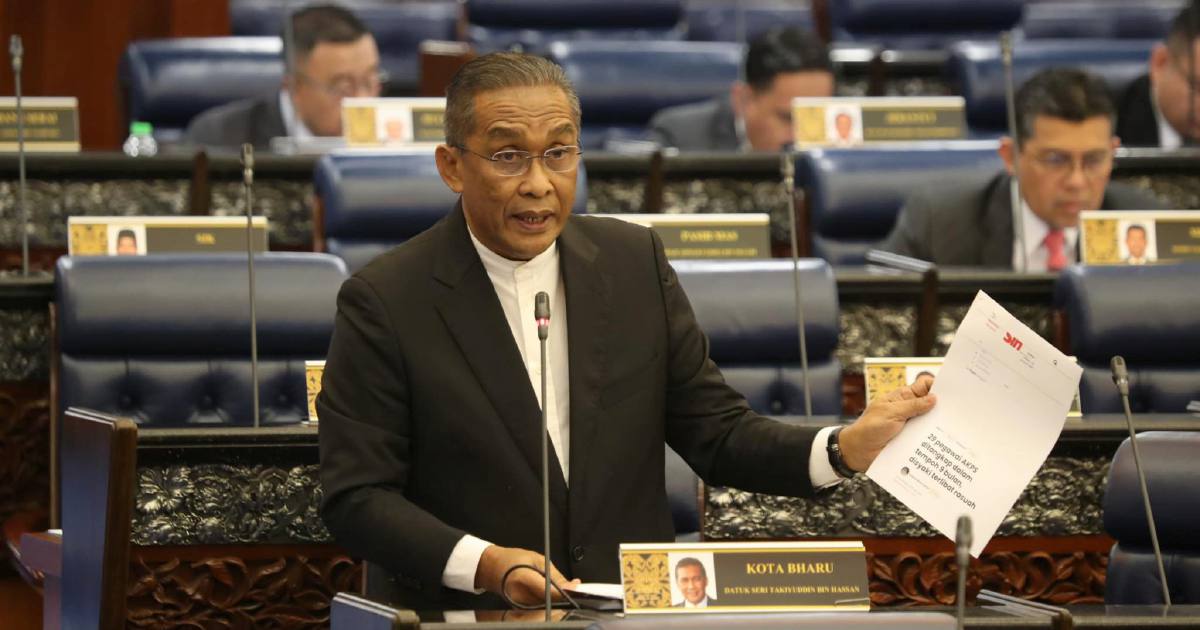
The Opposition's chief whip Datuk Seri Takiyuddin Hassan has formally requested that the special sitting of the Dewan Rakyat scheduled to debate the Royal Commission of Inquiry findings into Tabung Haji be postponed until Prime Minister Datuk Seri Anwar Ibrahim is able to return to Parliament. His intervention signals mounting scrutiny over the timing of the parliamentary session and raises questions about the appropriateness of proceeding without the nation's chief executive present for what is expected to be a significant discussion on the sovereign wealth fund.
The request underscores broader parliamentary conventions around major policy discussions and government accountability. In Malaysia's Westminster-influenced system, the presence of the Prime Minister during substantive debates—particularly those involving Royal Commission inquiries into sensitive matters affecting public institutions and funds—carries symbolic and practical weight. Takiyuddin's position reflects concerns that meaningful parliamentary dialogue requires the participation of the head of government, especially when the RCI findings may warrant policy responses or clarifications that only the Prime Minister can authoritatively provide.
Tabung Haji has long been a focus of public concern and parliamentary scrutiny. The fund, which manages pilgrim savings and investment portfolios for Malaysian Muslims preparing for the hajj, has faced criticism over its financial management and investment decisions in recent years. The establishment of an RCI to investigate its operations represents an acknowledgment of widespread anxiety about governance standards and accountability within the institution, making the upcoming parliamentary discussion a significant moment for transparency and reform discourse.
The timing of this parliamentary sitting appears crucial to the Opposition's strategy. By calling for a postponement, Takiyuddin is effectively stalling what may be a politically sensitive debate, potentially limiting Government momentum on the issue or ensuring that discussions occur under different parliamentary dynamics than currently planned. This tactical positioning is typical of parliamentary procedure, where timing can significantly influence the tenor and outcomes of debates on contentious matters.
Anwar's temporary absence from Parliament raises practical questions about legislative continuity and executive accountability. During periods when the Prime Minister is absent from the chamber—whether due to international engagements, health reasons, or other commitments—the dynamics of parliamentary debate inevitably shift. Opposition members may see reduced opportunity for direct questioning or challenging statements, while Government backbenchers lose the opportunity to hear firsthand responses and directives from their leader on matters their constituents care about.
The Tabung Haji RCI findings themselves carry potential implications for Government policy direction. If the commission has identified systemic weaknesses, mismanagement, or institutional failures, the Government's response will likely include legislative amendments, administrative restructuring, or new oversight mechanisms. Having the Prime Minister present during the initial parliamentary debate on these recommendations could expedite clarity on Government intentions and policy timelines, particularly important for affected stakeholders including pilgrims, financial regulators, and the broader Muslim population who view Tabung Haji as an institution of national significance.
The Opposition's call also reflects deeper parliamentary dynamics in Malaysia's current political landscape. With a relatively narrow Government majority in the Dewan Rakyat, procedural matters and timing often become strategically important. By requesting postponement, Takiyuddin is exercising legitimate parliamentary oversight while simultaneously positioning the Opposition to participate more meaningfully when the debate does occur, potentially with greater coordination and impact.
From a governance perspective, the incident highlights questions about how Malaysia balances executive operations with parliamentary accountability. Modern governance frequently requires Prime Ministers to travel internationally or attend to matters outside the chamber, yet certain parliamentary debates cannot be indefinitely delayed without raising concerns about the responsiveness of elected governments to public scrutiny. The question of which matters warrant the Prime Minister's physical presence in Parliament, and how long such absences can realistically extend, remains an evolving aspect of Malaysian parliamentary practice.
Stakeholders in Tabung Haji—including millions of Malaysian pilgrims whose savings are managed by the fund, financial markets regulators, and civil society organizations monitoring public finance—are watching this parliamentary maneuver closely. Any significant delays in addressing RCI findings could be perceived as reluctance to implement necessary reforms, potentially undermining public confidence in both the fund and the Government's commitment to institutional accountability. Conversely, rushing debates without the Prime Minister's participation might be seen as avoiding personal accountability for policy decisions.
The coming days will likely see further parliamentary negotiations over the sitting's timing. Government whips must balance the Opposition's procedural request against pressure to demonstrate decisive action on a matter that has generated considerable public interest and concern. How this dispute is resolved will set precedent for how similar situations are handled in future parliamentary terms, particularly regarding the role of Prime Ministerial presence in debates over sensitive institutional matters.

