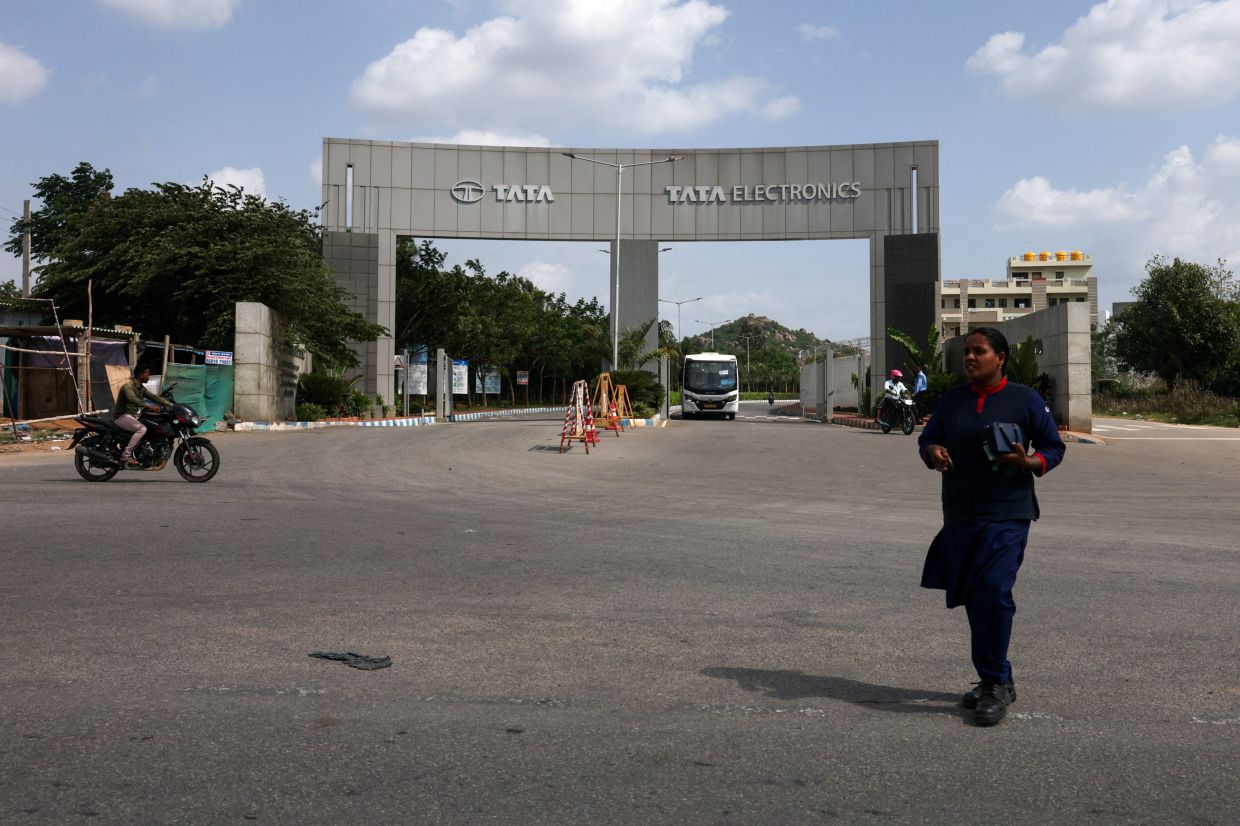
Tata Electronics confirmed on Monday that it had uncovered a significant cyber breach affecting its computer systems, bringing to light a major vulnerability within one of Apple's most critical manufacturing partners in India. The disclosure came after cybersecurity researchers detected that the ransomware group World Leaks had begun publishing what it claims are proprietary component designs and technical specifications belonging to Apple and Tesla, both longstanding clients of the Bangalore-headquartered conglomerate.
The scope of the incident appears substantial, with researchers documenting over 200,000 files totalling more than 630 gigabytes of data made available on dark web servers beyond conventional search engine access. According to Tata Electronics' statement to Reuters, the company identified the breach some weeks prior to public disclosure and moved quickly to deploy emergency response procedures. The manufacturer maintained that operational continuity across all business units remained intact, suggesting that while systems were compromised, manufacturing facilities themselves avoided disruption—a critical distinction for a supplier managing global tech supply chains.
Apple has launched its own investigation into the incident, according to sources close to the matter, with a comprehensive technical assessment already underway. Notably, the company received notification of a ransom demand tied to the breach, though neither Apple nor Tata has publicly detailed the requested amount or responded substantively to the extortion attempt. Neither technology giant has issued official statements acknowledging their involvement or the status of their investigation, maintaining typical corporate silence on active security incidents.
For context, Tata has assumed an increasingly prominent role in Apple's global manufacturing ecosystem as the technology giant diversifies production away from China. The Indian conglomerate now accounts for roughly one-third of iPhone manufacturing in India, a position that reflects New Delhi's broader policy initiative under Prime Minister Narendra Modi to establish the country as a significant electronics manufacturing destination. This expansion carries strategic implications for India's industrial ambitions, but the security breach exposes real vulnerabilities in the infrastructure supporting these initiatives. The incident is not Tata's first major cybersecurity setback, as the group's Jaguar Land Rover subsidiary experienced a significant ransomware attack in the prior year that halted production for six weeks, demonstrating a troubling pattern of vulnerability.
The compromised data reveals the sensitive nature of intellectual property flowing through Tata's facilities. Security researchers who reviewed portions of the posted files identified numerous folders explicitly marked with Apple's proprietary designations, including directories labelled "com.apple.factorydata" alongside materials bearing confidentiality and trade secret notices. One particularly concerning document comprises a 52-page quality inspection standard guide for iPhone circuit board components, the exact type of specifications that competitors or malicious actors could weaponize to circumvent security features or identify manufacturing weaknesses.
Tesla's exposure appears equally serious, with World Leaks publishing materials related to the American manufacturer's automotive components supplied by Tata. A folder labelled "NV36 Chargeport Controller - North America" suggests access to technical documentation for upgraded versions of Tesla's Model Y sport utility vehicle. Even more revealing, researchers discovered what appear to be 2023 documents marked as trade secrets containing schematics for Project Highland, Tesla's internal designation for its redesigned Model 3 sedan—information the company has worked to keep confidential as it prepares major product revisions.
Indian cybersecurity researcher Rajshekhar Rajaharia, who has previously consulted with law enforcement on breach investigations, conducted an independent review of the posted materials and confirmed the breadth of compromised information. Search queries within the World Leaks database returned 181 distinct files and folders bearing Apple references and numerous Tesla-related documents, some timestamped as recently as May 2025, indicating access to current operational data. Beyond technical specifications, the breach encompassed employee communications spanning years, system event logs, and personal documents including passport copies of both Indian and foreign workers at Tata facilities.
The geographic specificity of certain compromised materials underscores how thoroughly the breach penetrated Tata's operations. Files referencing Hosur, the location of Tata's primary iPhone assembly complex in Tamil Nadu state, numbered in the dozens and likely contain sensitive information about workforce management, security protocols, and facility operations. This suggests the breach was not limited to isolated systems but permeated network infrastructure across multiple operational domains, raising questions about the security architecture protecting one of Asia's most strategically important manufacturing facilities.
Tata management briefed employees at its iPhone assembly operations regarding the data breach in recent days, according to industry sources, indicating awareness throughout the organization of the incident's severity and potential consequences. The timing and manner of this internal communication suggest Tata is attempting to manage reputational damage while assessing the full scope of what was accessed and how exposed data might be exploited.
The incident illuminates the escalating sophistication and scale of ransomware operations targeting global supply chains. World Leaks previously claimed responsibility for breaching Nike's systems, establishing a track record of targeting major multinational corporations. The group's decision to release detailed technical specifications rather than merely threatening to do so indicates a calculated strategy to maximize damage to the targeted companies' competitiveness and intellectual property portfolios. For Apple and Tesla, the exposure of proprietary manufacturing processes, component specifications, and internal project codenames represents a tangible threat to competitive advantage in markets where technical innovation commands premium positioning.
India's Computer Emergency Response Team, the government agency responsible for coordinating responses to major cyber incidents, has not yet provided public comment or indicated what support it may offer to the affected companies or Tata itself. This silence leaves open questions about the Indian government's capacity to pursue accountability against international ransomware operations or provide intelligence support to the compromised companies.
The breach arrives amid separate scrutiny of Tata's operations in India, with ongoing environmental concerns surrounding one of its iPhone manufacturing facilities and allegations of farmland contamination affecting neighboring communities. These concurrent challenges threaten to undermine investor confidence in India's electronics manufacturing infrastructure precisely as the government seeks to attract major global manufacturers relocating production from China. For Malaysia and Southeast Asia, where countries compete to attract similar manufacturing investments, the incident serves as a cautionary reminder that rapid expansion of global supply chain infrastructure must be accompanied by proportional investment in cybersecurity capabilities and governance frameworks.

