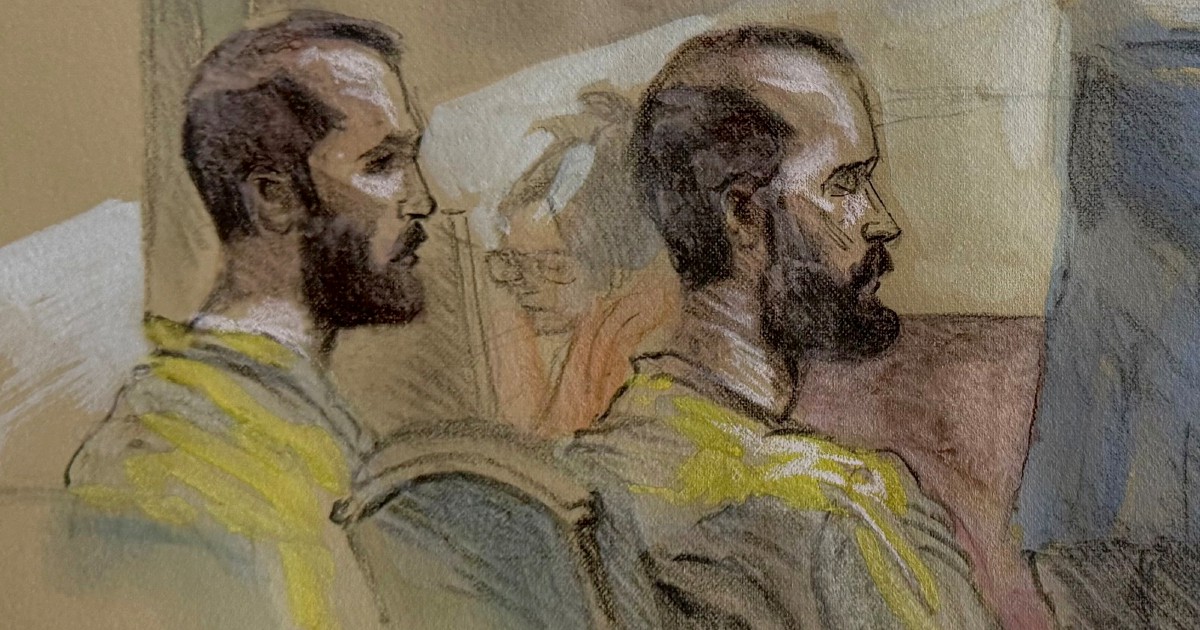
Andrew and Tristan Tate, who gained notoriety as internet personalities and social media influencers, will remain detained at a Miami federal facility as they mount legal challenges to extradition proceedings initiated by British authorities. During a court hearing held Thursday in Miami federal court, Magistrate Judge Lauren Louis chose not to issue an immediate determination on the brothers' petition for release on bail, effectively keeping them in federal custody pending further judicial action. This development marks another setback in their efforts to secure temporary freedom while the extradition process unfolds.
The Tate brothers face serious allegations in the United Kingdom, where they are wanted to answer rape charges. These charges represent significant criminal liability and form the legal foundation for the British government's request that American authorities surrender the two men for prosecution abroad. The nature and gravity of these allegations have likely influenced judicial decisions regarding their detention status throughout the proceedings.
The decision to postpone the bail ruling carries substantial implications for the brothers' immediate circumstances. By declining to rule swiftly, Judge Louis has maintained their current detention status, denying them the possibility of posting bond or meeting other release conditions that might have allowed them to await the resolution of their case outside prison walls. This procedural choice essentially preserves the status quo while the judge deliberates on the more substantial question of whether they should be released pending the outcome of their extradition fight.
Extradition battles between the United States and Britain typically involve complex legal maneuvering, as defence teams challenge the sufficiency of evidence, question the reliability of allegations, and explore procedural irregularities in how charges were brought. The Tate brothers appear committed to resisting the British government's efforts to bring them to trial there, and their legal team has clearly pursued bail as one tactical avenue for improving their circumstances during what could be a lengthy legal contest.
The detention of high-profile individuals in federal custody often attracts media scrutiny, particularly when the accused have previously maintained significant public platforms. The Tate brothers' background as influencers with considerable online followings adds another dimension to their case, as their circumstances receive attention across social media channels and mainstream news outlets internationally. This publicity generates broader public interest beyond the immediate legal questions at stake.
Miami's federal court system has become increasingly familiar with cases involving international extradition requests, given the city's status as a major hub for cross-border legal matters and its geographic proximity to the Caribbean and Latin America. The handling of the Tate case reflects established procedures for adjudicating such matters, though each case presents unique factual and legal circumstances that require individual judicial consideration.
The postponement of Judge Louis's bail decision suggests she may require additional time to review complex legal arguments, evidence submissions, or other materials pertinent to determining whether the brothers' flight risk and danger to the community warrant continued detention. Magistrate judges in the federal system must balance competing interests: protecting the integrity of judicial proceedings, ensuring public safety, and respecting the constitutional rights of individuals awaiting trial or extradition hearings.
For individuals in the Tate brothers' position, the period of detention pending extradition resolution can extend considerably. Should the judge eventually deny bail, they would likely remain incarcerated throughout the entire extradition process, which commonly involves appeals and multiple rounds of legal argument before final resolution. Conversely, if bail were granted with appropriate conditions, they might secure release while their lawyers continue contesting the British government's extradition request.
The case also reflects broader questions about international legal cooperation between the United States and United Kingdom, two nations with extensive formal mechanisms for handling criminal extradition matters. These systems operate under treaties and statutory frameworks designed to facilitate the prosecution of serious crimes across borders while maintaining protections for individuals' legal rights and due process interests.
From a regional Southeast Asian perspective, the Tate case underscores how individuals with global online followings and international activities may find themselves entangled in complex jurisdictional disputes spanning multiple countries. The case also highlights the enforceability of criminal charges across borders and the willingness of authorities in developed nations to pursue extradition aggressively when serious allegations arise, regardless of where the accused currently reside.
As the brothers await Judge Louis's ruling, their defence team will likely continue crafting arguments for bail consideration, potentially addressing flight risk concerns, proposing residence conditions, and challenging the sufficiency of evidence underpinning the British charges. The judge's eventual decision will prove consequential for the brothers' immediate welfare and will shape the practical circumstances under which they contest the extradition proceedings that could ultimately determine their prosecution venue and outcome.

