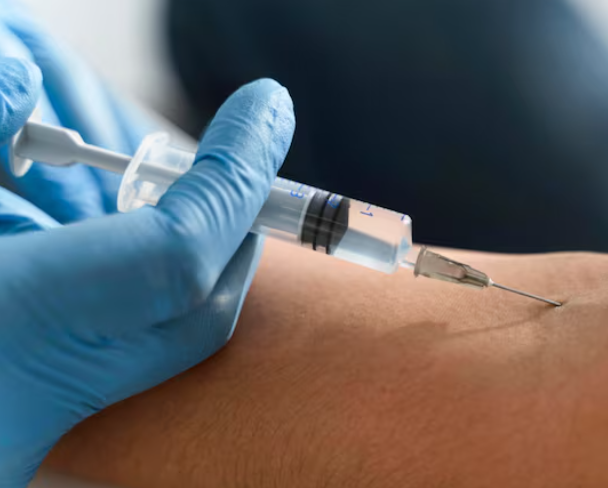
A 32-year-old nurse employed at a private hospital in Telangana's Nizamabad district has been taken into custody on suspicion of murdering her husband through the deliberate injection of corrosive toilet cleaning liquid mixed with crushed sedatives into his bloodstream via an intravenous cannula. The accused, identified as Sandhya, allegedly carried out the fatal injection on June 30, targeting her 35-year-old spouse Dayini Prashanth, who had been recovering from what authorities now believe was an orchestrated earlier attempt on his life.
The case unfolded following a complaint lodged by Prashanth's mother, who harboured serious doubts regarding the circumstances surrounding her son's death and prompted police investigators to scrutinise the official narrative. The investigation subsequently revealed a disturbing sequence of events spanning three days, during which Sandhya allegedly conspired with two accomplices—a man named Anil, also 35, and his associate Venkat Sai, known locally as Bunty—to eliminate her husband.
According to police statements, Sandhya's primary motivation stemmed from her desire to continue an extramarital relationship with Anil without impediment. The situation escalated when Prashanth, who had been working abroad in the Gulf region for the preceding two years, returned to India on June 27 and made the consequential decision to remain in the country rather than resume employment overseas. This unexpected development directly threatened Sandhya's ability to maintain her illicit affair, transforming her husband into what she perceived as an obstacle requiring removal.
The conspirators executed their initial plan on June 29 when Sai visited the family residence and deliberately intoxicated Prashanth with excessive quantities of alcohol. Under instructions relayed by Sandhya via telephone, Sai subsequently escorted the heavily inebriated man to the building's terrace and pushed him off the structure. The fall resulted in severe injuries, yet remarkably, Prashanth survived the traumatic plunge. In a calculated display of manipulation, Sandhya convinced her injured husband that the fall had been accidental, attributing it entirely to his intoxicated state, and secured his admission to a government medical facility for treatment.
Following his discharge from the government hospital, the family transferred Prashanth to a private hospital before bringing him home to continue recovery. This transition proved fatal. Exploiting her professional qualifications as a trained nurse, Sandhya established a pretext for administering intravenous fluids at their residence. On June 30, she injected a lethal concoction of toilet cleaning agents and pulverised sleeping medications directly into the IV cannula, delivering the toxic mixture straight into her husband's circulatory system. She then forcibly pushed him from the cot, actions that culminated in his death.
Initially, Sandhya made determined efforts to present her husband's demise as a tragic consequence of his health deteriorating following the earlier terrace incident. However, her narrative unravelled when Prashanth's mother, maintaining separate residence, became suspicious of the official account and filed a formal complaint with authorities. This maternal vigilance proved instrumental in triggering the criminal investigation that ultimately exposed the premeditated nature of the killing.
The case reflects a troubling pattern wherein access to medical knowledge and healthcare settings created opportunity for harm. Sandhya's nursing background equipped her with both understanding of how to administer substances through medical equipment and sufficient credibility to justify her presence administering home care to a supposedly recovering patient. The manipulation of the initial fall as an accident, combined with the gradual escalation of medical intervention under the guise of legitimate treatment, demonstrates deliberate deception designed to avoid suspicion.
For Maharashtra and Southeast Asian jurisdictions more broadly, the case underscores vulnerabilities within home healthcare arrangements and the potential exploitation of professional credentials. The tragedy also highlights the critical importance of family members maintaining vigilance when loved ones undergo unexpected medical crises, particularly when alternative explanations exist for sudden deterioration in health. Prashanth's mother's decision to question circumstances that others might have accepted as natural outcomes of injury proved lifesaving for the pursuit of justice, even if posthumously.
The incident further illuminates how domestic disputes involving extramarital relationships can escalate into scenarios of lethal violence, with medical access serving as an instrument of harm. Police investigations in such cases require particular attention to the timing of health emergencies, the identity of primary caregivers, and motivations that extend beyond financial gain or property disputes to encompass relationship complications.

