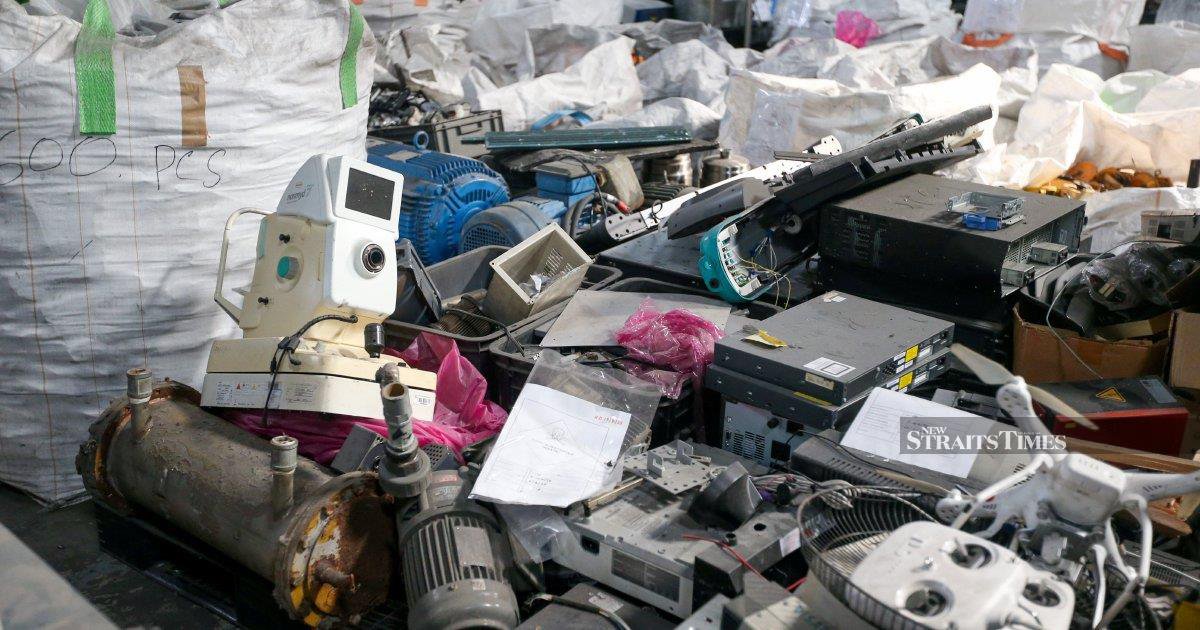
A significant law enforcement operation has unfolded in Malaysia with the detention of ten General Operations Force personnel as part of an ongoing investigation into alleged extortion activities targeting an electronic waste processing facility located in Tasek Gelugor, Penang. The arrests represent a serious development in a case that raises troubling questions about accountability within paramilitary ranks and the vulnerability of industrial operators to abuse of authority.
The General Operations Force, Malaysia's primary paramilitary police unit, has long maintained responsibility for border security and internal operations across the country. The involvement of ten GOF members in extortion allegations marks a notable breach of institutional trust, particularly given the force's mandated role in maintaining public order and protecting legitimate business operations. Such cases have become increasingly important to Malaysian authorities seeking to maintain integrity within security and enforcement agencies.
E-waste processing facilities represent a critical component of Malaysia's circular economy infrastructure, handling the recycling and proper disposal of electronic components that might otherwise pose environmental hazards. The Tasek Gelugor industrial area in Penang has developed as a significant manufacturing and processing hub, making it an important economic zone for the state. When such facilities face intimidation or extortion, the consequences extend beyond individual business operations to affect broader supply chains and investor confidence in the region's industrial sector.
Extortion cases involving law enforcement personnel present particular challenges for the justice system, as they undermine public confidence in institutions designed to uphold the rule of law. The investigations signal that Malaysian authorities are taking seriously allegations of misconduct within their own ranks, a necessary step for maintaining institutional credibility. The detention of ten officers suggests a coordinated operation, implying that the alleged extortion may have been systematic rather than isolated incidents of individual malfeasance.
For Penang's business community and industrial operators, such allegations carry significant implications. Companies investing in manufacturing, recycling, and processing facilities depend on a stable regulatory environment and protection from unlawful interference. When enforcement personnel allegedly exploit their authority, it creates genuine security risks that extend beyond physical threats to include legal and financial uncertainty. The case will likely prompt a broader review of operational procedures within relevant agencies.
The detention of these personnel also reflects Malaysia's ongoing efforts to strengthen internal discipline and accountability mechanisms across public institutions. In recent years, the country has witnessed increased scrutiny of police and paramilitary conduct, with several high-profile cases involving officer misconduct resulting in significant consequences. This trajectory suggests a gradual shift toward more rigorous oversight, though questions remain about whether systemic reforms have progressed sufficiently to prevent such incidents.
The investigation will necessarily examine the operational practices within the e-waste facility, the interactions between GOF personnel and factory management, and the nature of any demands allegedly made. Understanding the mechanisms through which the extortion occurred is essential not only for prosecuting those involved but also for implementing safeguards against similar conduct elsewhere. The case may reveal systemic vulnerabilities in how businesses report and address such incidents.
For Malaysia's manufacturing and recycling sectors, particularly in Penang, the outcome of this investigation will carry considerable weight. The state has positioned itself as a centre for sustainable industrial practices and electronics recycling, attracting companies with concerns about environmental compliance. Allegations of official harassment could potentially deter investment or prompt companies to relocate to jurisdictions perceived as offering greater protection against institutional misconduct.
The broader Southeast Asian context adds another dimension to these developments. As nations in the region increasingly compete for foreign direct investment in technology and manufacturing sectors, incidents involving official misconduct can influence international perceptions of operating environments. Countries that demonstrate robust mechanisms for addressing such allegations maintain competitive advantages in attracting quality investors seeking regulatory predictability and institutional stability.
Investigative authorities will be tasked with establishing the specific allegations against each detained officer, determining whether involvement was direct or peripheral, and identifying any organisational failures that may have permitted such conduct to occur. The comprehensiveness of these investigations will substantially influence public perception of the response and the credibility of subsequent judicial proceedings.
As the investigation progresses, attention will also focus on compensation or remedies available to the affected business and the measures authorities implement to prevent recurrence. Clear protocols establishing proper channels for complaints against enforcement personnel, transparent investigation procedures, and meaningful consequences for substantiated misconduct are essential components of institutional reform. The ultimate test of Malaysia's commitment to accountability lies not merely in prosecuting offenders but in implementing systematic changes that reduce opportunities for similar abuses.
The detained personnel will undergo formal interrogation to establish facts surrounding the allegations and their respective roles in any alleged conduct. The evidence gathered during this phase will determine whether criminal charges are pursued and at what level of culpability individual officers face potential prosecution. For the e-waste processing facility, cooperation with investigators and documentation of losses or damages incurred will be crucial in supporting any civil remedies sought through the courts.

