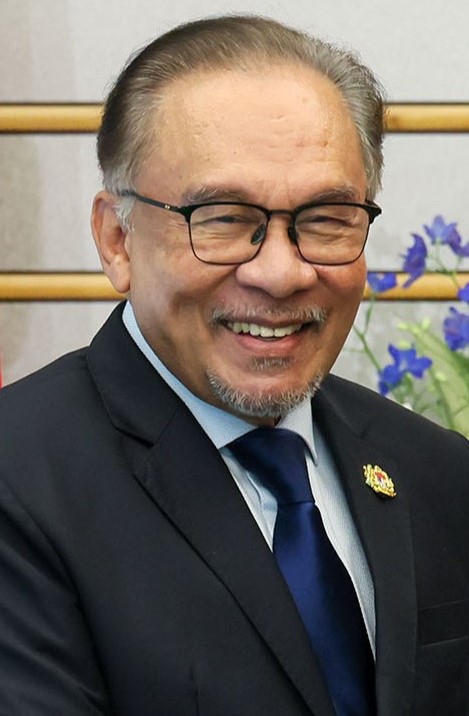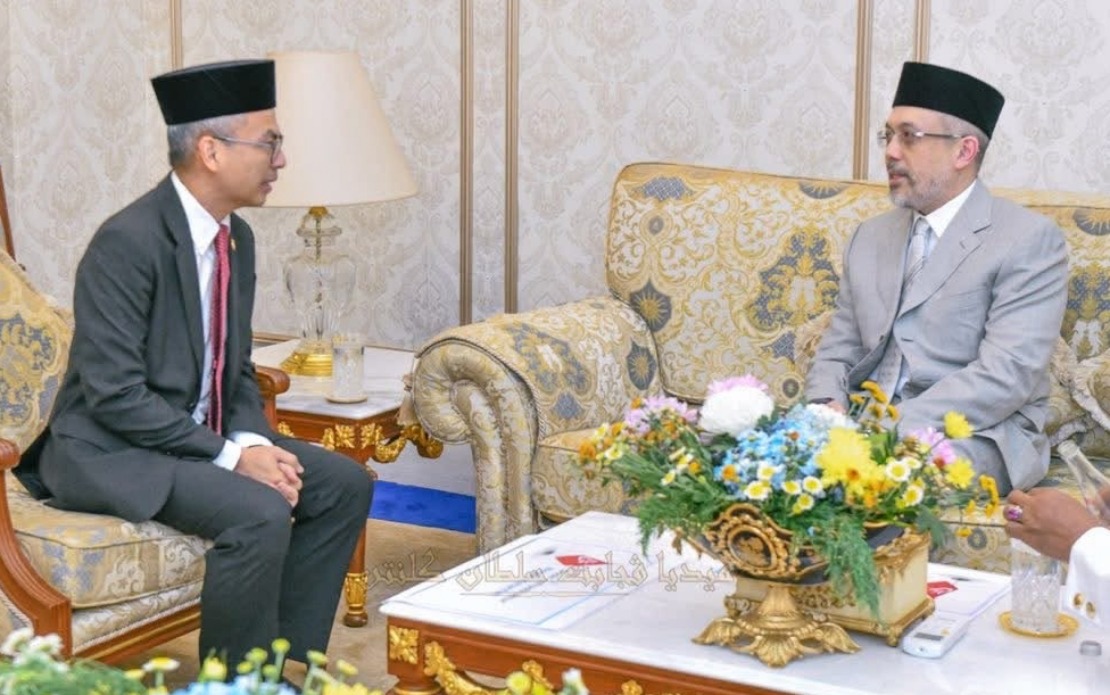
The Crown Prince of Kelantan, Tengku Muhammad Fakhry Petra, received Communications Minister Datuk Fahmi Fadzil at Kota Lama Palace in Kota Bharu on June 16, underscoring the importance officials place on addressing the persistent challenge of misinformation and fraudulent online activity affecting public discourse and institutions across Malaysia. The formal audience, which convened at 5 pm and extended for approximately one hour, represented a direct engagement between the state's senior royal administration and federal leadership responsible for regulating the media and communications landscape.
According to a statement issued by the Kelantan Sultan's Media Office, the principal objective of the meeting centred on acquainting His Highness with recent developments and findings concerning the operational mandate of the Ministry of Communications. This briefing framework reflected the broader institutional awareness that challenges within the digital sphere demand coordinated attention from both state and federal authorities, particularly when public trust and constitutional elements are at stake.
The agenda deliberately prioritised contemporary concerns that have escalated dramatically across Malaysia's social media ecosystem. Misinformation and the proliferation of inauthentic accounts represent two interconnected problems that increasingly occupy policymakers' attention, as false narratives spread with remarkable velocity and create tangible consequences for public understanding and institutional credibility. The discussions pointedly addressed defamatory and misleading content specifically targeting the Malaysian Royal Institution, indicating that threats to constitutional symbols and national unity remain priority concerns for government communicators.
The pervasiveness of fake accounts on platforms such as Facebook, Instagram, TikTok, and X has grown into a national governance challenge, enabling coordinated campaigns to disseminate disinformation with minimal accountability. These inauthentic networks frequently amplify divisive narratives, manipulate public sentiment, and occasionally incite communal tension by propagating content designed to undermine trust in established institutions. For Malaysia, where constitutional stability depends partly on public respect for the monarchy, this category of online abuse represents more than mere platform moderation; it touches core questions of national cohesion and institutional legitimacy.
The false news component discussed during the audience carries particular resonance in Southeast Asia, where misinformation has demonstrably influenced electoral outcomes, community relations, and public health responses. Malaysia's experience with coordinated disinformation campaigns—spanning election periods, religious sensitivities, and matters of national security—has exposed vulnerabilities in how digital falsehoods can circumvent traditional institutional gatekeepers. By engaging directly with senior royal leadership, the Communications Ministry signalled that addressing these phenomena requires collaboration across multiple governance layers, not merely technocratic solutions or platform-level responses.
Minister Fahmi's delegation included MohamadAsif Afifi Mohd Yusof, Senior Private Secretary to the Communications Minister, alongside Ahmad Afifi Hamdan Tuan Aziz, the ministerial accompanying officer, and additional office staff. This composition reflected the substantive nature of the engagement, suggesting that detailed technical and policy discussions informed the session rather than a purely ceremonial encounter. The parallel attendance of senior officials from the Kelantan Sultan's Office underscored reciprocal institutional investment in resolving these shared challenges.
The presentation of a memento by Minister Fahmi to the Crown Prince followed customary diplomatic protocol, acknowledging both the significance of the discussion and the respect warranted by the royal recipient. This gesture, modest in itself, carried symbolic weight reflecting the formal recognition that communications policy and digital governance cannot be addressed in isolation from Malaysia's constitutional framework and the paramount position of the monarchy within that framework.
The subsequent informal engagement, including a meet-and-greet session and photography opportunity with attendees, allowed for more relaxed discussion and demonstrated the collaborative spirit underlying the official business. Such interactions, while less prominent than formal presentations, often facilitate the personal rapport necessary for sustained inter-institutional cooperation on complex policy matters affecting multiple jurisdictions and constituencies.
For Malaysian readers and observers across Southeast Asia, this meeting exemplifies how regional democracies increasingly grapple with digital governance questions that blur traditional boundaries between national security, constitutional protection, public order, and free expression. The challenge of distinguishing legitimate political speech from malicious disinformation, while respecting fundamental freedoms, remains contested terrain in which governments, platforms, civil society, and citizens hold divergent perspectives and interests.
The Kelantan palace audience signals that state-level authorities recognise their stake in federal communications policy, particularly when digital threats target revered institutions. This coordination may establish foundations for more integrated approaches to combating coordinated inauthentic behaviour, though translating political will into effective interventions requires overcoming substantial technical, legal, and enforcement obstacles that extend beyond any single ministry's mandate.
Moving forward, the outcomes of such high-level discussions will likely influence how Malaysia calibrates its regulatory stance toward social media platforms, shapes its digital literacy initiatives, and develops institutional capacities for identifying and countering misinformation at scale. The conversation between the Crown Prince and Communications Minister represents an important acknowledgment that digital governance demands sustained attention from leadership across Malaysia's institutional structures.